Storyboard vs. Animatic: What’s The Real Difference?
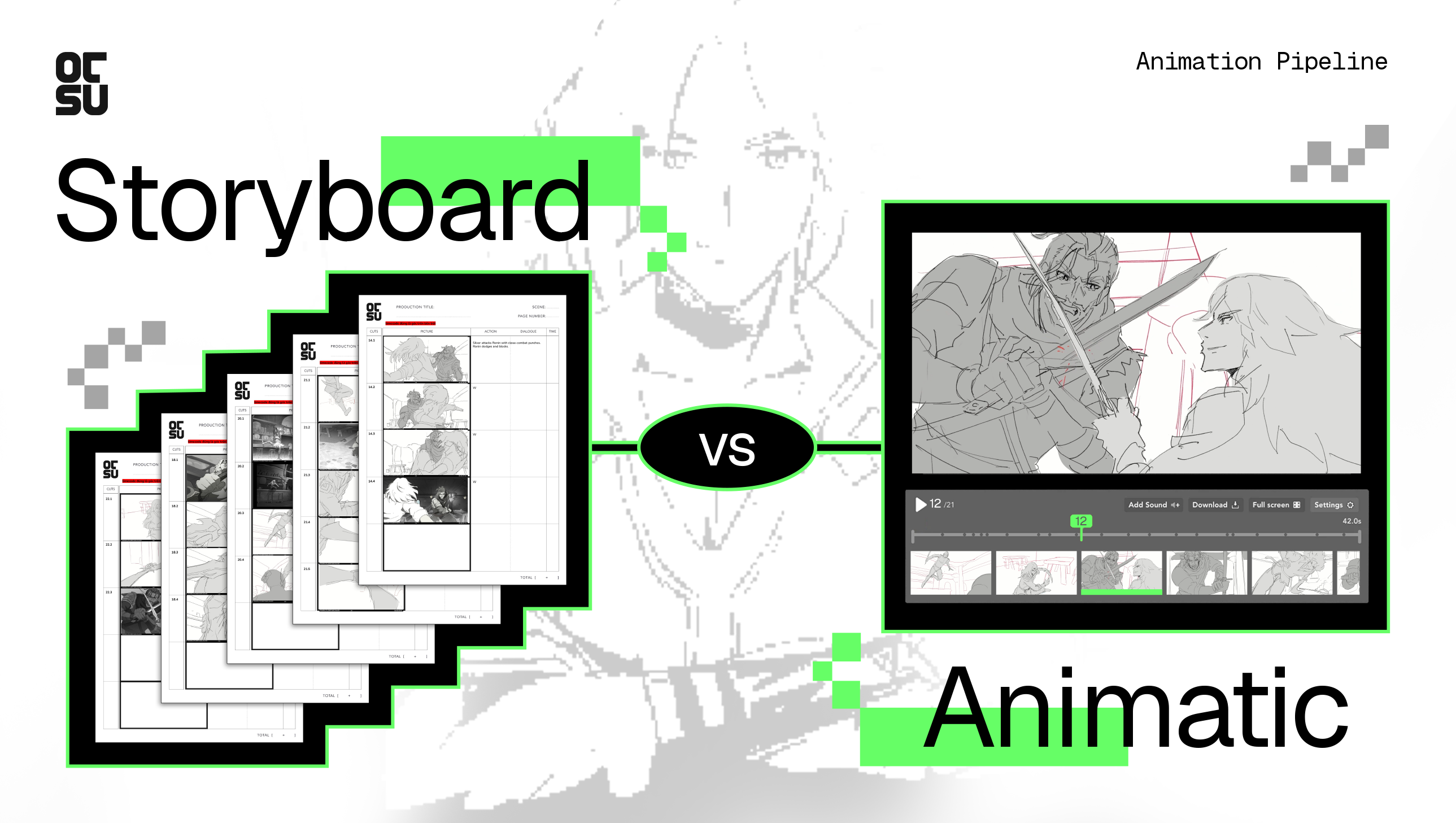
We find this interesting: Japanese studios can build an entire episode straight from a storyboard, while Western studios treat the animatic as a must. If storyboard and animatic look almost the same, why even have two terms? As it turns out, the difference comes down to intent.
What Is a Storyboard?
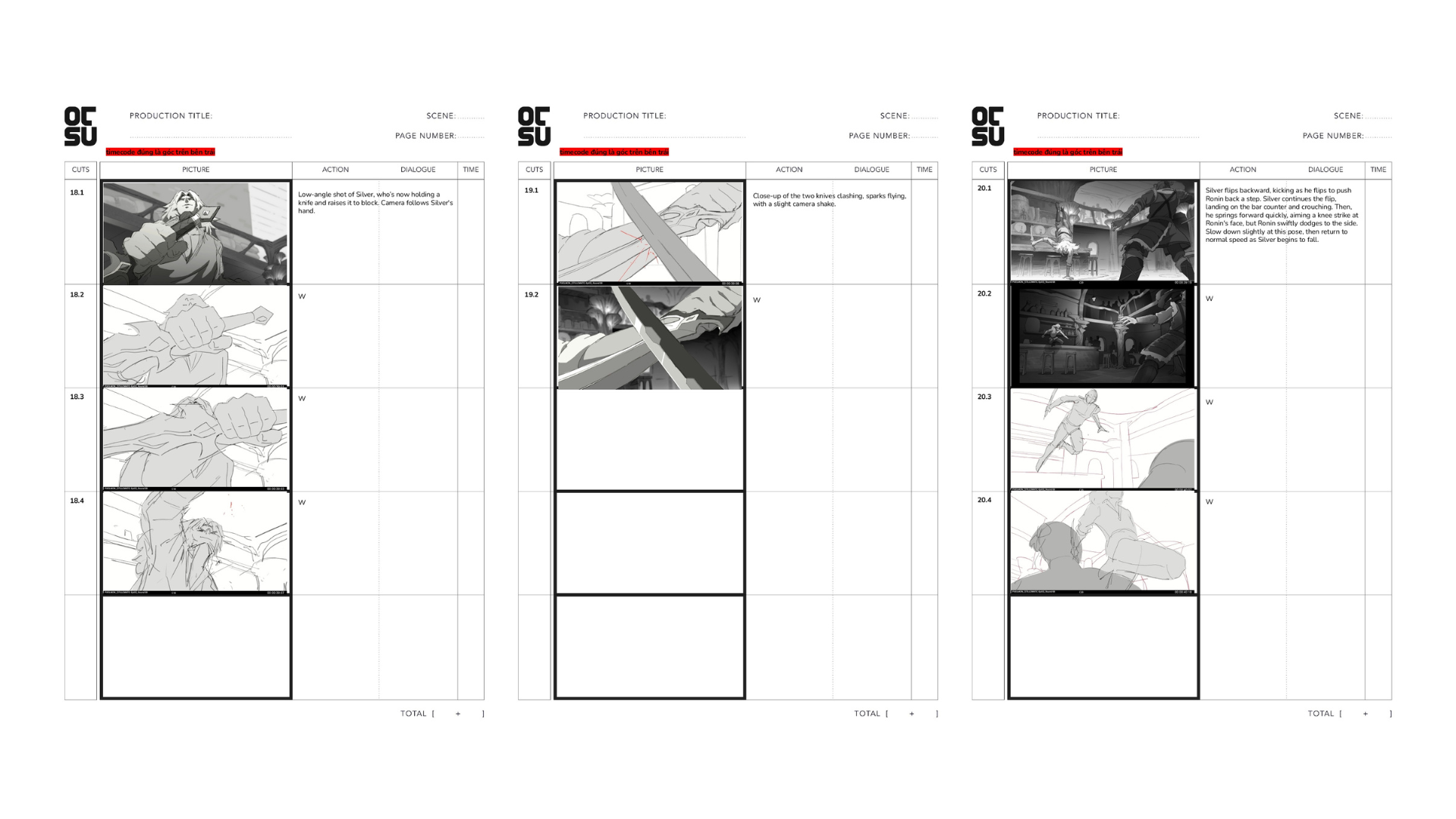
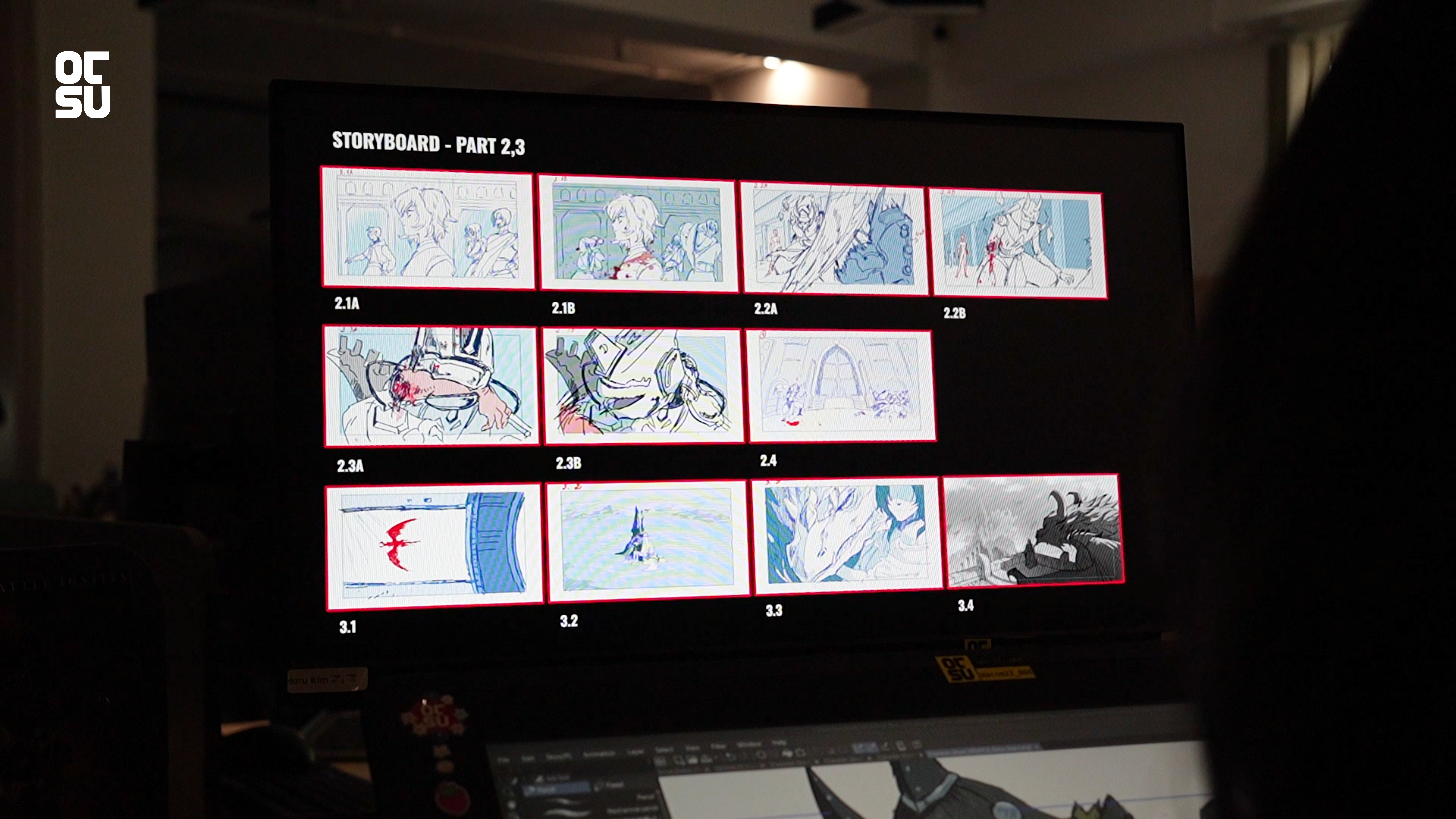
A storyboard is a sequence of drawings that shows what the audience will see and how an animation will play out.
Storyboards are drawn on A4 paper (generally) and contain most of the vital things to define how a cut is going to be animated: the cut numbers, character movements, camera movements, the dialogue (taken from the screenplay or script) and the length of each cut in terms of seconds and frames.
- In-charged role: Director, Storyboard artist
For short form animations (i.e. animated commercials), often the storyboard is created by the director. This means it is truly the vision of that director. But usually, mainly in TV series, separate storyboard artists are used to actually draw them and the director works along to make sure the vision is aligned.
What Is an Animatic?
An animatic is a video created by playing a series of images in order with detailed movements and timing on each frame. In essence, it’s an animated storyboard.
Animatics are a quick and easy way to get a sense of pace and emotion for the story for the first time. This is where you catch timing problems before they’re animated, too.
- In-charged role: Director, Animation Director
The animation director is the person in charge here. An animatic maps out motion in far more detail than a storyboard, especially for action sequences. So it’s precise enough for animators to work straight off it, which takes a more senior eye to get right.
Storyboard/Animatics in Pre-production
Pre-production is the multi-stage process that happens before an animation comes to life. Animatics are made after storyboarding, but before the concept phase - when the director defines pace, tone and story flow for the team to follow.
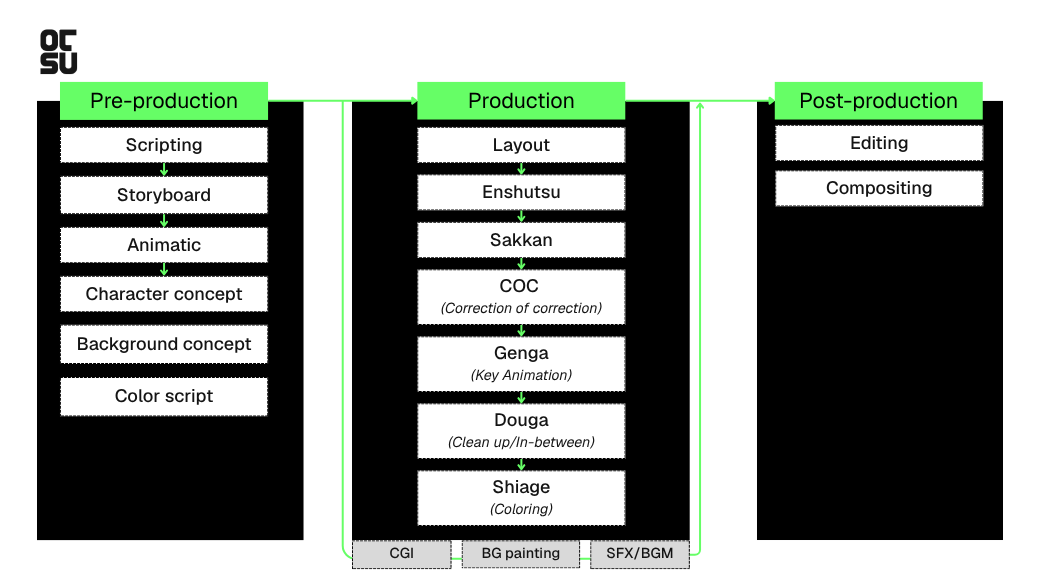
Note: Director uses animatics to preview pacing, voiceover and sound before committing design time. Whether they’re pitching a concept or reviewing story flow with a client, an animatic helps everyone see the same picture early.
Storyboard vs. Animatic: What’s The Difference?
Although animatics and storyboards share the same images, there are some fundamental differences between the two:
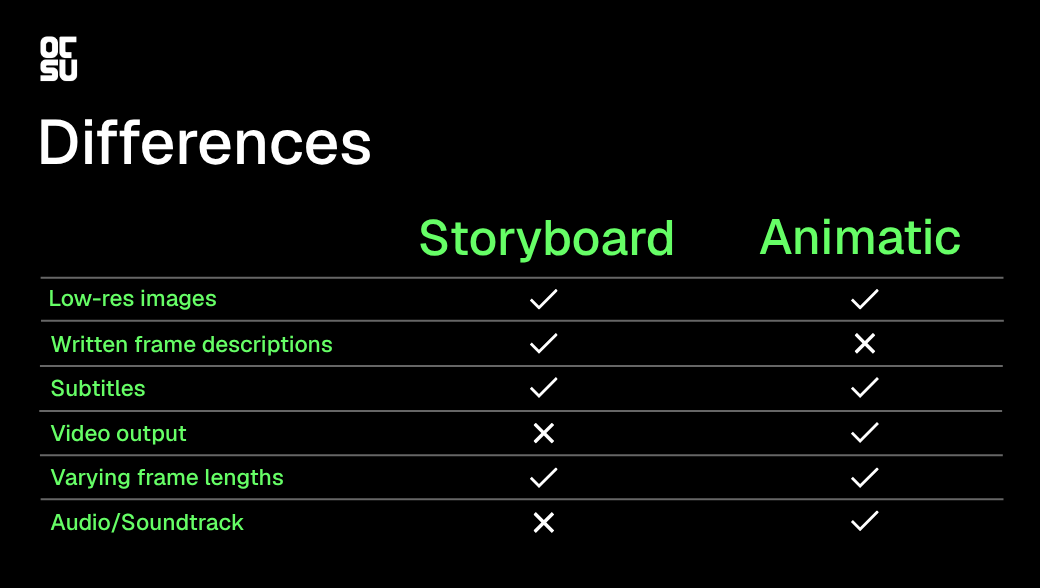
- Low-resolution images: Both use rough sketches as the layouts are handled by other artists later in production. The sketch only needs to show what’s happening, e.g. how a character moves from point A to point B.
- Written frame descriptions: A storyboard has a written column noting character and camera movement. An animatic has the movement already visible in the timed footage.
- Subtitles: An animatic usually includes subtitles so that we can spot “what are the characters saying” before real dialogue is recorded. A storyboard doesn’t need this as the dialogue is already printed on the sheet.
- Video output: An animatic is a video file that plays back in real time. A storyboard is a static document - sheets or slides.
- Varying frame lengths: A storyboard notes each cut’s length as an estimate (in seconds and frames) leaving some room for the artist to round. An animatic locks every frame to an exact length the animator has to match precisely.
- Audio/Soundtrack: An animatic is cut together with a temp audio track - voice, sound effects, sometimes music. A storyboard notes them only as text.
How Long Does a Storyboard/Animatic Take?
Animation production timelines scale with format.
For a normal-length TV anime episode, storyboarding alone usually takes around 3 weeks (an industry-wide estimate), since it depends heavily on episode length and how much action is in it.
For shorter-form work, the numbers get more concrete. Take the animation we made in Nova Thera: Battle Of Honor as an example. On a 2-minute long, storyboarding took 6 days and the animatic that followed took another 13 days. That’s roughly 3x the time for the animatic, which tracks, since it involves cutting footage together, timing every frame precisely and syncing audio, instead of just sketching and annotating.
So, don’t assume the animatic is a quick add-on step. On a short project, it can easily take longer than the storyboard itself.
When To Use Storyboards or Animatics?
A storyboard is always required, pretty much regardless of format. An animatic is worth building when an animation has a lot of action that needs clear planning around pace and timing. So literally you can skip the animatic when the story is simple enough that the storyboard already makes the pacing clear.
Apart from storyboards and animatics, you may see some other animation pipelines using a term of stillomatic. Simply put, it is a storyboard with a timing element added to each frame, but without the detail of a full animatic. Camera moves and action stay as static held frames instead of being shown in motion.
Japanese vs. Western: Two Different Approaches
Given how useful animatics can be, it’s worth asking why not every studio uses them the same way, in case they’re producing almost the same animation project. Walk into most Japanese anime studios and you’ll find teams that stop at the storyboard stage. Walk into most Western animation studios and animatics are treated as a mandatory checkpoint.
Neither approach is wrong. They’re built around fundamentally different production models.
The Japanese Approach: Limited Animation & Director-Led Flexibility
Japanese anime relies on limited animation techniques and works with lower per-episode budgets (i.e. Jujutsu Kaisen runs at around $150,000 an episode). The production process centers on the director and key animators shaping the final movement directly, rather than following a rigid storyboard. This means Japanese animators often wear multiple hats and the director’s vision drives changes through to the end.
This can also be seen as an opportunity for fellow artists since the storyboards are made roughly so that they can use their drawing skills and imagination to enhance the movement.
The Western Approach: Detailed Animatics & Bigger Budgets
Western studios usually work with much higher budgets (i.e. Invincible runs at around $2.5 million an episode) and voice acting recorded before animation. This is where the animatic becomes essential. It locks in a timeline that animation then has to match exactly. Once approved, any deviation from it is treated as a production issue, not a creative choice.
This difference is also why Anime and Western animation look the way they do. A more fluid, frame-by-frame “flickering” look in Anime versus the polished, layout-heavy style in the West.
Which One Does Your Animation Need?
Quick way to check what your animated show needs:
- Simple, dialogue-driven, low action → Storyboard only.
- Heavy action, fight scenes, or tight choreography → Storyboard + animatic.
A storyboard is close to mandatory, no matter the project. An animatic is worth adding when pacing and timing matter enough to plan out in detail beforehand. Either way, both exist to do the same job: get everyone on the team looking at the same picture before real production time gets spent.
Read this far and you should have a clearer picture of when to use a storyboard, an animatic, or both. Whether you’re in this animation field or not, this breakdown will help you communicate better with your production partners.
And if you don’t have a team in mind yet, we’re always up for a chat. Contact us here.
What’s the difference between a storyboard and an animatic?
A storyboard is a set of still images with written notes on action, camera and timing. An animatic is a video built from those images with exact timing and detailed movements.
Do I need both?
A storyboard is required for most animations. An animatic is only worth adding when a scene has heavy action or tight timing to plan out.
How long does a storyboard or animatic take to make?
It depends on the length of the show and how much action is in it. Usually the animatic takes longer than the storyboard itself.
What is a stillomatic?
It’s a video made of still images from storyboards but added a running time bar.
Who’s responsible for making each one?
Storyboard artists build the storyboard. Animation directors build the animatic.
Why do Japanese anime studios only have storyboards?
Anime production runs on tight per-episode budgets and leans on the director & key animators to shape movement directly during animation, rather than locking it in beforehand.