How Long Does It Take to Become an Anime Animator? The Reality Inside Japan's Studios
General "become an animator" advice skips almost everything specific to how anime studios actually hire and train people. To become an anime animator in Japan involves one mandatory starting point, a pay reality most guides skip and a language requirement most Western guides never mention. Here's what the data says.
THE ENTRY POINT ALMOST NOBODY SKIPS: DOUGA
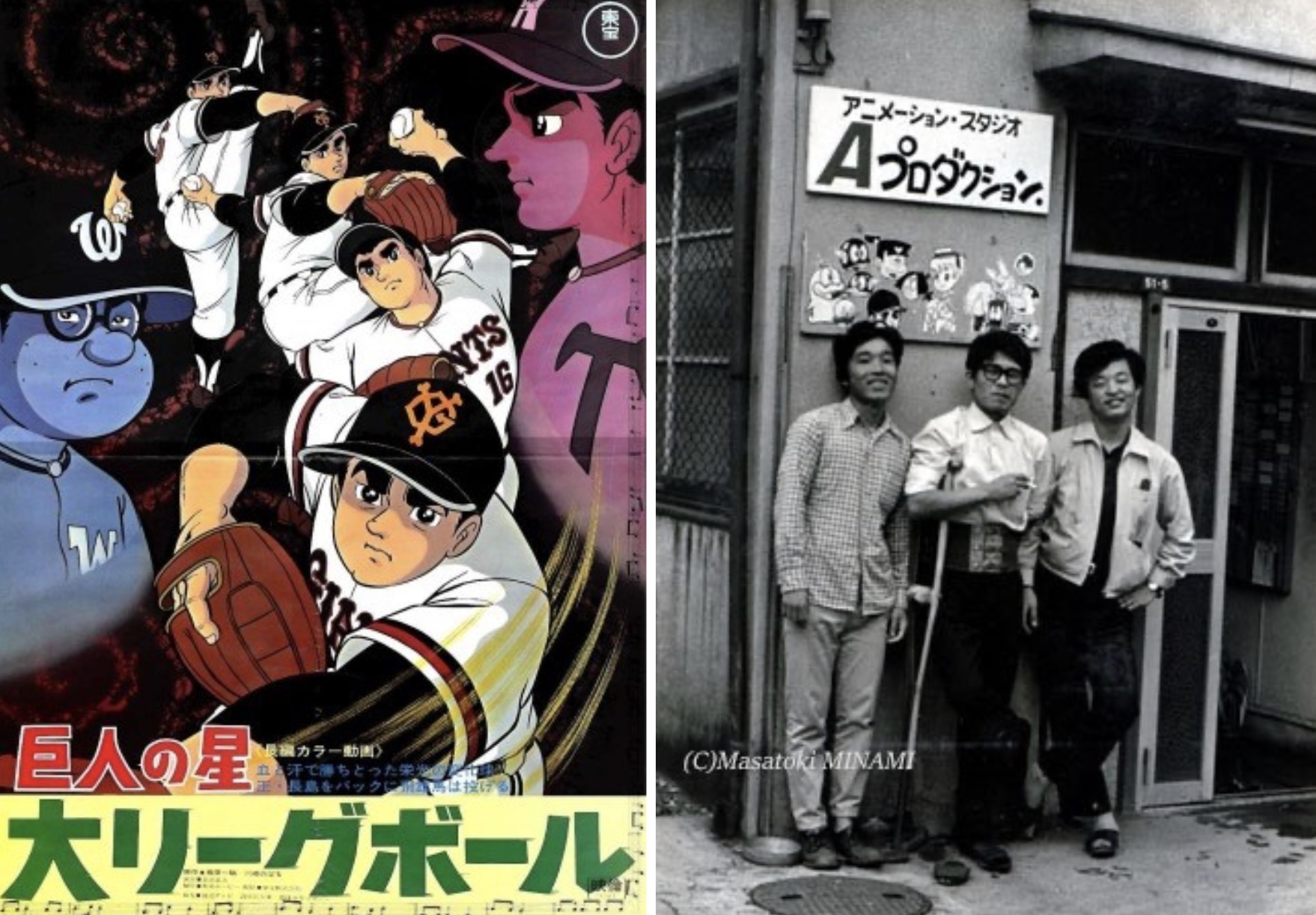
Almost everyone who wants to become an anime animator inside a Japanese studio starts at douga stage - in-between animation. It's repetitive by design: drawing the frames that connect one key pose to the next, over and over. It's the industry's training ground, not a detour.
This differs from the West, where a strong portfolio can place you directly into character work. In Japan, becoming an anime animator rarely skips in-betweening - it's where fundamentals like line control and weight actually get built.
THE REALISTIC TIMELINE: DOUGA TO GENGA
No formal survey publishes an average number of years for this promotion - it's a supervisor's judgment call, not a fixed milestone. Real, dated cases are more useful than a guess.
Animator Kenta Yokoya started as an in-betweener in 2007, worked on Soul Eater (2008) and Fullmetal Alchemist: Brotherhood (2009 - 2010), then got paired on more demanding work on Star Driver (2010) - roughly 3 years to a visible step up. On the fast extreme, animator Daiichiro Kusube reportedly moved to key animation after just 3 months. But every account calls this a rare exception, not something to plan around.
The honest range: a few years for most people, faster only for those who show unusual skill early.
THE FAST TRACK: A 6-MONTH ACADEMY
Not every path is informal on-the-job learning anymore. Netflix's WIT Animator Academy offers free training plus a stipend over a 6-month course focused on in-between art. WIT Studio's president, George Wada, compared it to culinary training: apprenticing the traditional way can take years, while a structured academy compresses the same fundamentals into a fraction of the time.
Programs like this are still rare, but they prove the path to become an anime animator can shrink significantly with real structured mentorship - without skipping douga.
THE PAY REALITY NOBODY MENTIONS
This is the part most guides skip and it matters if you're deciding whether to become an anime animator in Japan specifically.
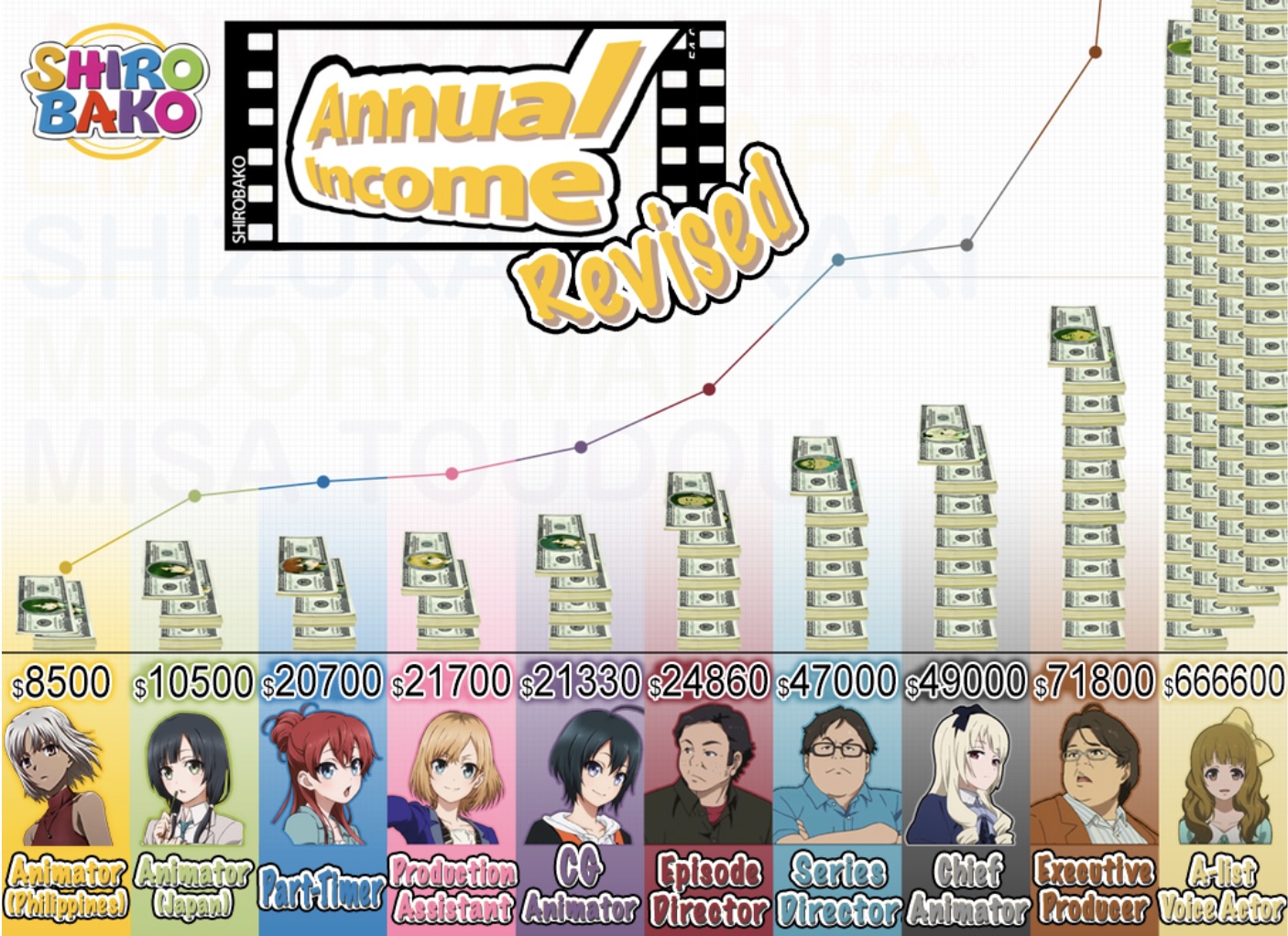
A 2019 JAniCA survey put mean annual income for 20-to-24-year-olds in the anime industry at roughly ¥1,550,000(~$14,000) - about ¥1 million below Japan's national average for that age group. Older JAniCA data found new in-betweeners averaging closer to ¥1,110,000 a year, with some first-year pay under ¥30,000 a month. More recent 2026 reporting found salaried entry-level roles at some studios closer to ¥2.4 - 2.88 million a year ($15,500–$18,600) - livable, but not a premium for the skill involved.
Part of the reason: an estimated 50 - 70% of anime production workers are freelance, versus 7.6% of Japan's overall workforce. This isn't meant to discourage anyone - just to replace guesswork with the real number.
DO YOU NEED TO SPEAK JAPANESE?
For studio work physically based in Japan, proficiency around JLPT N2 level is a common practical requirement, since production runs in Japanese. Most Western "become an animator" advice never mentions this barrier.
But anime has gone global. Studios producing anime-style work now exist well outside Japan - Otsu Labs included and modern translation tools make cross-language production genuinely workable. Becoming an anime animator increasingly means learning the craft itself: timing, on-model consistency, storytelling and applying it wherever a studio is building anime-style work, not necessarily in Tokyo.
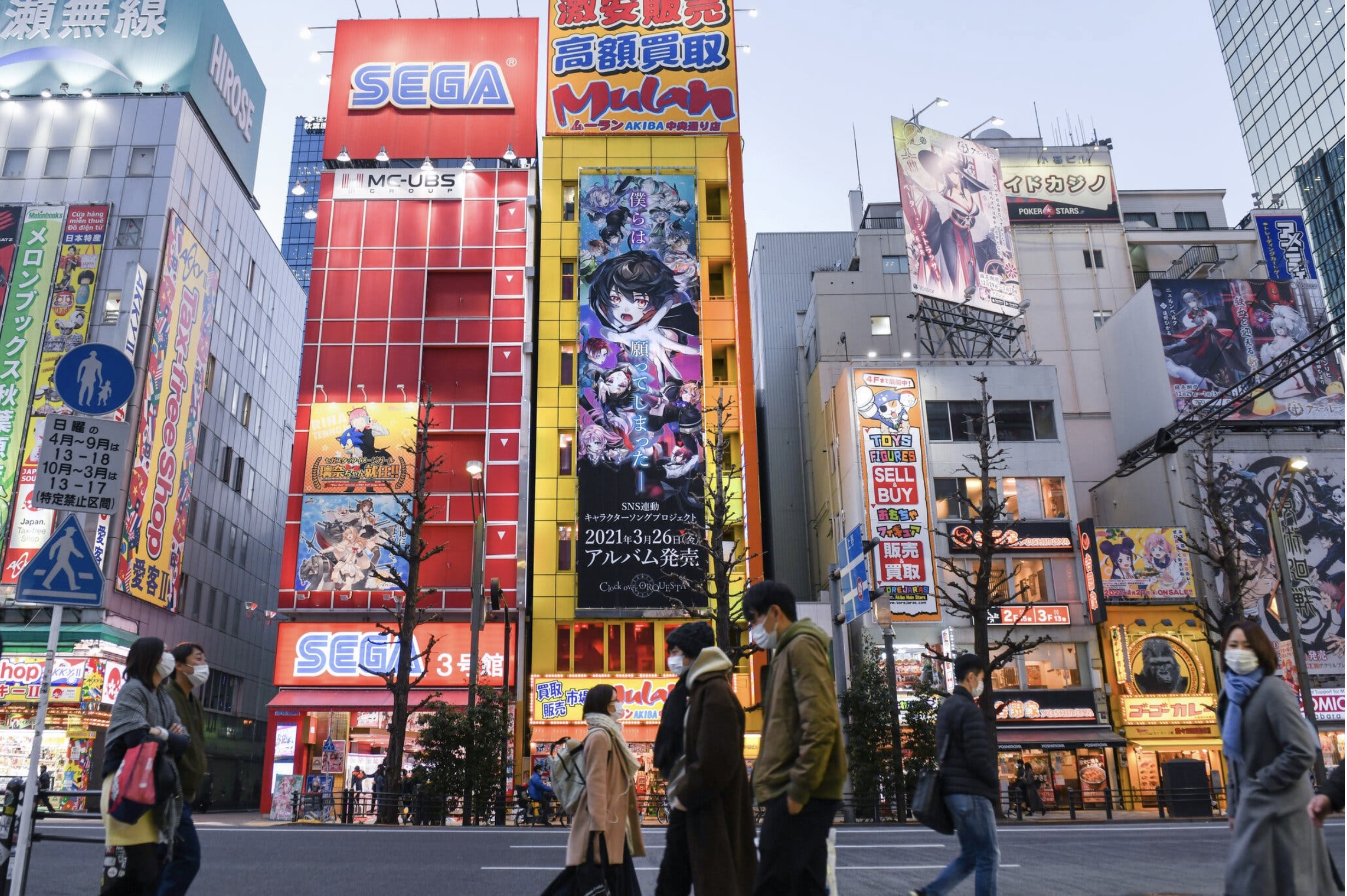
NOT EVERY PATH RUNS THROUGH DRAWING
It's not unusual in Japan for directors to come from a production progress or photography background rather than drawing at all. Directing involves as much project coordination as visual judgment, which is why this non-drawing path to leadership exists here in a way it rarely does in Western studios.
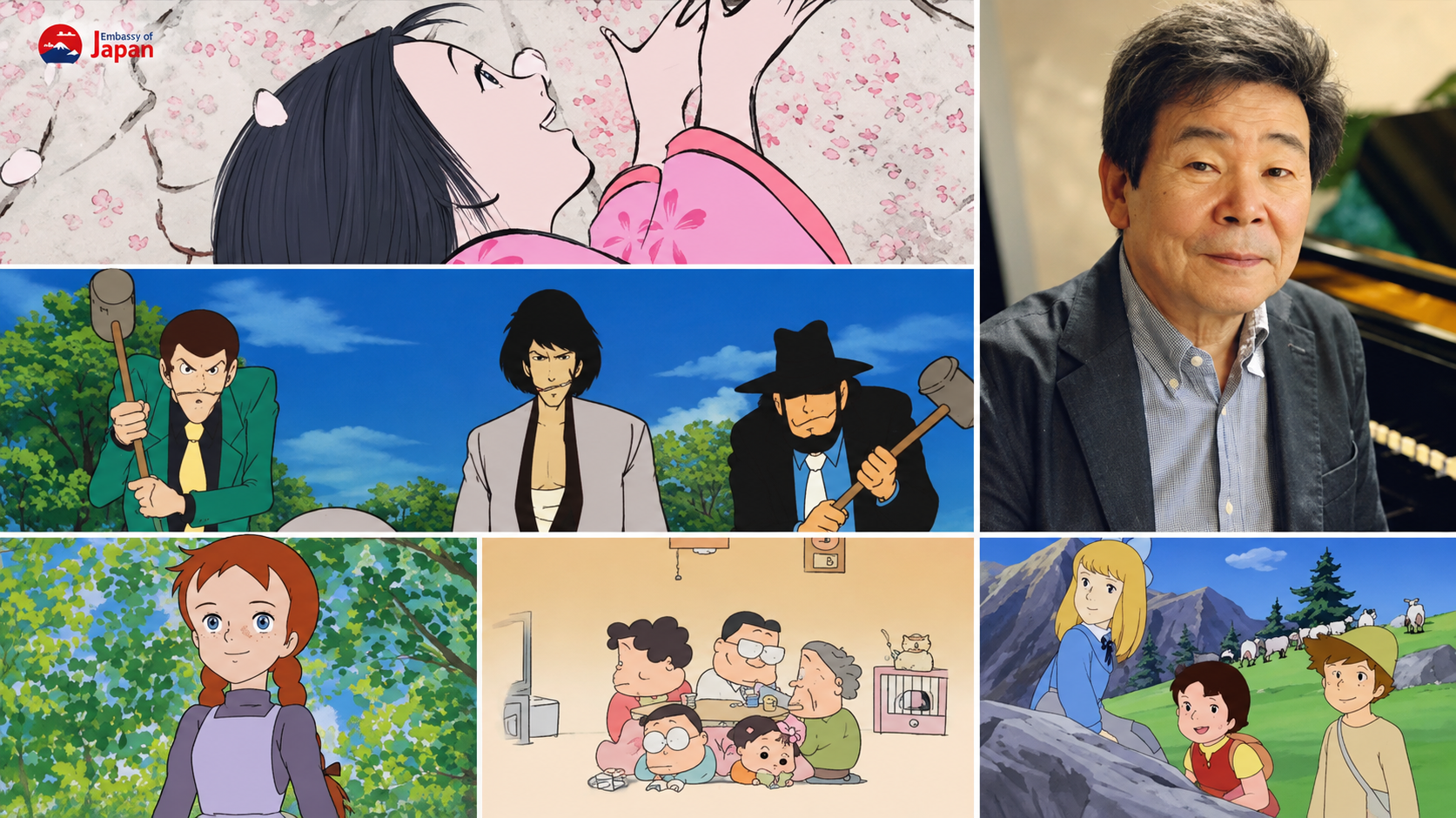
WHY OTSU LABS TRAINS AROUND THIS REALITY
This is exactly why our own training pairs newer artists with senior mentors early - the same in-between-to-key-animation apprenticeship structure the anime industry has always run on - built for anyone who wants to become an anime animator, wherever they're based, without pretending the fundamentals stage can be skipped.
If you're building toward a career in anime-style animation - Join us now.
How long does it take to become an anime animator?
No official average exists. Animator Kenta Yokoya, took roughly 3 years from first credited in-between work to a visible step up. Faster exceptions exist but are rare.
What's the first job for someone trying to become an anime animator?
Almost always in-between animation (douga) - drawing the frames connecting key poses. It's the industry's standard training ground.
Is it true anime animators are paid very little starting out?
Largely yes. A 2019 JAniCA survey found mean annual income for 20-to-24-year-olds at around ¥1,550,000 (~$14,000), well below Japan's national average.
Do you need to speak Japanese to become an anime animator?
For studio-based work in Japan, yes - roughly JLPT N2 level is common, since production runs in Japanese.
Can you become an anime animator without moving to Japan?
Increasingly, yes. Anime has gone global - studios producing anime-style content now operate well outside Japan, Otsu Labs included, often in English.