Limited Animation Explained: The Art of Doing More With Less
Every animation project has limits: time, budget and production resources. Limited animation is the process of working within those limits by focusing animation effort where it creates the greatest impact. The result is animation that feels anything but limited.
What Is Limited Animation?
Limited animation is an approach to animation that reduces the amount of new artwork needed to create the illusion of movement. Instead of animating every part of every frame, artists decide which elements need new animation and which can be held, simplified or reused.
The word “limited” can be misleading. It doesn't refer to the quality of the animation or the creativity of the artists. Rather, it describes an approach shaped by both practical production limits and the search for new forms of visual expression.
Because of that, limited animation isn't a single technique. Different productions achieve it in different ways, often combining multiple methods within the same project. Although these methods vary, they can be roughly grouped using the familiar idea of “reduce - reuse - recycle”:
- Reduce: Draw less.
- Reuse: Use existing assets again.
- Recycle: Repurpose artwork or animation.
The categories are simply a way to organize the many techniques used in limited animation. Each one covers a range of different production methods, which we'll explore throughout the rest of this article.
Why Does Limited Animation Exist?
Limited animation evolved over several decades as artists and studios adapted to new creative ideas, new production demands and the rise of television. Along the way, it came to represent both an efficient way of producing animation and and a distinctive artistic language.
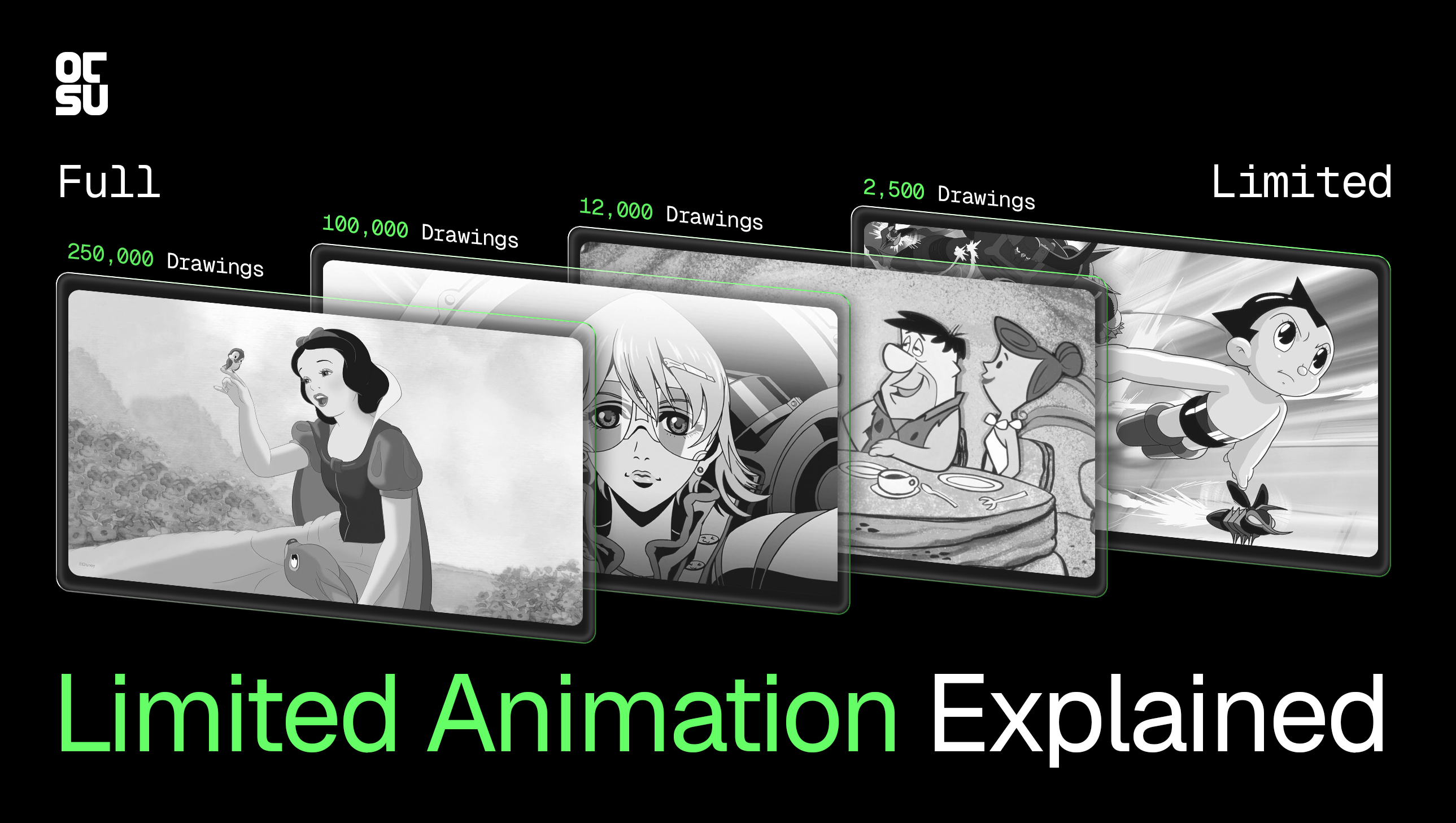
Full animation set the early standard
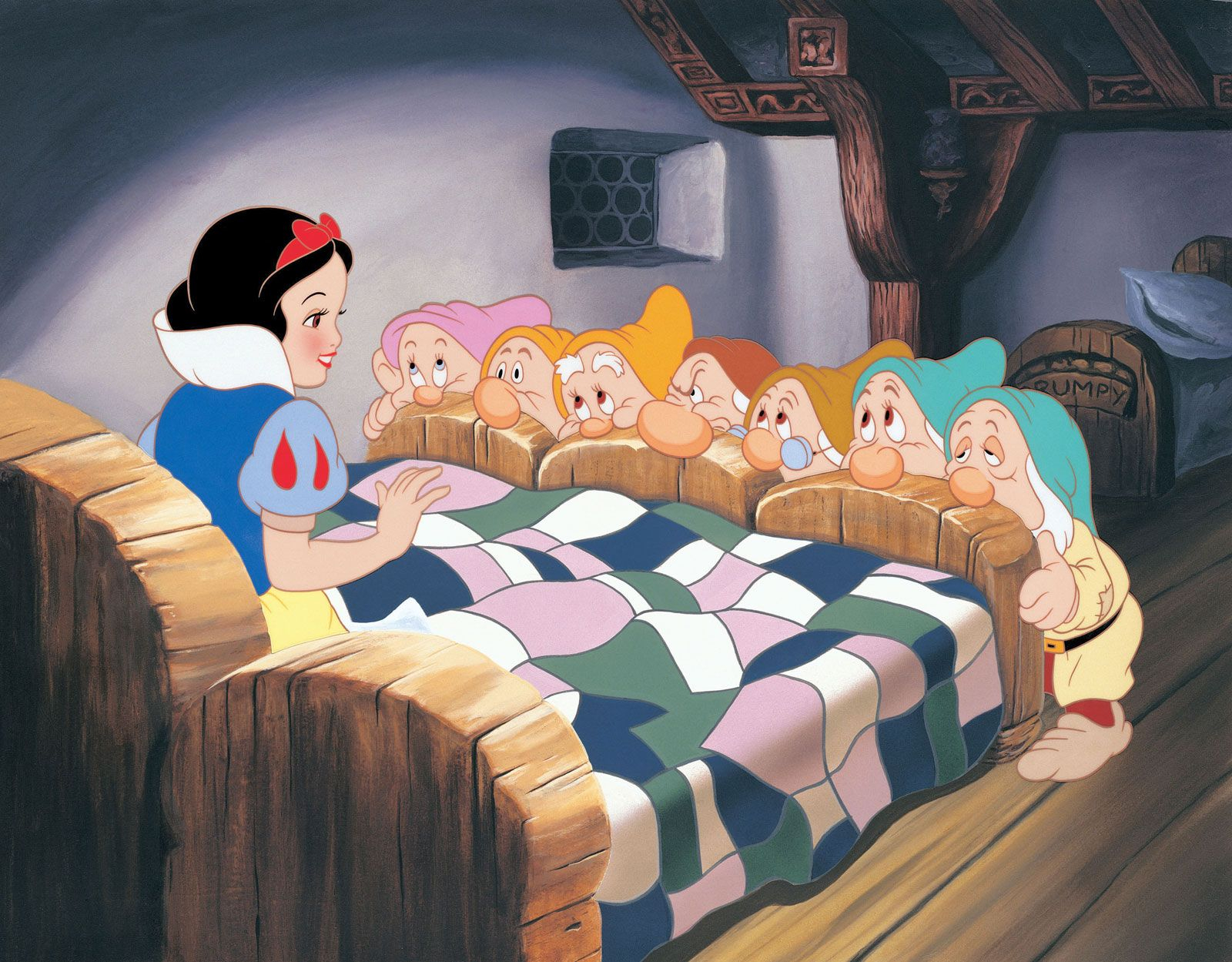
During the 1930s and 1940s, studios such as Walt Disney Animation Studios established what later became known as full animation. Films like Snow White and the Seven Dwarfs (1937), Pinocchio (1940) and Bambi (1942) pursued fluid, naturalistic movement through large numbers of unique drawings, detailed character acting and meticulous in-between animation.
This approach produced some of the most celebrated animated films ever made, but it also required enormous amounts of time, labor and resources, making it well suited to theatrical productions where studios could spend years completing a single film.
Animation found alternatives to realism
As Disney's naturalistic style came to define much of theatrical animation, other artists were also experimenting with different ways animation could look and move.
One of the most influential was United Productions of America (UPA). During the late 1940s, the studio embraced flatter graphic design, stylized backgrounds and more selective movement in films such as Gerald McBoing-Boing (1950). Rather than pursuing increasingly realistic movement, UPA demonstrated that expressive animation could also come from strong graphic design, careful composition and intentional restraint.
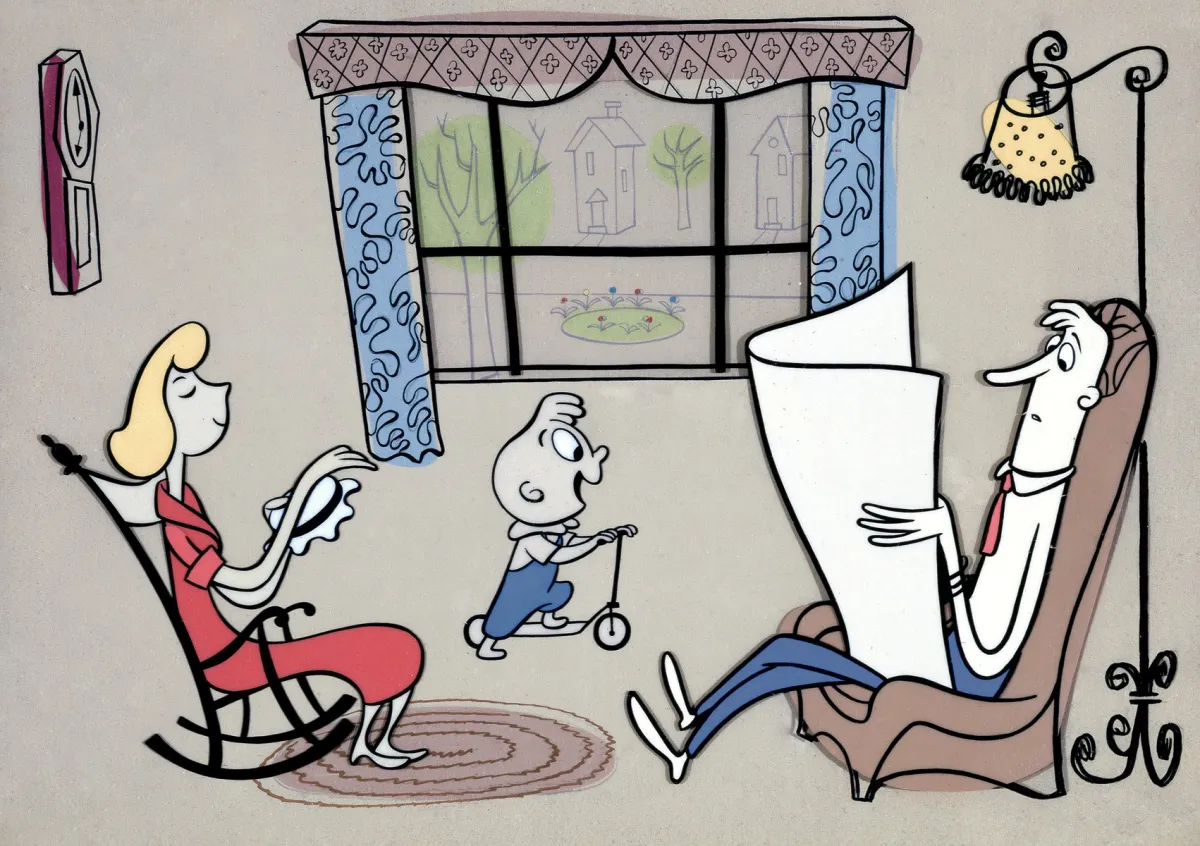
Although UPA's productions often required fewer drawings than Disney’s, their influence wasn’t simply about efficiency. They broadened the artistic possibilities of animation, showing that realism was only one of many creative directions the medium could take.
Television made efficiency a necessity
The rapid growth of television during the 1950s introduced a different challenge.
Instead of producing a feature film every few years, studios now needed to deliver new episodes every week. Television schedules and budgets simply couldn't support theatrical production methods.
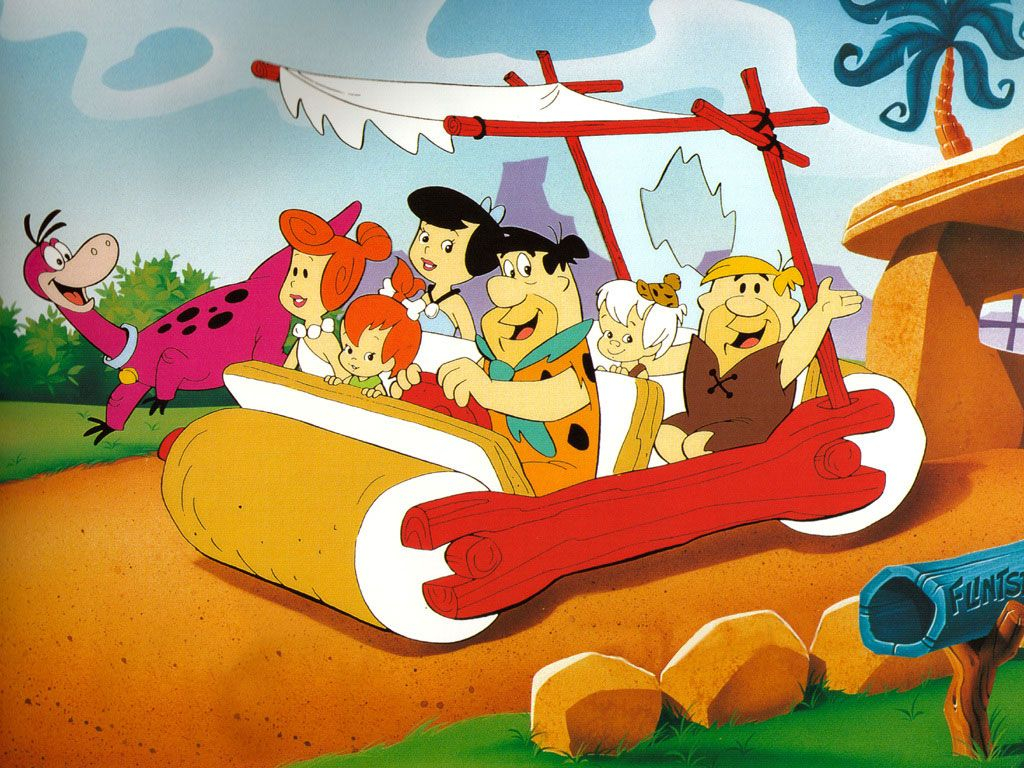
Studios such as Hanna-Barbera refined workflows that made large-scale television animation possible. Series including The Huckleberry Hound Show (1958) and The Flintstones (1960) relied on techniques like held drawings, repeated animation cycles and dialogue-driven scenes to reduce the amount of new animation required for each episode.
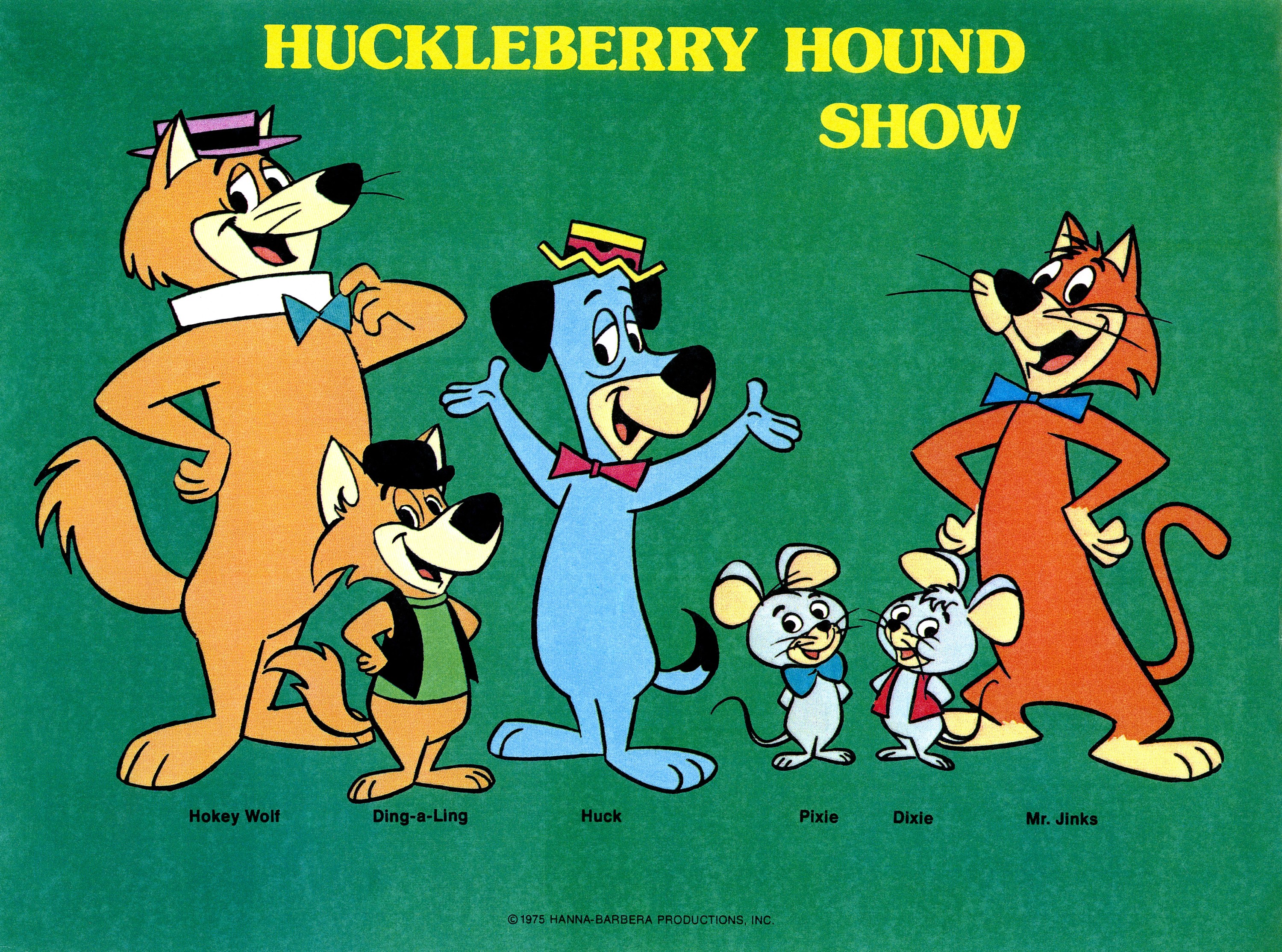
Many of the techniques associated with limited animation today became standard practice during this period, not because they were artistically superior, but because they made television animation commercially viable.
Japanese anime built on those foundations
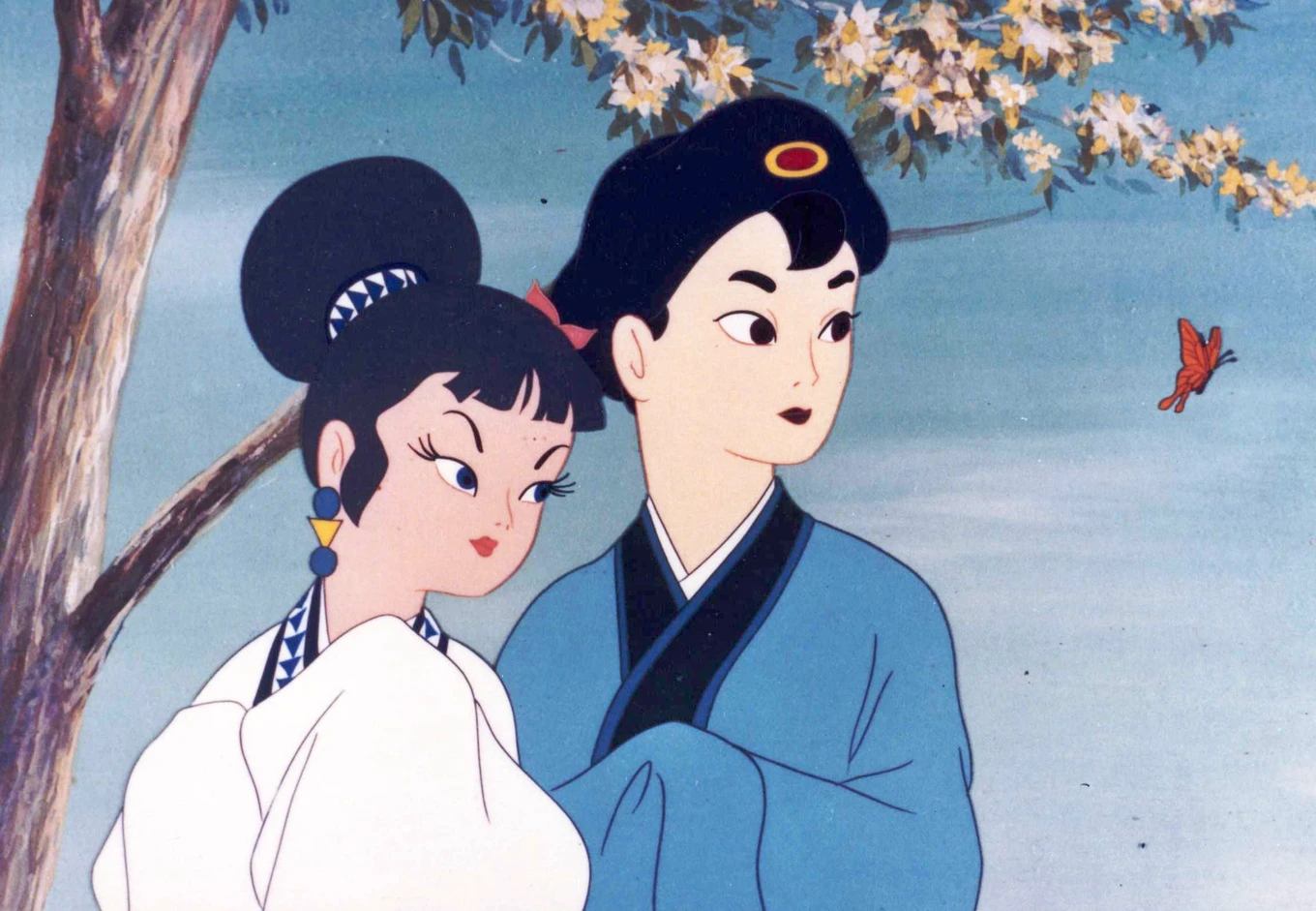
Japan's early animation industry was heavily influenced by Western theatrical animation. In the 1950s, Toei Doga (now Toei Animation) was founded with the ambition of becoming the “Disney of the East”, producing feature films such as The White Snake Enchantress (1958) with a focus on fluid movement and detailed character animation.
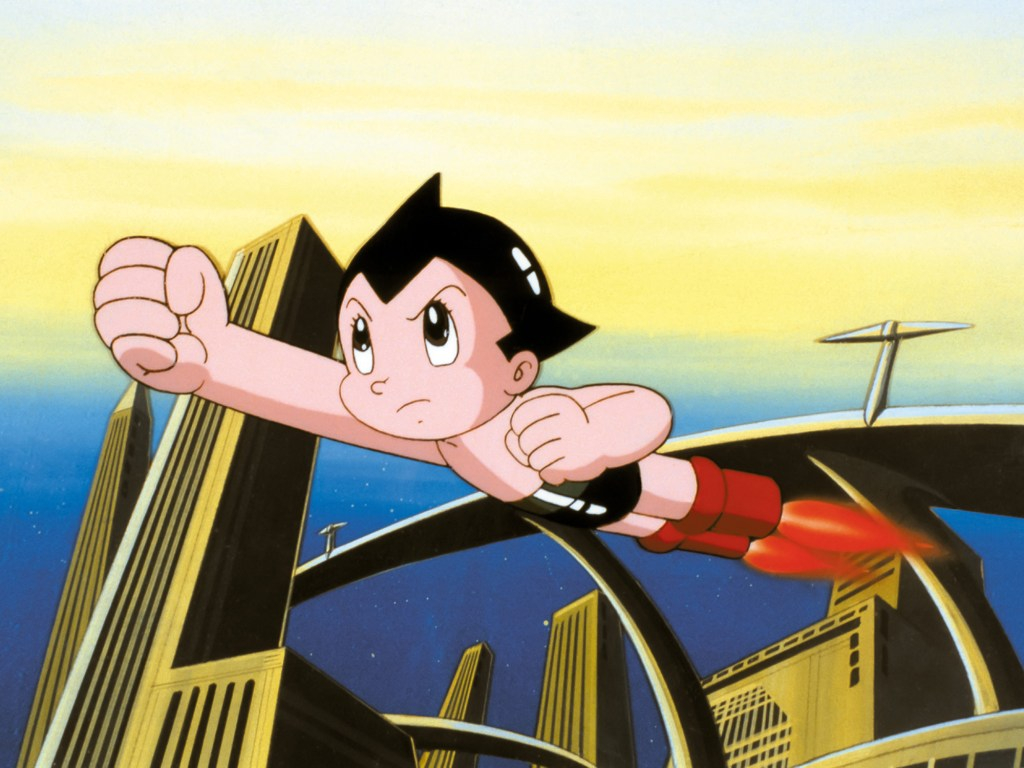
A different direction emerged with Osamu Tezuka and Mushi Production’s Astro Boy in 1963. Rather than extending the theatrical production model, Astro Boy established a new model for Japanese television anime, adapting limited animation into a sustainable production approach for serialized storytelling.
This became one of the defining developments in anime history. The contrast is often illustrated through figures such as Hayao Miyazaki and Osamu Tezuka - one carrying forward the theatrical tradition of feature animation, the other pioneering the television anime model. Although limited animation is used around the world, it became especially closely associated with anime as Japanese studios continued refining these production methods over the following decades.
For a broader look at how limited animation fits into the evolution of the medium, explore our History of Animation: 130 Years in the Evolution of Motion.
How Does Limited Animation Work?
As we’ve mentioned, limited animation isn’t a single technique. It's an approach that combines different production methods to reduce unnecessary work while preserving the movement that matters most. Different productions use different combinations depending on their goals, schedule and budget.
Framerate and timing
The most direct way to reduce animation work is to reduce the number of new drawings. Instead of creating a new drawing for every frame, animators can hold drawings for multiple frames or animate on 2s or 3s when the movement allows. Fewer drawings mean less artwork to produce while still maintaining convincing motion.
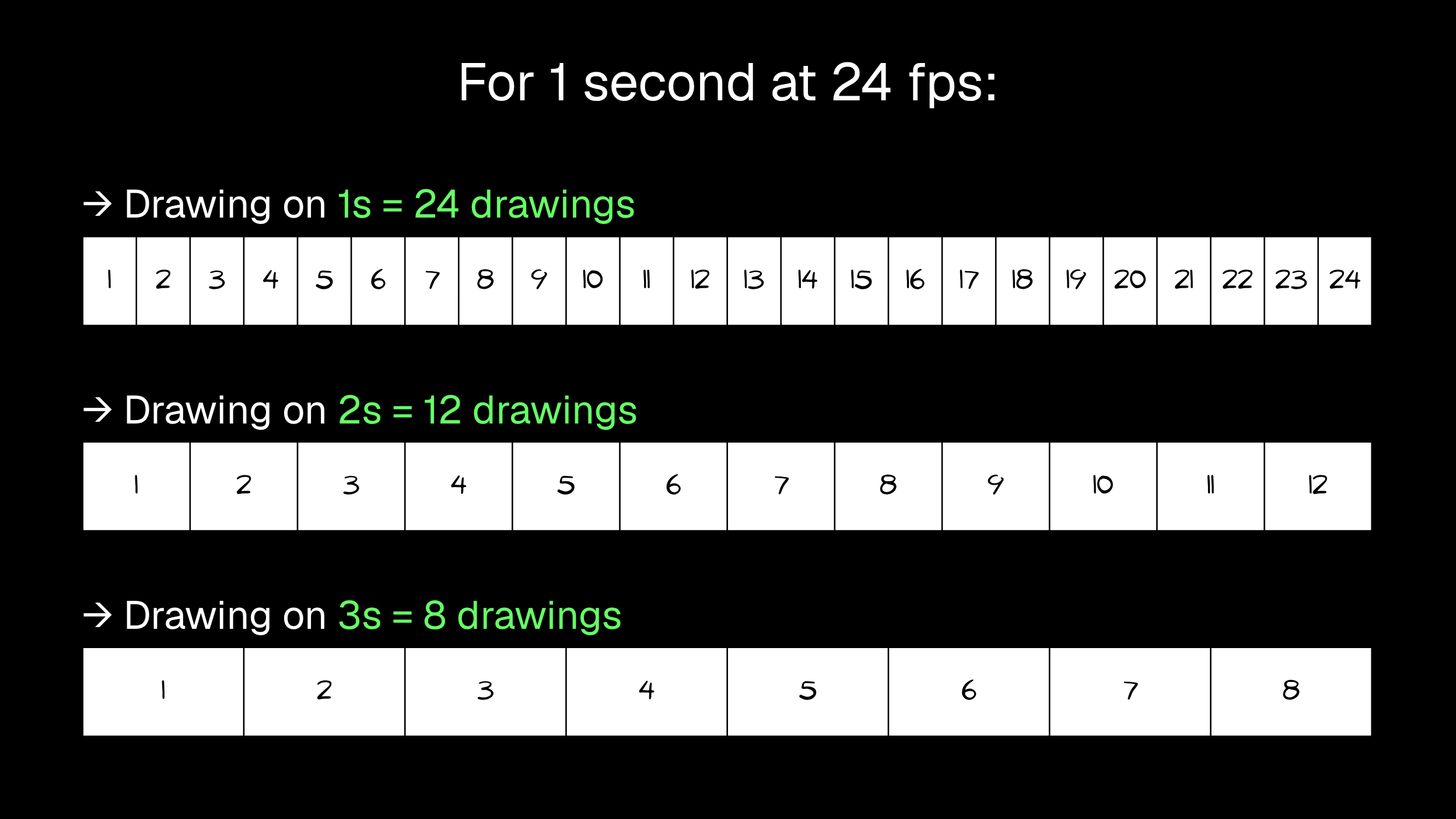
Framerate alone, however, doesn’t define limited animation. Even productions known for fluid animation regularly animate on 2s or 3s when the shot allows for it. The difference lies in how consistently these timing choices are used across a production. Spider-Man: Into the Spider-Verse, for example, uses animation on 2s in some scenes instead of the more common CG animation approach of animating every frame, as part of its frame modulation approach to create a distinctive comic book-inspired visual style.
Character and asset design
Beyond timing, the artwork itself also influences how much work a scene requires. Characters with clear silhouettes and manageable details are easier to animate consistently, while modular or layered assets allow individual elements to move without redrawing the entire image.
This principle can be seen in Astro Boy, whose simple and iconic character design made the character easier to animate consistently while maintaining a recognizable and expressive appearance.
Camera and staging
Once the artwork has been created, the next challenge is presenting it effectively. Composition, staging and camera movement can all create the impression of motion without requiring additional character animation. A pan across a background or a slow push toward a character often adds more impact than drawing extra frames.
Neon Genesis Evangelion is well known for this approach. Its held shots, restrained camera movement and deliberate composition build tension by directing the viewer's attention rather than relying on continuous animation.
Reusing animation
Another way to reduce production work is to reuse artwork that already exists. Repeated actions can appear as animation cycles or stock footage, while recycled animation adapts existing artwork for new scenes by changing elements such as timing, camera angles, backgrounds or color.
The transformation sequences in Sailor Moon are among the best-known examples of reused animation in anime, with the same completed sequences appearing across multiple episodes. Similar techniques have been used in television animation for decades, reducing production workload and allowing resources to be focused on scenes that require new animation.
Saving the best for when it matters
Taken together, these techniques reduce work in different ways. Animating on 2s or 3s lowers the number of new drawings. Efficient character designs reduce the amount of artwork each movement requires. Camera work creates impact without additional animation, while stock footage and recycled animation avoid repeating work that has already been done.
The time and effort saved can then be invested where audiences are most likely to notice. Spider-Man: Into the Spider-Verse, Astro Boy, Neon Genesis Evangelion and Sailor Moon all rely on different production “tricks”, yet each remains highly regarded for its animation. The difference is that those techniques aren't used to avoid animation altogether. They help productions concentrate their resources on the scenes that carry the greatest emotional, dramatic or visual impact.
This balance is what makes limited animation effective. Rather than treating every scene the same, productions vary their level of animation according to the needs of the story, directing their time and talent to the moments that matter most.
What Does This All Mean in Practice?
Limited animation appears across different types of animation projects. Television series, feature films and commercial animation all use these techniques, but they apply them differently depending on their creative goals and production constraints.
Television series
Television animation needs to sustain production across many episodes and long schedules. Limited animation helps studios maintain consistency while allowing more time and effort to be spent on scenes that need greater visual impact.
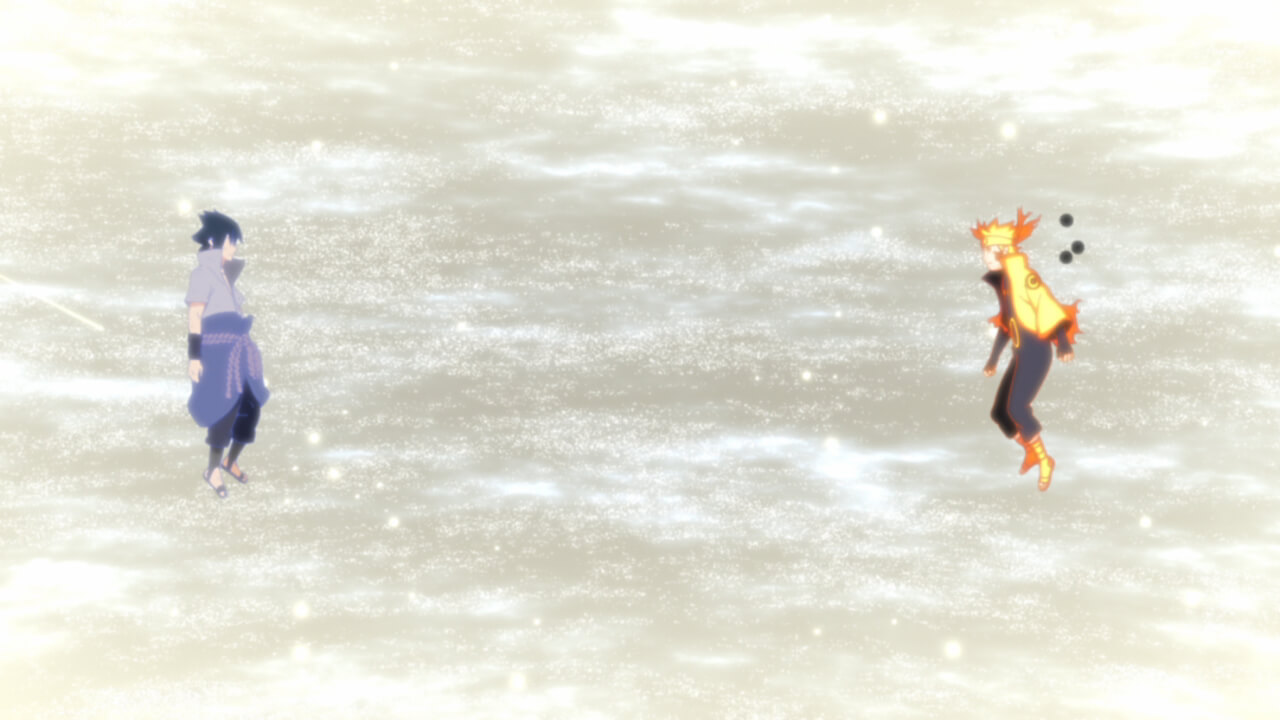
Long-running anime such as Naruto illustrate this balance. Dialogue scenes often rely on held poses, repeated animation and economical staging, while major battles receive denser animation and more ambitious choreography.
Commercial animation
Commercial animation often has only a short time to capture attention and communicate a message. Because every second matters, productions usually focus movement on the elements that carry the message, such as a character's expression, a product reveal or a key visual moment.
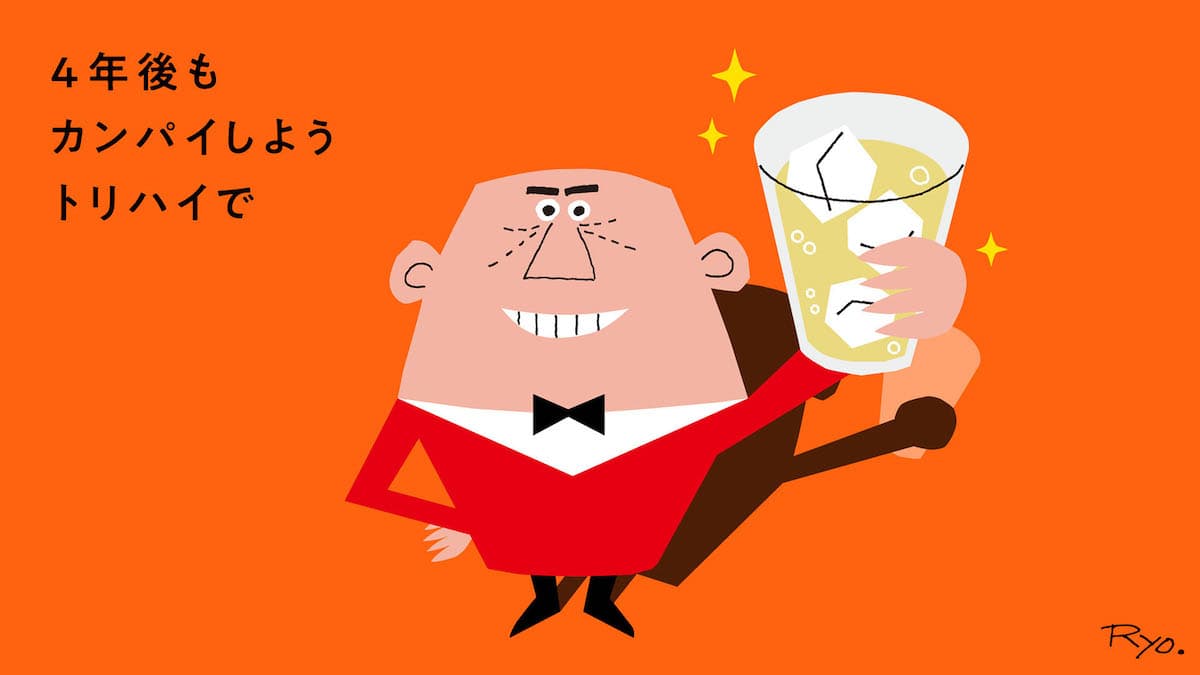
The Uncle Torys commercials for Torys Whisky are an early example of this approach. With a simple character design, strong poses and economical movement, the ads created a memorable mascot without relying on constant animation. The result shows how limited animation techniques can support clear communication and strong visual identity.
Feature films
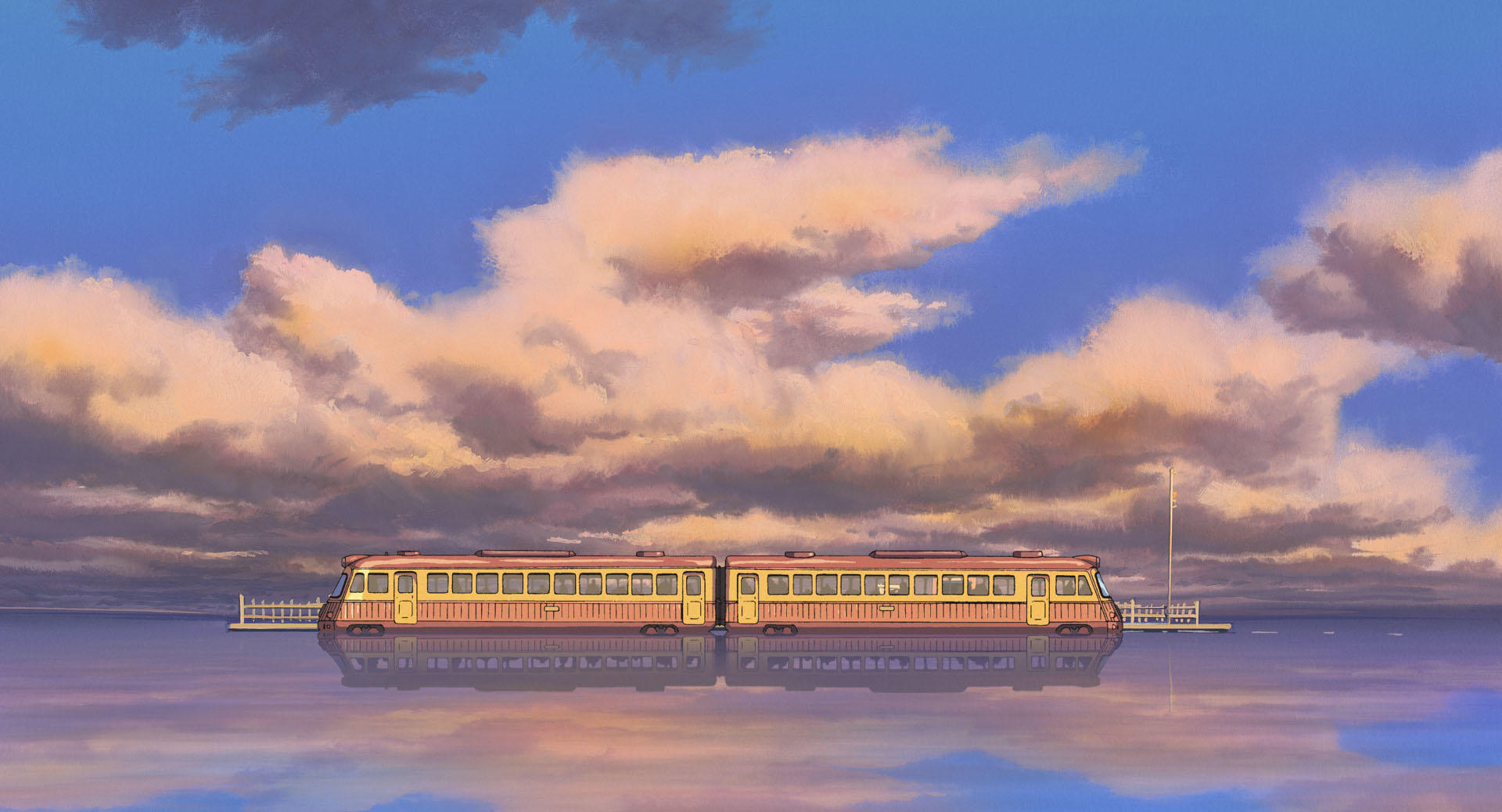
Feature films rarely rely on limited animation as their primary production method, but many still apply its principles selectively. Studio Ghibli films, for example, often balance highly animated sequences with quieter moments where composition, atmosphere and carefully chosen movement carry the scene’s emotional impact.
What Limited Animation Teaches Us About Animation
Understanding limited animation is ultimately about understanding how animation works as a medium. Limited animation shows that animation is not only about creating more movement, but about making intentional decisions about timing, design, composition and emphasis.
These principles continue to shape anime, films, advertisements and digital content today. Productions of every scale decide where additional animation creates the greatest impact, whether that means highlighting a character's performance, emphasizing a key action or creating a specific visual style.
At Otsu Animation, we believe great animation comes from choosing the right balance of movement, style and production approach for each project. If you have an animation project in mind, we can help you find the right approach to bring it to life. Let’s get in touch!