Why Anime-Style Storytelling Is Winning Music Videos and Brand Campaigns
In 2023, a single animated music video - "Idol" by YOASOBI - hit 100M views in 35 days, the fastest ever for a Japanese act. Acura used the same anime style storytelling for its Type S ad series and pulled in 275M views. These aren't outliers - they're proof of a format that punches above its weight. Here's what's behind it.
ANIME IS A MEDIUM, NOT A GUARANTEE
Is Attack on Titan an anime? Not exactly - it's a story told through manga, anime and a live-action film. Same story, different containers. The container doesn't automatically make a story good, a badly made anime is still a bad story.
So the real question isn't "does anime work" - it's "what specifically does anime-style storytelling give a story that other formats don't." Three things, mainly: characters unbound by a single market's look, worlds built to feel lived-in rather than shot on location and a budget that goes toward narrative decisions instead of production logistics. The case studies below show what anime-style storytelling looks like when it's done well and later in this piece, where it tends to fall short.
3 CASE STUDIES: WHAT ANIME-STYLE STORYTELLING ACTUALLY DELIVERS
YOASOBI - "Idol" (2023)
The song's official video is an original anime-style animated music video, directed by Naoya Nakayama as the opening theme for the anime Oshi no Ko.
- 100M views in 35 days - the fastest ever for a Japanese act
- 600M+ views total since release
- First Japanese-language song to top the Billboard Global Excl. U.S. chart
The chart performance suggests the video's reach fed directly into commercial success, not just YouTube numbers.
Yorushika - "Say It." (2017)
No anime tie-in at all. This is a standalone song from Yorushika's debut mini-album, years before the band became known for anime theme songs. The animated video, directed by Otori, was made purely as original storytelling - no existing IP to borrow an audience from.
- 190M+ plays with zero franchise support
This suggests anime style storytelling itself - not a franchise attached to it - is doing the real work here.
Acura - "Chiaki's Journey" (Western brand, not music)
Not a Japanese music video - a U.S. car brand. Acura built an original anime series, Chiaki's Journey, to launch its Type S vehicles.
- ~275M views - Acura's most-viewed campaign to date
- Measurable lift in brand consideration
- Reported sales boost for TLX and MDX Type S
- Gold Effie Award - an industry award tied to marketing effectiveness, not just reach
Why is this case the strongest of the three? It combines attention with a measurable business outcome - not just a big view count.
Three very different goals - a J-pop song, an original MV with no IP behind it and a car launch - all leaning on anime-style storytelling, each with results that go beyond simple view counts.
WHY IT WORKS: 3 SIMPLE REASONS
1. Characters are built to travel
Anime characters are usually not tied to one specific country or ethnicity by design. That lets a viewer in Italy, Vietnam or the U.S. connect with the same character without needing literal representation. Fewer specific markers, wider potential audience - part of why "Idol" and "Chiaki's Journey" both performed well internationally, not just at home.
2. A relatable character in a detailed world feels real
Anime pairs flexible character design with richly built worlds. The character is easy to connect with; the world feels lived-in. That combination is what makes anime style storytelling emotionally immersive, not just visually distinct from live-action.
3. The budget goes toward story decisions, not production logistics
Animation isn't automatically cheaper than live-action - a fully realized animated series still costs real money in labor, design and rendering. The difference is what that money buys. Live-action budgets go heavily toward things animation doesn't need at all: location permits, travel, insurance, casting logistics. Anime-style storytelling redirects that same spend toward the story itself - a more elaborate world, a sharper character design, a bigger action sequence. That's why the format handles ambitious, fantastical ideas well - not because it's cheap, but because its cost sits in a different place.
WHERE THIS FORMAT DOESN'T FIT
To be fair to its limits: anime-style storytelling works best when a brand or artist wants to reach a younger, global audience emotionally and has enough lead time to build a real character and world, not just a logo animation.
Poor fit for:
- Messages that need to feel grounded in a specific, real place (local business, regional campaign)
- Timelines too short to develop a character worth caring about
All three examples above had months of development behind them - not a quick turnaround.
SHOULD YOU CONSIDER THIS FORMAT?
If you're planning a music video, a brand film or an original series, these examples point to something specific: anime-style storytelling is a way to reach a global audience emotionally, with a budget that goes toward narrative control rather than physical logistics - provided you have the character development time it requires. Few visual formats are built to do both at once: reach that wide and land that personal.
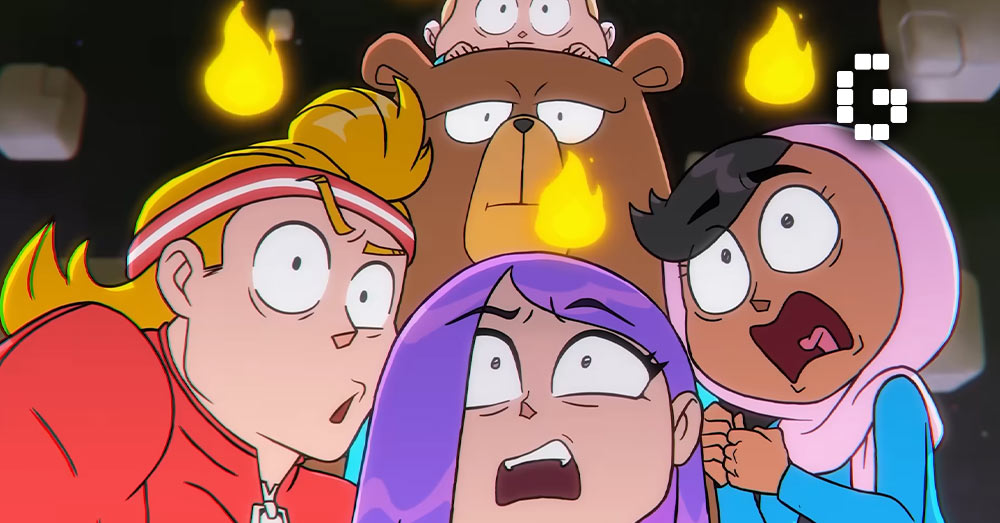
WHY OTSU ANIMATION BUILDS ON THIS FOUNDATION
This is why Otsu Animation was built around anime-style storytelling as a format, not just an aesthetic. Our approach pairs the same mechanism behind these examples - relatable character design, immersive worlds, budget directed at story rather than logistics - with production pipelines built to deliver anime-style storytelling at scale.
We're upfront that this format isn't a shortcut: it takes real development time to build a character and world worth watching. What we bring is the ability to do that at a global level without cutting the artistic corners that made these examples work in the first place.
If any of this sounds like the story you've been trying to tell - whether it's a music video, a brand film or something that doesn't have a name yet - we'd genuinely love to hear about it. Let's get in touch!
Is anime better for storytelling?
Not automatically - it's a medium, not a guarantee. What anime-style storytelling offers is relatable characters, immersive worlds and a budget spent on story instead of location logistics - the mechanism that lets a good story travel further.
Do brands use anime in marketing?
Yes. Acura's "Chiaki's Journey" hit nearly 275M views in its first season and lifted both brand consideration and sales for its Type S vehicles among Gen Z buyers.
Is anime-style animation too expensive for brands?
Not necessarily. It isn't cheaper than live-action, but it redirects the budget from location, travel and casting toward the story itself - delivering ambitious ideas without ballooning costs.
When does anime-style storytelling not make sense for a project?
When the message needs to feel grounded in a specific, local context or when there isn't enough lead time to build a character worth caring about.
Can anime-style storytelling scale for commercial projects?
Yes. Otsu Animation pairs the same mechanism behind these case studies with production pipelines built for scale, so a project can reach a global audience without losing artistic depth.