How Long Does It Take To Make An Anime?
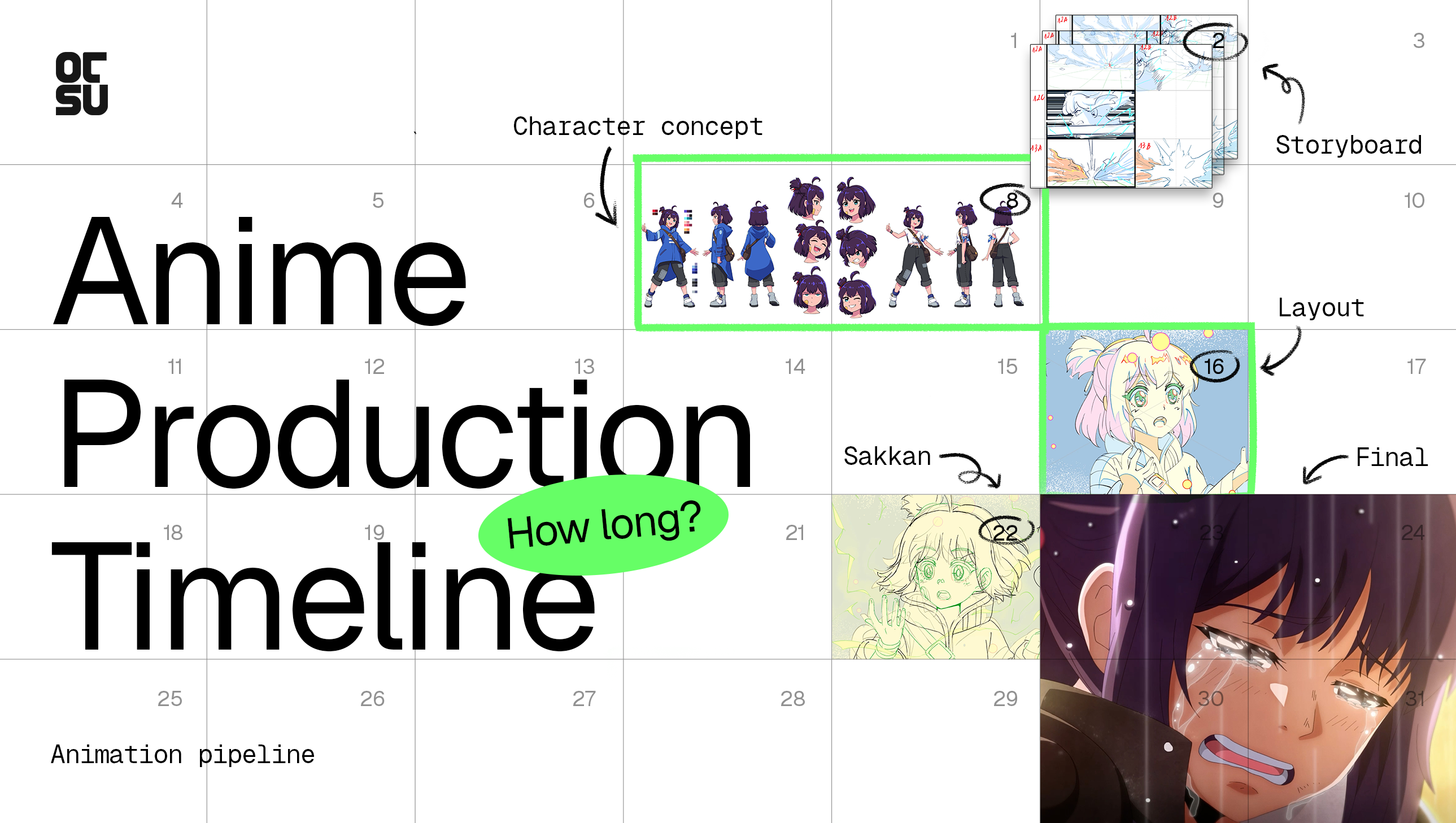
An anime season can take anywhere from 1 to 3 years of production before it finally hits the screen. Behind those long months of waiting are relentless deadlines and packed schedules inside the animation studio. Let’s unpack the process to understand what it really takes to make an anime.
“Why does anime take so long to make?” If you are an anime fan, you’ve probably asked yourself this question while impatiently waiting for the next season of your favorite show. So, how long does it actually take to produce an anime or an animated project?
The answer is: it depends on the project.
That might sound like a cop-out, but in this article, Otsu Animation will break down why there’s no fixed timeline for animation and why the process takes so much time.
Before we dive in, here's a quick disclaimer: the infomation below comes from a mix of industry research and our own hands-on experience at Otsu Animation. Since every studio operates a bit differently, there’s no universal standard. Think of this guide as a realistic peek behind the curtain of the animation industry.
Alright, let’s start the conversation.
The Basic Production Timeline
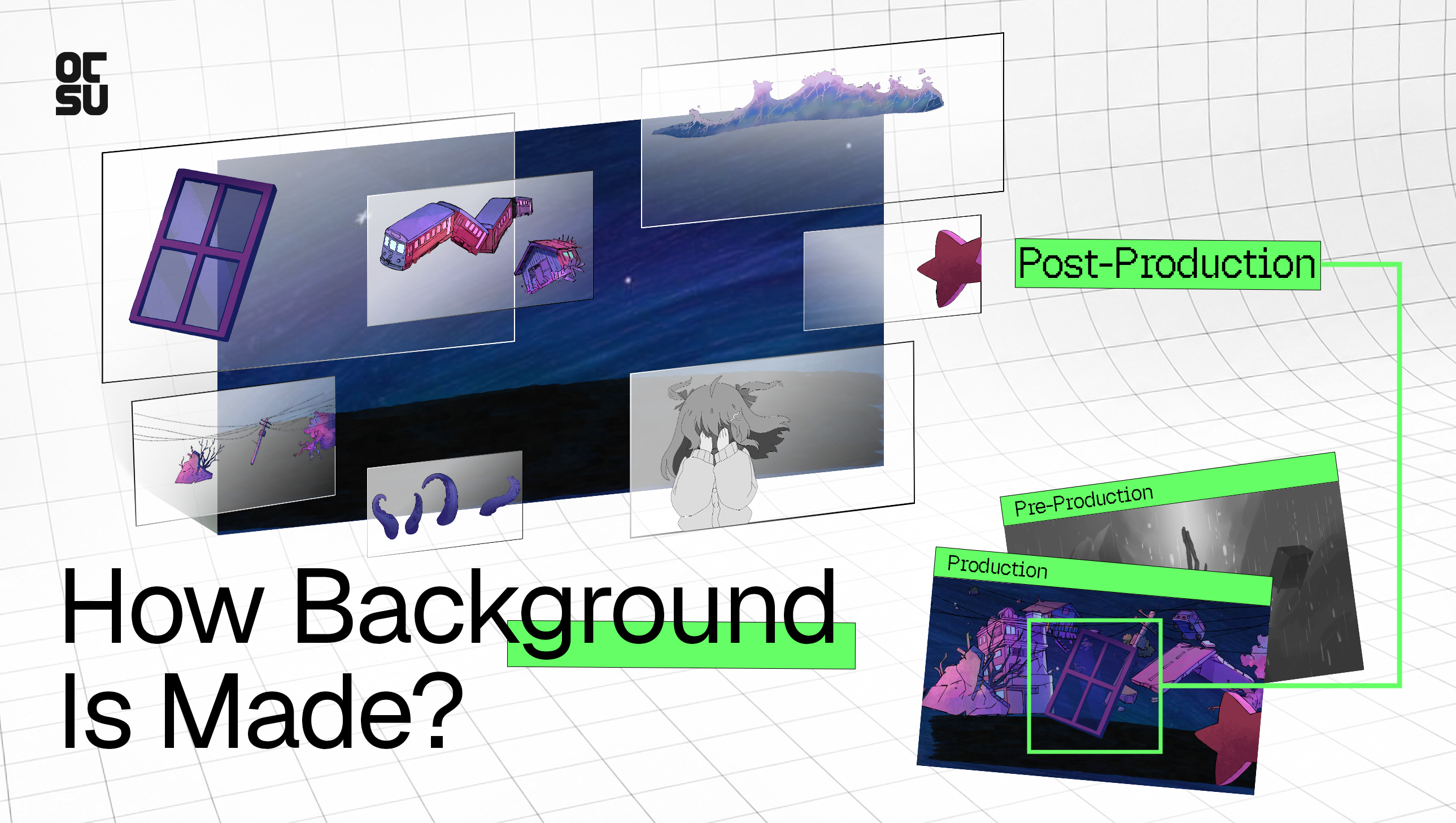
To understand why anime production takes so long, we first need to look at how it gets made. While every studio has its own workflow, the process generally breaks down into three main phases: Pre-production, Production and Post-production. We’ve already shared about the anime pipeline inside our studio that gives you a clearer view of how a studio works. So now we will calculate the time based on that pipeline.
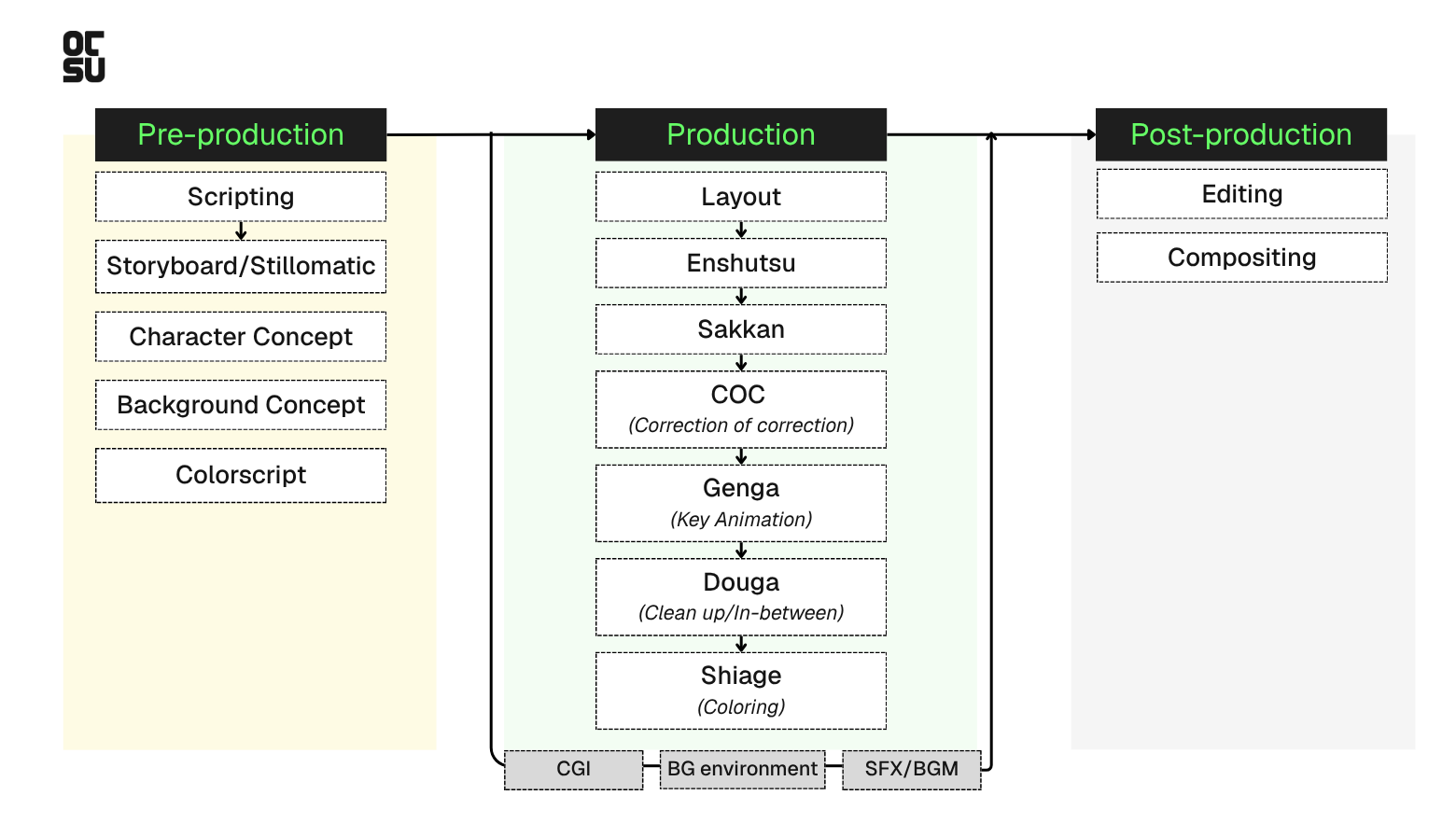
- Pre-production: To build a great story and keep things running smoothly later on, you need a solid foundation. From the script, storyboards, to animatic, character and background concept can take anywhere from 1 to 1.5 months for a short 60secs animation. The more thorough you are here, the smoother the rest of the project goes. That’s why feature films from places like Studio Ghibli or directors like Makoto Shinkai often spend up to a full year just in pre-production.
- Production: This stage eats up nearly half of the total production time because it’s where ideas actually come to life. Based on the standard 24 frames per second (24fps), animators have to draw thousands of individual images to create motion. To reach from layout to shiage (coloring), it can consume the studio's timeline about 2 months.
- Post-production: This final phase includes compositing, color grading, adding visual effects (VFX), voice acting and sound design to tie everything together. This stage often takes about 2-3 weeks before delivering the final outcome.
What Affects The Timeline?
The animation takes so much time because there are tons of frame to draw. Yes, but the production time doesn't just depend on the number of drawings. It is also heavily influenced by management and logistics:
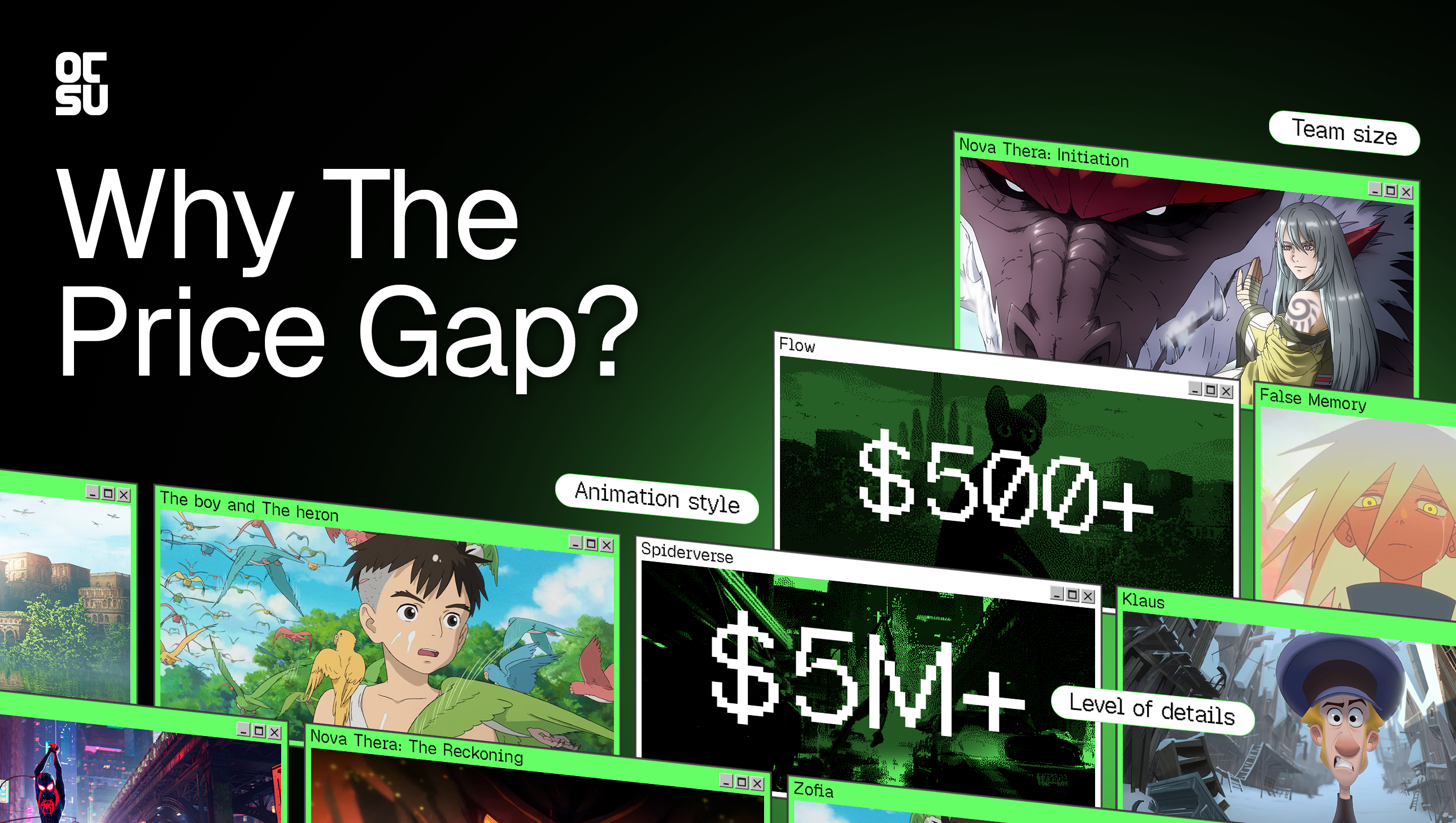
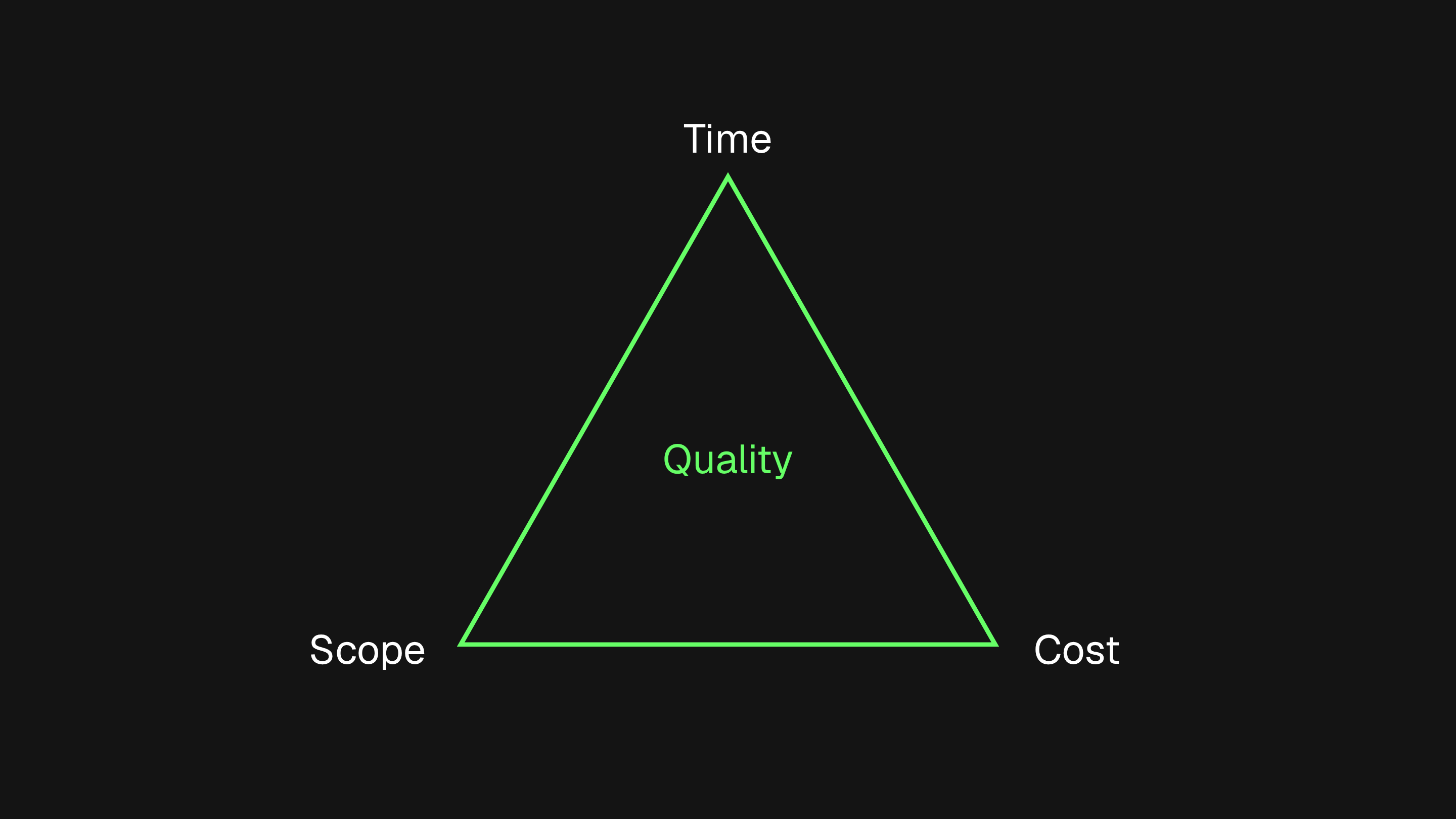
- Budget: Apparently, money directly affects production speed. According to the "Project Management Triangle" when the scope is big and time is tight, the cost has to go up to maintain quality. Because a bigger budget allows studios to hire more animators to finish tasks faster. It’s ridiculous to give a studio a small wallet and tell them to make an anime with Makoto Shinkai’s standard within 3 months.
- Studio Scale: Animation giants like Toei Animation have hundreds of employees, which makes weekly anime series manageable. But for smaller studios with under 100 people, delivering a movie-quality seasonal anime like Jujutsu Kaisen on a tight schedule is a massive challenge. That’s why those studios have to outsource parts of the work if they want to accomplish the deadline.
- Production Management: Scheduling is everything. Studios often handle multiple projects at once, which can lead to schedule conflicts. Line Producers and Production Assistants (PA) have to track progress daily to keep everyone on schedule.
- Human Factors & Other unexpected delays: It’s hard to control the human issue like burnout, sudden staff resignations, investors pulling funding, or problems with the original manga/light novel source material can easily stall or close a project.
Calculate The Numbers: From Frames To Episodes
Assuming everything goes according to plan with ideal condition, here is what an animation team can typically produce in one week:
- Rough animation: ~6 to 7 seconds (intense action scenes take longer)
- Tie-down: ~7 to 8 seconds
- Clean-up: ~10 seconds
- Coloring: ~30 seconds
Adding it all up, a full 60-second animation takes about 2 months to produce, plus 2 to 3 weeks for post-production. That means it takes about 3 months to create 1-2 minutes of polished animation. And if you multiply that for a standard seasonal anime (12 episodes at 20–30 minutes each), a single cour (three-month unit of anime broadcasting) usually takes 2 to 3 years to fully prepare and produce.
Of course, these steps happen in parallel. For example, background artists work at the same time as key animators. For TV series, studios often split into smaller teams led by different Episode Directors, allowing them to work on 3 or 4 episodes at the same time.
A Quick Story from the Animators:
An animator at Studio Trigger once shared that she could average about 5 seconds of basic layout animation per day for Mayonaka Punch. However, for intensive movie-quality action scenes where everything moves constantly, that speed drops drastically. For a fighting sequence in Gachiakuta, the animator spent nearly two full weeks on 70 drawing frames that lasted just... 3 seconds.
To manage these time constraints, the Japanese anime industry relies heavily on “Limited Animation” techniques. Directors use smart tricks like camera movement, lip sync and intentional pauses to keep scenes feeling alive without drawing every single frame. This helps studios hit tight weekly or seasonal deadlines without compromising quality.
Average production timelines by format:
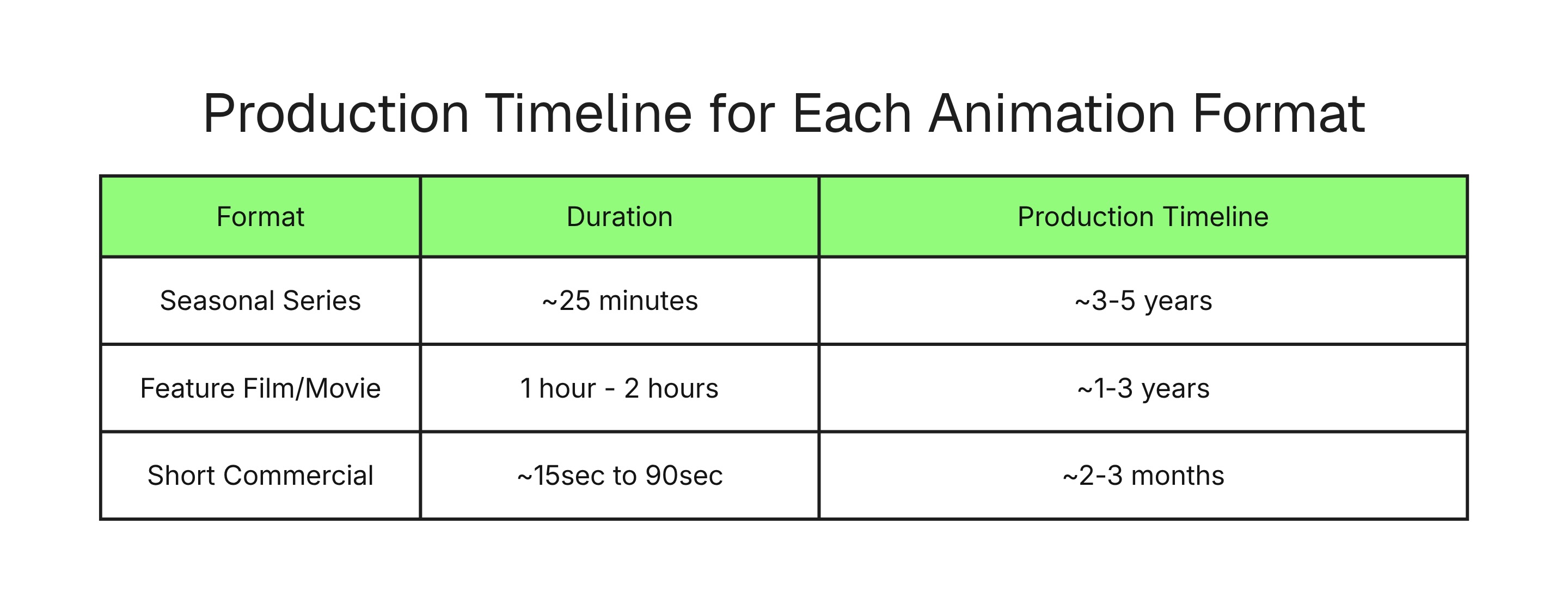
- TV Anime (Seasonal): Usually takes 1-3 years from initial planning to the premiere episode.
- Anime movies/Feature film: Typically take 3-5 years (or more) due to the high demand for fluid motion, complex artwork, cinematic sound design.
- Commercials/Short animation: Range from a few weeks to a few months.
Is Longer Preparation Equal to a Better Result?
So, does a longer production time mean an anime will automatically be better?
Not necessarily. Some shows get delayed season after season and still fall flat upon release. However, most fans don't mind waiting as long as the final product delivers quality that matches their expectations. At the end of the day, anime production isn't a factory assembly line where you just push a button to get a finished show. It's a delicate balance of art, technology, management and budget. That long wait for a new season isn't just wasted time, it's the price of letting artists refine every frame and bring characters to life.
We hope this gives you a clearer picture of what goes into producing your favorite shows. To estimate an accurate timeline for the specific animation project you want to create, contact us here so we can assist you with the details.
How long does it take to produce an anime season?
Depending on the quality expectation and the studio’s circumstances, an anime season with 20 episodes (25 minutes per episode) can take about 2 to 3 years to produce.
Why does anime/animation take so much time to produce?
It requires hundreds of people working on hundreds of cuts to produce a season. Additionally, studios often handle multiple projects at the same time, requiring them to manage and prioritize their workflow to allocate resources effectively.
Does longer production make the anime better?
Not really, the quality of a finished anime is determined by management, resource allocation and creative direction, not just time on the clock.