How Anime Went Global: The Making of a Global Cultural Phenomenon
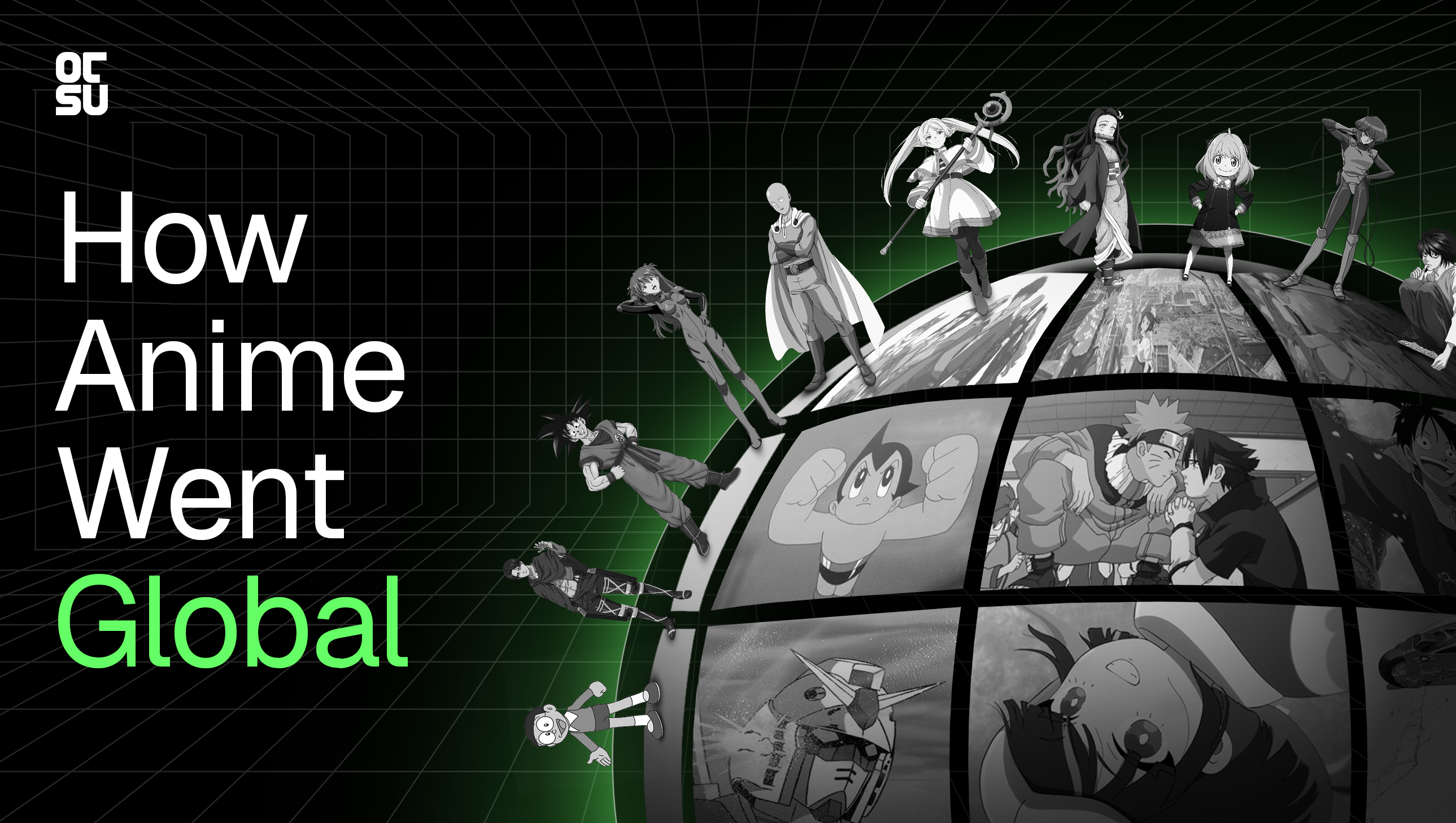
Anime is no longer just a Japanese form of animation. As it spread around the world, it became part of local fan cultures, influenced creators outside Japan and opened up new opportunities for the industry. Looking at culture, influence and marketing helps explain how anime became a global phenomenon.
More Than a Japanese Export
When people talk about how anime went global, the story often becomes a timeline. Japanese animation appears in another country, finds an audience, gets broadcast on television, then eventually arrives on streaming platforms. That history is useful, but it does not fully explain why anime became such a powerful global phenomenon.
Anime did not simply travel farther. Its meaning changed as it moved.
Audiences outside Japan began incorporating anime into their own cultures. Artists began borrowing ideas from its visual language and adapting them to their own work. Companies discovered that anime could support an international business far larger than the traditional market for imported animation. These developments were connected. Fandom created demand, demand encouraged investment and greater visibility introduced anime to people who might otherwise never have encountered it.
This makes globalization less a story of anime leaving Japan and more a story of anime becoming something that could exist simultaneously in different cultural contexts. Japan remains central to the medium, but anime is no longer contained by its country of origin. It has become a cultural reference, a creative influence and a global market.
Culture: When Anime Became Part of Global Life
From Foreign Entertainment to Familiar Culture
For audiences encountering anime for the first time, some of its conventions could initially seem strange. Characters behaved differently from those in familiar Western animation. Stories could move between comedy and drama without warning. School settings, honorifics and everyday customs reflected a society that many viewers had never experienced firsthand.
But familiarity developed through repetition. As more people encountered anime, its conventions became easier to recognize. Audiences learned that a particular visual expression could communicate embarrassment or anger. They became familiar with recurring settings such as Japanese schools, convenience stores and train stations. They learned the difference between genres such as shōnen, shōjo and mecha. Eventually, many of these references stopped feeling foreign even when viewers had never encountered them outside anime.
This is an important part of cultural globalization. A foreign medium does not become culturally significant simply because people can understand its stories. It becomes significant when its conventions become recognizable enough to be interpreted without constant explanation.
Anime achieved that recognition on a remarkable scale. A visual shorthand that originated in Japanese comics and animation could be understood by viewers who had grown up thousands of kilometers away from Japan.
The process also worked through repetition across generations. Someone who discovered Dragon Ball or Sailor Moon as a child could later encounter Naruto, One Piece or Attack on Titan as a teenager and then discover very different kinds of anime as an adult. The medium became less like a foreign genre that had to be discovered and more like a permanent part of the entertainment landscape. That shift created the foundation for everything that followed.
The Audience Started Building Its Own Culture
Once anime became familiar, fans did more than watch it. They began building communities around it.
This is where anime's globalization becomes different from simply exporting television shows. A television program can be popular in another country without becoming part of that country's cultural life. Anime developed a participatory culture that allowed viewers to create their own spaces around the medium.
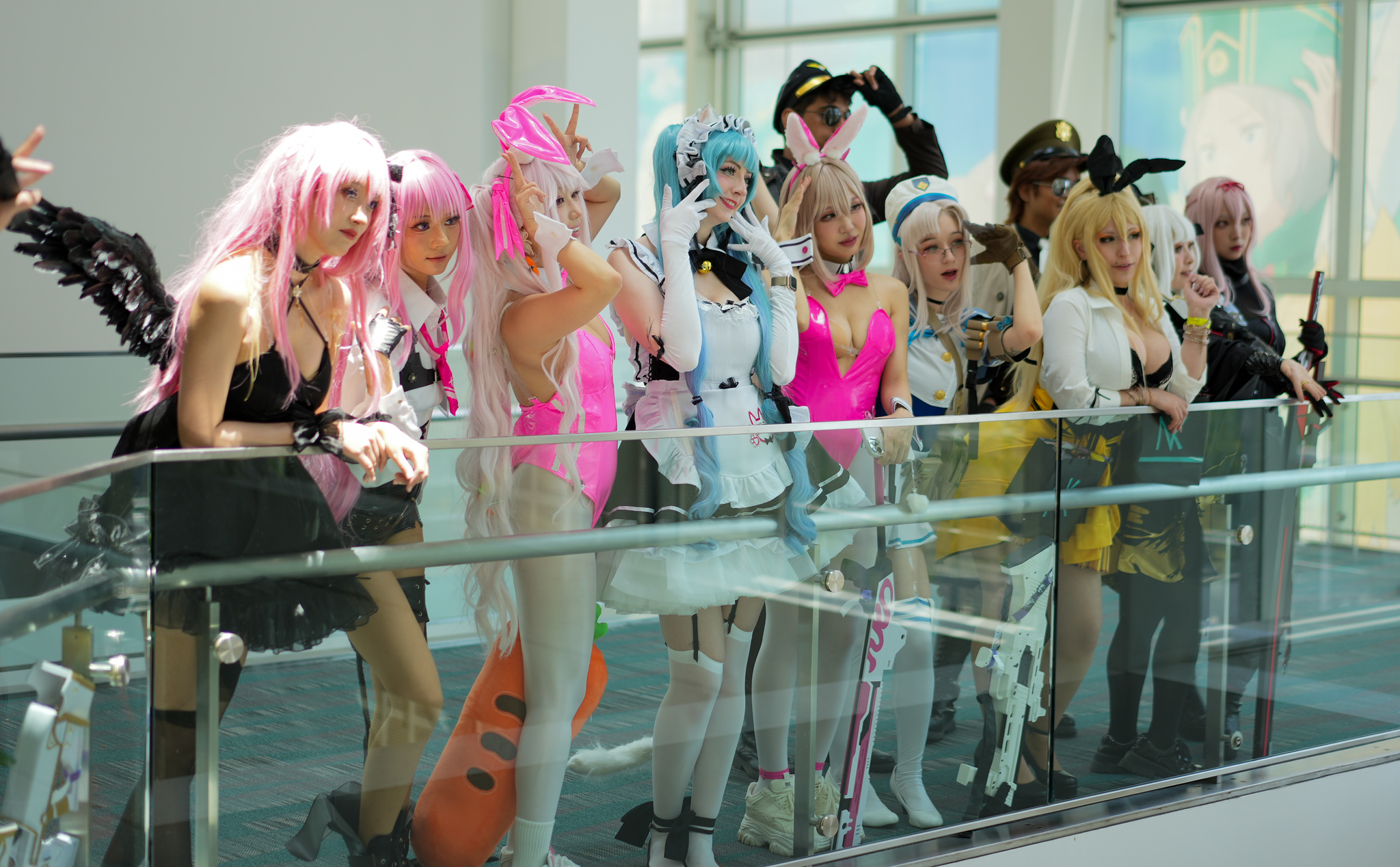
Conventions are an obvious example. They are not simply places where people buy merchandise or meet voice actors. They give fans an opportunity to perform their relationship with anime publicly through cosplay, fan art and community activities. Online spaces expanded that participation even further, allowing fans to discuss episodes, share drawings, create edits and argue over characters with people they would never otherwise meet.
The internet was particularly important because anime fandom could develop independently of traditional broadcasters. A viewer no longer needed to wait for a local television channel to decide whether a series was worth showing. They could search for information about a new show, find other fans and follow the Japanese release almost immediately.
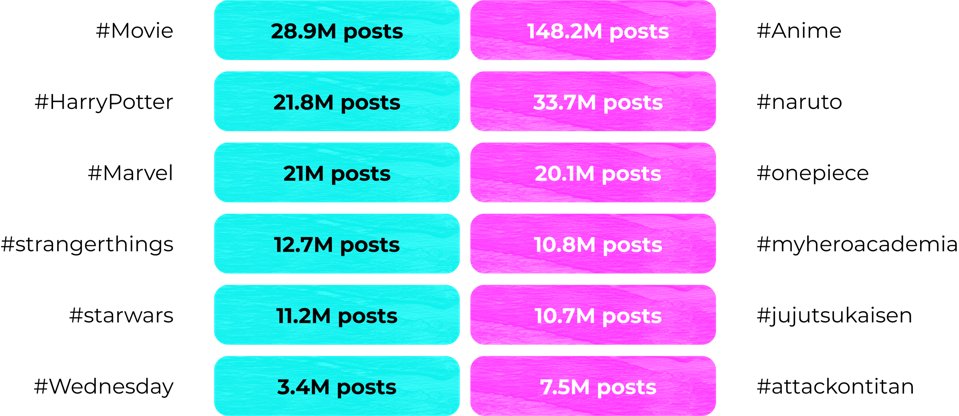
This changed what it meant to be an anime fan. The audience became part of the circulation of anime itself. Fans recommended series to friends, produced content around them and created communities that introduced newcomers to the medium. The line between consumer and participant became increasingly difficult to draw.
That cultural infrastructure helped anime sustain itself internationally even when individual shows disappeared from television schedules. The audience was no longer dependent on one particular distribution channel.
Anime as a Way of Encountering Japan
Anime also became one of the most influential ways international audiences encounter Japanese culture. For someone who has never visited Japan, anime can provide their first images of Japanese streets, schools, food, festivals, architecture or social customs.
That does not mean anime provides an accurate picture of everyday life. A fictional high school drama is not ethnographic evidence and a fantasy series may transform Japanese mythology beyond recognition. Even realistic anime filters everyday life through the choices of writers, directors and artists.
But cultural influence does not require perfect accuracy.
People often encounter other cultures through media before they encounter them directly. Anime can provide enough context for a viewer to become curious about Japanese food, language, history or geography. A series can turn an unfamiliar place into somewhere emotionally recognizable.
Language provides an especially interesting example. Terms such as senpai, sensei, tsundere, isekai and shōnen have circulated internationally through anime and manga. Fans do not necessarily need an English replacement for these words because their Japanese form has become part of the vocabulary of the fandom.
This creates a two-way process. Anime introduces Japanese cultural references to international audiences, while those audiences reinterpret them through their own languages and experiences. The result is not a single global understanding of Japan. Instead, different audiences develop their own relationships with Japanese culture through the media they consume.
Influence: When Anime Became a Creative Language
What Actually Travels When a Style Travels?
Anime's influence is often described in terms of appearance. An artist draws large eyes, colorful hair or exaggerated expressions and the work is called anime-inspired. But the deeper influence of anime is harder to see because it concerns how animation communicates.
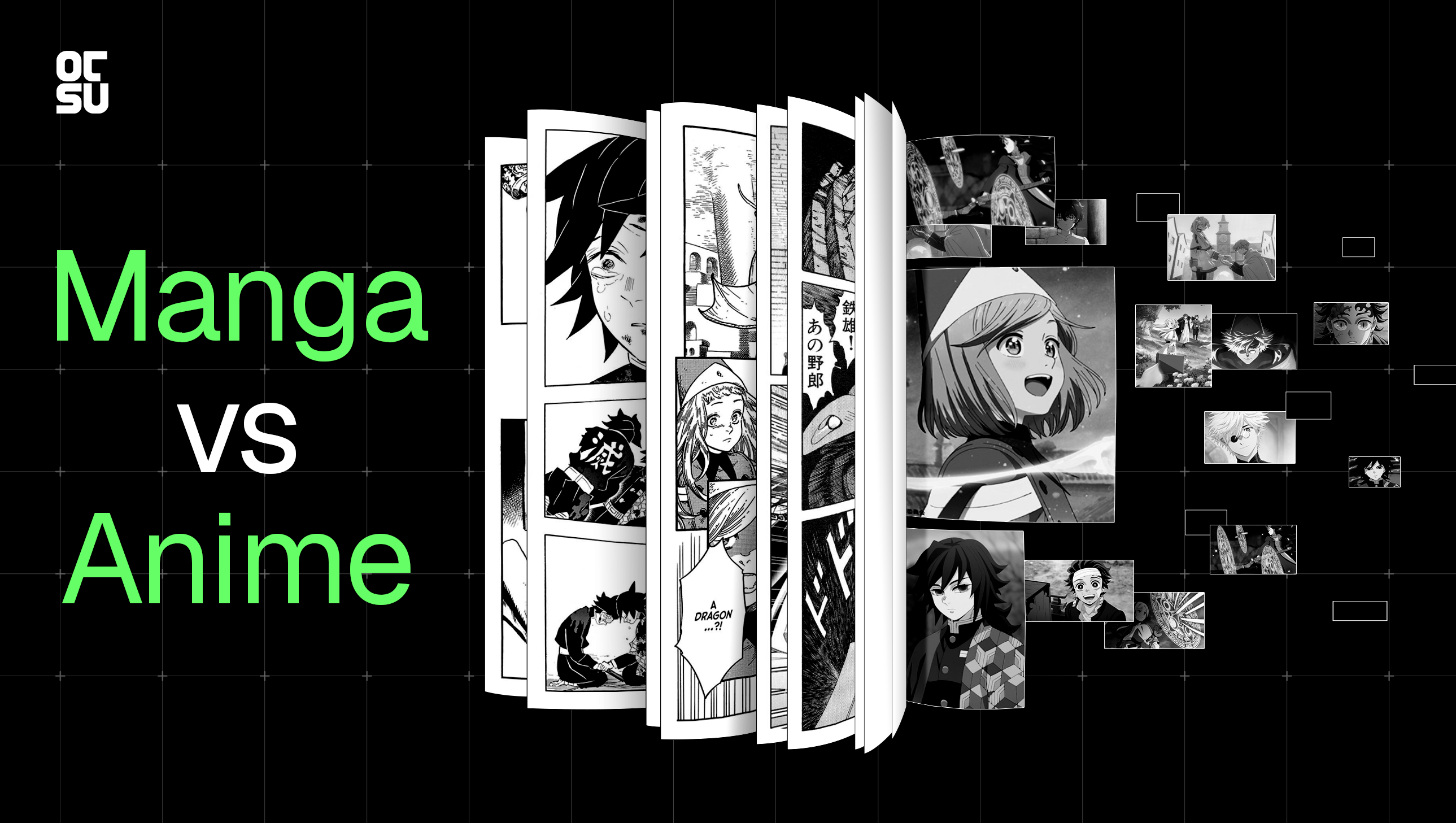
Creators around the world have studied anime's approaches to timing, posing, limited animation, visual exaggeration, camera movement and character acting. Manga has also influenced approaches to composition, panel transitions and the relationship between still images and movement.
These ideas can be separated from the surface appearance of anime.
An animator might be interested in how a character's pose changes between two key drawings rather than copying a particular character design. A director might study the way anime uses stillness before a sudden burst of movement. An artist might borrow manga's approach to framing while using an entirely different drawing style. This is how creative influence usually works. Artists rarely absorb an entire medium unchanged. They select techniques that solve problems in their own work.
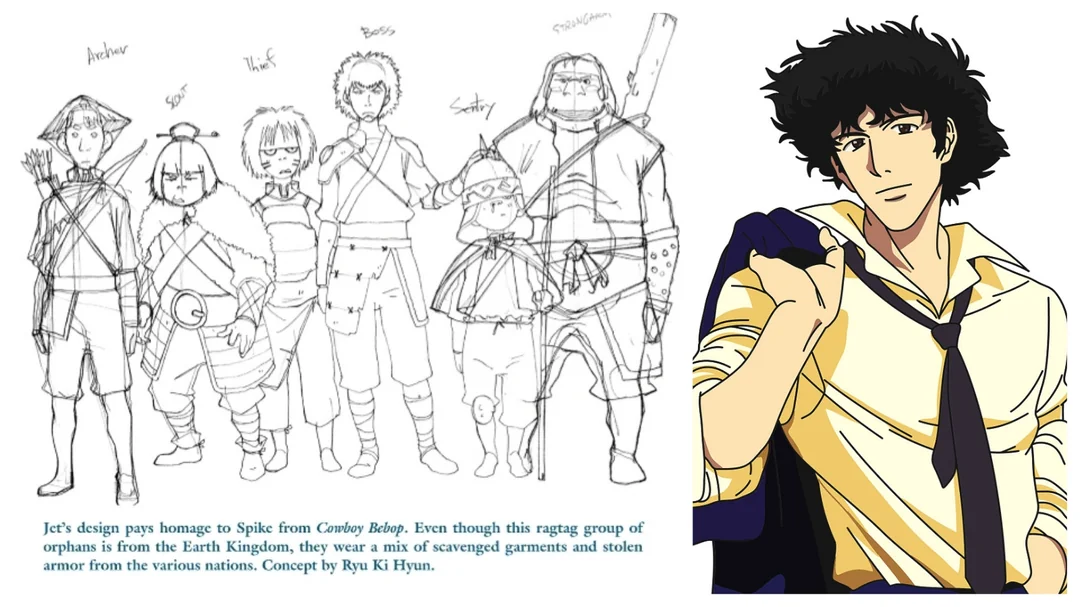
That is also why anime's influence can be found in productions that do not look conventionally “anime” at all. Its contribution may exist in the movement, editing, staging or visual storytelling rather than in the character designs.
Anime became influential when its methods became useful to creators who were not working within Japan's animation industry. For a broader look at how animation itself has evolved across different artistic traditions, see our article on History of Animation: 130 Years in the Evolution of Motion.
The Influence Escaped Animation
Once those ideas entered the wider creative world, anime's influence stopped being limited to animated television and film.
Video games have been particularly receptive to anime's visual language. Character designs, exaggerated action, dramatic expressions and serialized storytelling often move between anime and games. In some cases, the relationship is so close that it becomes difficult to say which medium influenced the other. To see how this anime-influenced visual language translates specifically to games, explore 2D Animated Game Trailer: Main Types and Why They Work.
Music videos have also used anime-influenced imagery to create a particular emotional or stylistic effect. Advertising can use the visual language because it already carries associations with youth culture and online fandom. Fashion brands have recognized that anime characters and imagery can function as recognizable cultural symbols. For a closer look at anime’s influence on music videos and brands, see Why Anime-Style Storytelling Is Winning Music Videos and Brand Campaigns.
The important point is not that all of these industries suddenly started “looking like anime”. Their relationship with anime is more selective.
A game might borrow the structure of an anime-style character ensemble. A music video might use exaggerated animation to convey emotion that would be difficult to capture with live action. An advertisement might reference a familiar visual convention because audiences immediately understand what it signifies.
Anime therefore became a toolbox. Creators could take elements from it without adopting the entire medium. This made its influence much more difficult to measure because it could appear in places where the audience might not even consciously recognize its source.
When Anime Influence Becomes Local
The next stage of globalization happens when creators stop simply imitating anime and begin adapting its ideas to their own traditions.
This is why the distinction between “anime” and “anime-inspired” can become complicated. A production made outside Japan may clearly draw from Japanese animation while still reflecting the artistic traditions, storytelling priorities and production practices of its own country.
Avatar: The Last Airbender is a well-known example of American animation drawing heavily from anime while developing its own identity. Elsewhere, artists and studios across Asia have developed their own relationships with Japanese animation, sometimes through collaboration and sometimes through independent development of shared influences.
The same process can happen at an individual level. An animator might grow up watching Japanese animation, enter a local animation industry and bring some of those influences into their professional work. Eventually, those influences become part of their own artistic vocabulary rather than something they consciously think of as foreign.
This is where cultural influence becomes difficult to separate from cultural creation. Once an idea has been absorbed and transformed by another community, it no longer belongs exclusively to the culture that first popularized it. Anime can remain distinctly Japanese while also becoming one of the influences through which artists elsewhere develop their own identities.
Marketing: When Anime Became a Global Business
The Problem of Selling Something Foreign
Cultural popularity alone does not guarantee global success. A work still needs to reach audiences and reaching those audiences requires decisions about translation, distribution and presentation.
Anime faced a particular challenge because its Japanese identity could make it less immediately familiar to international viewers. Earlier localization often adapted names, dialogue and cultural references to fit local expectations. This could make a show easier to understand, but it could also obscure the cultural context that made the original distinctive.
Over time, the expectations of anime audiences changed. Fans who had access to Japanese releases through the internet became more comfortable with untranslated terms and unfamiliar cultural references. Subtitles became more widely accepted. Japanese names were often retained. Viewers became more willing to look up a reference instead of expecting the production to explain or replace it.
This changed the relationship between localization and cultural identity. A global product does not always need to hide where it came from. In anime's case, its Japanese identity can itself be part of the appeal. International audiences may actively seek out the original voice performances, terminology and cultural details because those elements signal authenticity.
That is an important shift in the logic of global marketing. Instead of asking how to make anime feel less foreign, distributors increasingly have an incentive to make the foreignness accessible without removing it.
From Imported Shows to Global Franchises
Anime also became easier to market internationally because many of its biggest properties were never limited to animation.
The franchise model creates multiple points of entry. Someone can encounter a character through a game, manga, trading card, toy or piece of merchandise before ever watching the anime. The anime can then strengthen the audience's relationship with the broader property.
Pokémon demonstrates the scale of this model. Its worldwide success is not the result of the television series alone. The games, trading cards, merchandise and other products constantly reinforce one another, giving audiences different ways to interact with the same fictional world.
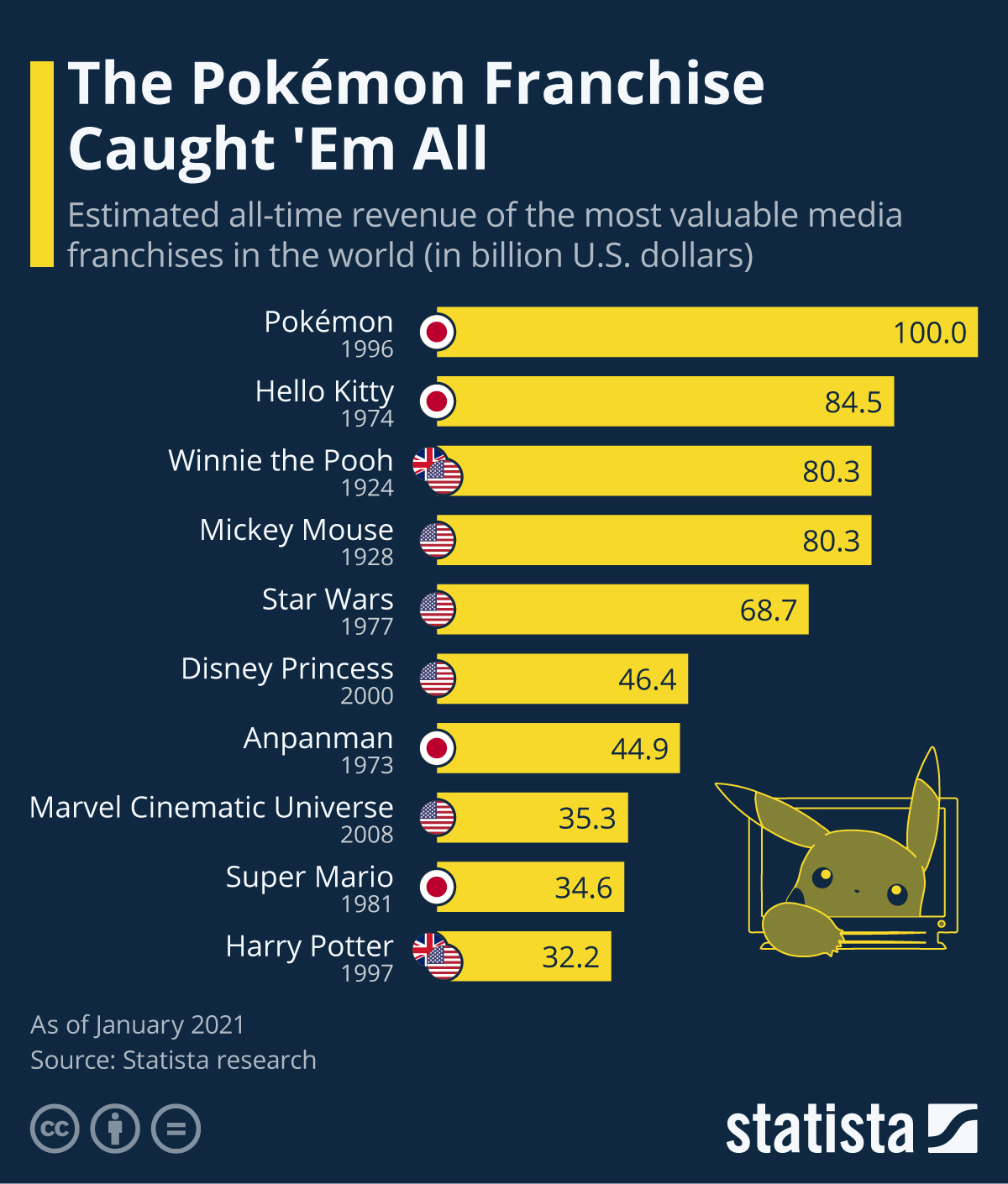
Other franchises operate differently, but the principle remains important. Anime can function as part of a much larger entertainment ecosystem rather than as a self-contained product.
This has consequences for how companies assess anime's value. A series does not have to generate all of its revenue directly through television or streaming. Its characters can support games, merchandise, music, theatrical releases and collaborations.
International popularity therefore becomes valuable even when the audience is not directly paying to watch the show. The more successful this model became, the more attractive anime became to companies that previously viewed Japanese animation as a niche market.
Streaming Made the Audience More Global
Streaming changed the economics of that market because it removed many of the geographic barriers that had shaped anime distribution.
Traditional television required separate licensing deals and local broadcast schedules. A series might be widely known in Japan while remaining almost invisible in another country because it had not yet been licensed there. Physical releases could reach international fans, but they were slower and more expensive.
Streaming dramatically reduced that distance. A series can now reach audiences across many countries around the same period. International viewers can participate in discussions while a show is still airing in Japan, rather than discovering it months or years after the domestic audience has moved on.
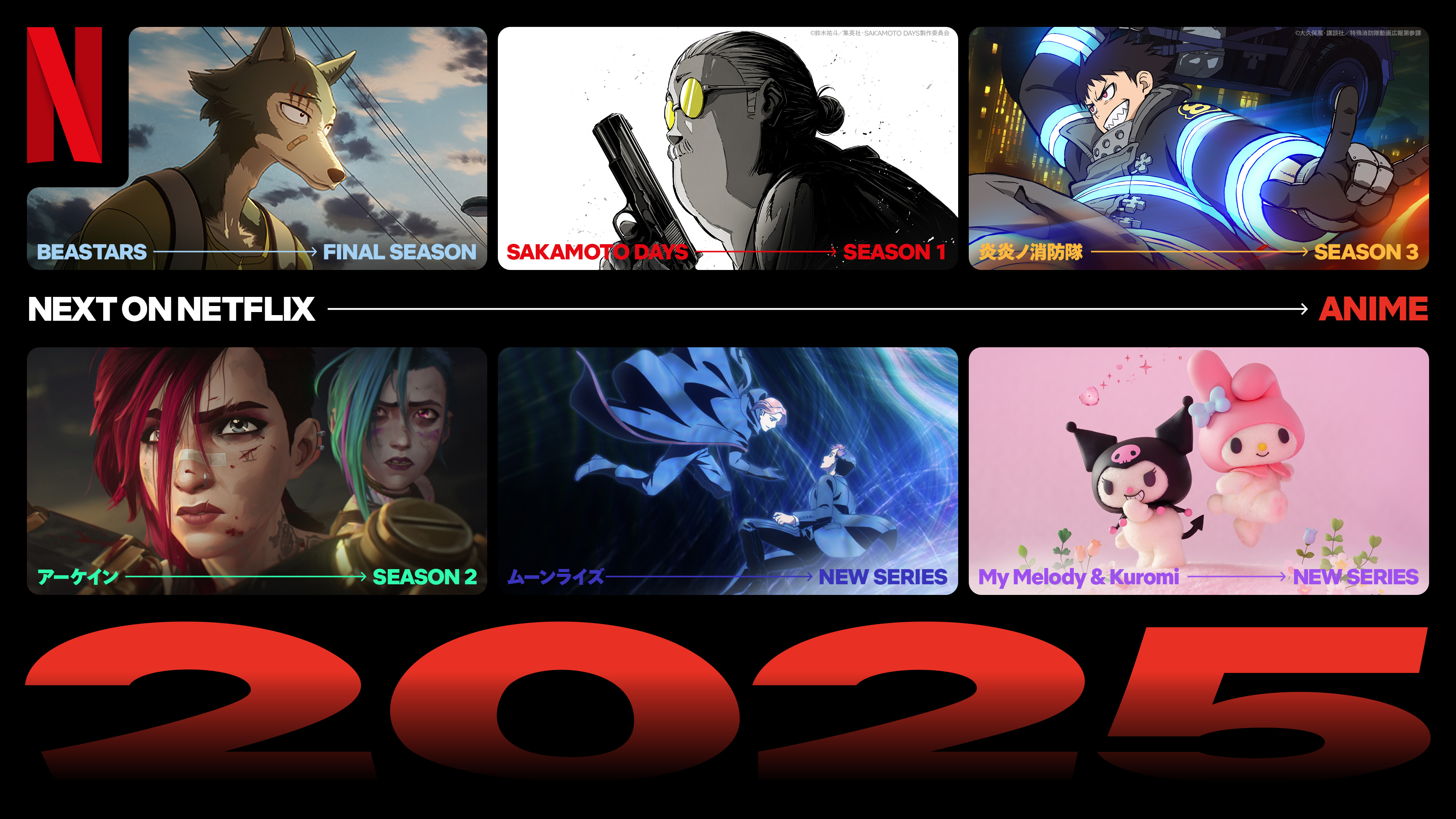
This creates a new kind of global audience. International viewers are not simply receiving older Japanese media after it has completed its domestic run. They can become part of the audience for a series while it is still being produced and discussed.
That changes the commercial calculation. An overseas audience can contribute to the perceived value of a project from the beginning. International streaming rights, theatrical distribution and merchandise can become part of the broader business case for a property.
The global market is therefore no longer simply an extra destination for anime. It has become part of the environment in which anime is valued.
The Feedback Loop: When Globalization Starts Changing Anime
Audiences Create Demand
Once culture, influence and marketing begin interacting, globalization becomes a feedback loop. Fans create visibility. Visibility brings new viewers into the medium. A larger audience creates stronger commercial incentives for distributors and platforms. Greater investment makes more anime available internationally, which introduces even more people to the medium.
This process can also affect what audiences expect. International fans may become interested in particular genres, creators or production styles that previously had limited visibility outside Japan. Online discussion can draw attention to individual animators and directors rather than only the studios or characters associated with a series.
The result is a more informed international audience that can influence what becomes visible within anime culture. This does not mean overseas fans directly control what Japanese studios produce. The Japanese market remains enormously important and anime production is shaped by many factors that have nothing to do with international demand. But the global audience is now too large to ignore.
Creators Begin Looking Outward
Globalization also changes the creative environment around anime.
International creators who grew up watching Japanese animation may eventually enter the industry themselves. Some work outside Japan while drawing from anime. Others collaborate directly with Japanese studios or contribute to productions made for international audiences. Studios around the world are now developing their own approaches to anime, from direct collaboration with Japan to independently produced anime-inspired work. See Anime Studio Outside Japan: How a Word Outgrew Its Borders for examples. These are connections that did not exist when anime was primarily treated as an imported form of entertainment.
At the same time, Japanese creators are increasingly aware that their work can circulate immediately among audiences with very different cultural backgrounds. A visual reference that seems obvious to a Japanese viewer may be interpreted differently elsewhere. A genre that was once considered niche can develop a large international following.
Anime Becomes Global Without Becoming Generic
There is a temptation to assume that globalization works by making cultural products more universal. Anime suggests something different.
The medium has become internationally successful while retaining many of the qualities that identify it with Japan. Japanese language, visual conventions, production practices and cultural references remain central to how anime is understood.
That specificity may actually be one of the reasons anime travels so well. Audiences do not necessarily want every piece of entertainment to resemble the culture they already know. Part of the attraction of anime is the opportunity to enter a different cultural and artistic environment. Its unfamiliarity can be a source of curiosity rather than a barrier.
At the same time, international audiences do not simply absorb anime unchanged. They interpret it through their own cultures, create communities around it and use its ideas in their own work. That tension is what makes anime's globalization so interesting. It has become more universal without becoming culturally neutral.
What It Means for Anime to Be Global
Anime's globalization is therefore more complicated than the story of Japanese animation finding an audience overseas. Its success came from changes in the relationship between the medium and the world around it.
Audiences turned anime into communities and incorporated its references into their own cultural lives. Creators absorbed its visual ideas and transformed them into work that could belong to entirely different artistic traditions. Companies developed new ways to localize, distribute and monetize anime across international markets. Eventually, these forces began reinforcing one another.
That is a different kind of globalization from simply exporting entertainment. Anime has become part of the cultural vocabulary of people who did not grow up with it. It has become a source of creative ideas for artists who work outside Japan as well as a commercial category with international value before a series even reaches its first overseas audience.
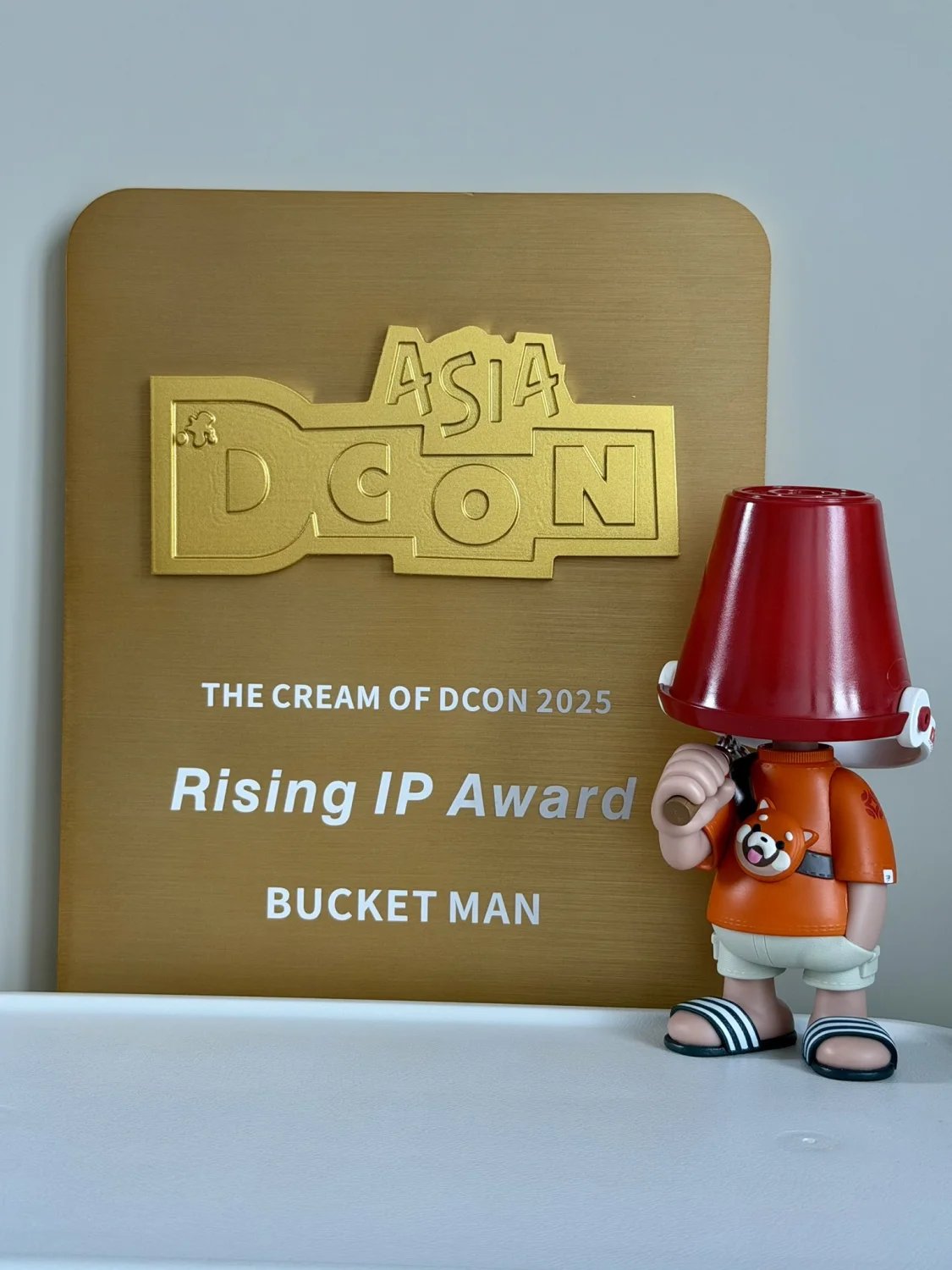
This global exchange is part of what makes anime-style animation exciting to us. As an international animation production studio, we bring together creators from around the world to work on projects that can travel across borders. If you are developing an anime-style project, looking for animation production support or simply want to explore what we could create together, get in touch with Otsu Animation. We'd love to hear about your project and see where your ideas can go.