Working With an Animation Studio: The Process From Brief to Final Delivery
Having a brief is the easy part. Knowing what an animation studio does with it and what happens next, is where most first-time clients get stuck. An animation studio does far more than draw: it plans, designs, produces and delivers a finished film on a schedule. This guide walks through the whole process, from the first message to the final file.
WHAT DOES AN ANIMATION STUDIO ACTUALLY DO?
An animation studio turns an idea into a finished animated film. That sounds simple, but "animating" is only one part of the work. The studio also plans the project, designs the look, writes or fixes the script, builds the schedule and checks the quality at every step.
Think of it as a small factory with a creative director on top. You bring the idea, the goal and the audience. The animation studio brings the people and the process to make it real. Most clients only see a few moments of that process, which is why it can feel like a black box.
WHO IS INSIDE AN ANIMATION STUDIO?
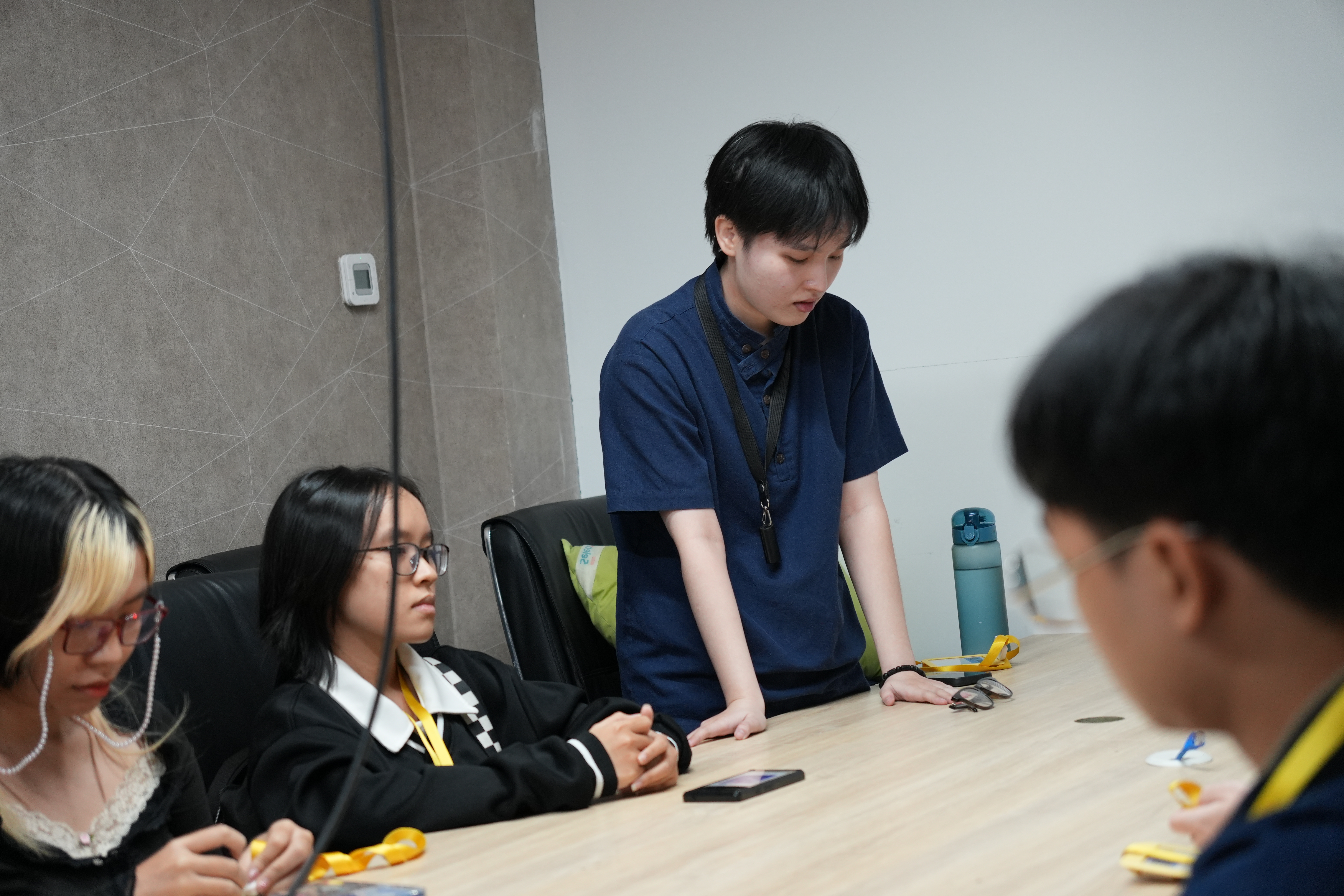
A good animation studio is never one person. Each role covers a different part of the work:
- Director: owns the creative vision and makes the final calls on how the film looks and feels.
- Producer: manages the budget, the schedule and communication with you.
- Designers and concept artists: create the characters, backgrounds and overall style.
- Storyboard artists: turn the script into a sequence of drawn shots.
- Animation Director and Animators: bring the characters and scenes to life, frame by frame.
- Compositors and sound designers: add final polish, effects, music and sound.
In smaller teams, one artist may cover several of these roles. That is normal. What matters is that every step has someone responsible for it.
THE PROCESS, STEP BY STEP
STEP 1: THE BRIEF AND KICK-OFF
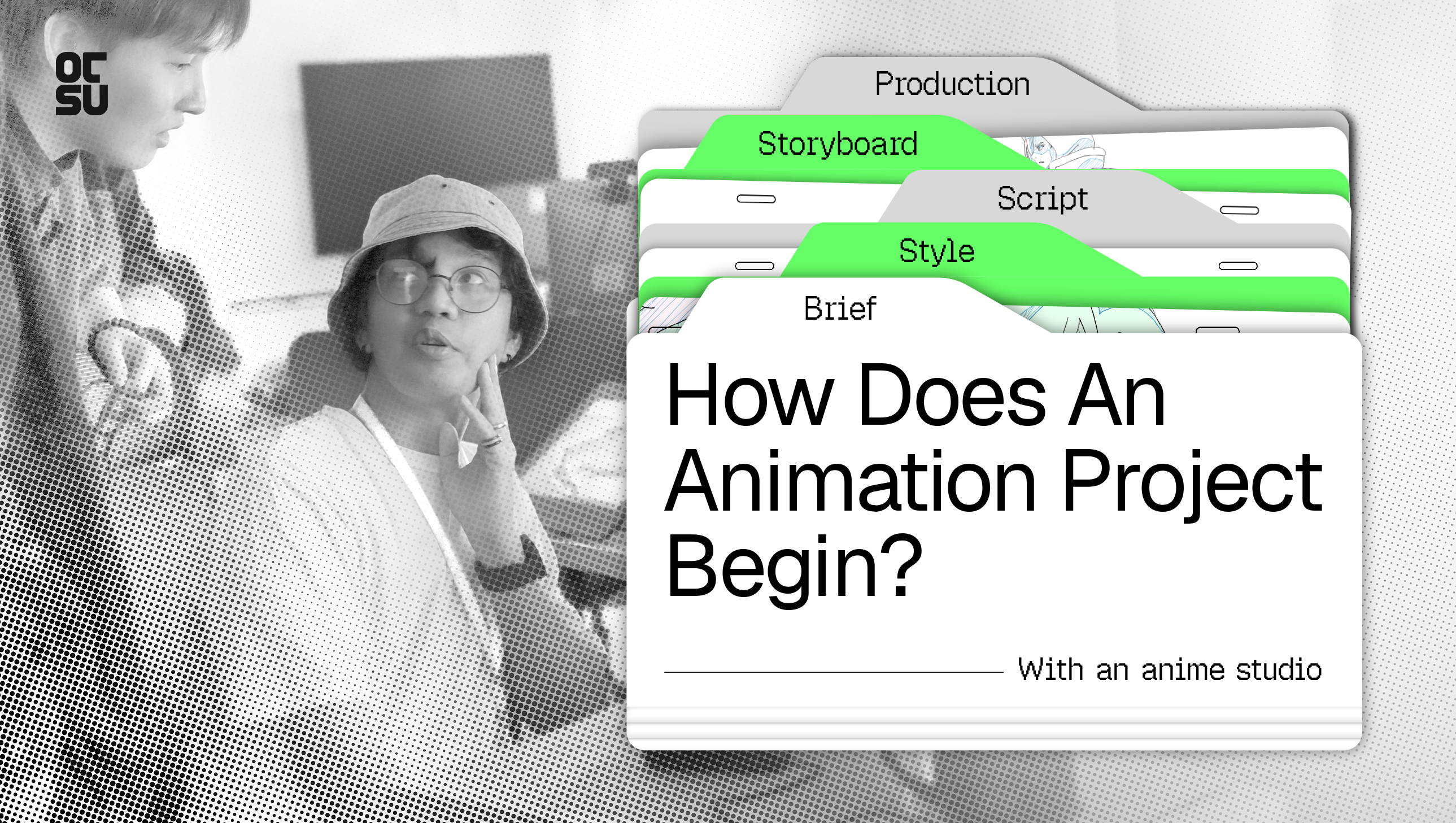
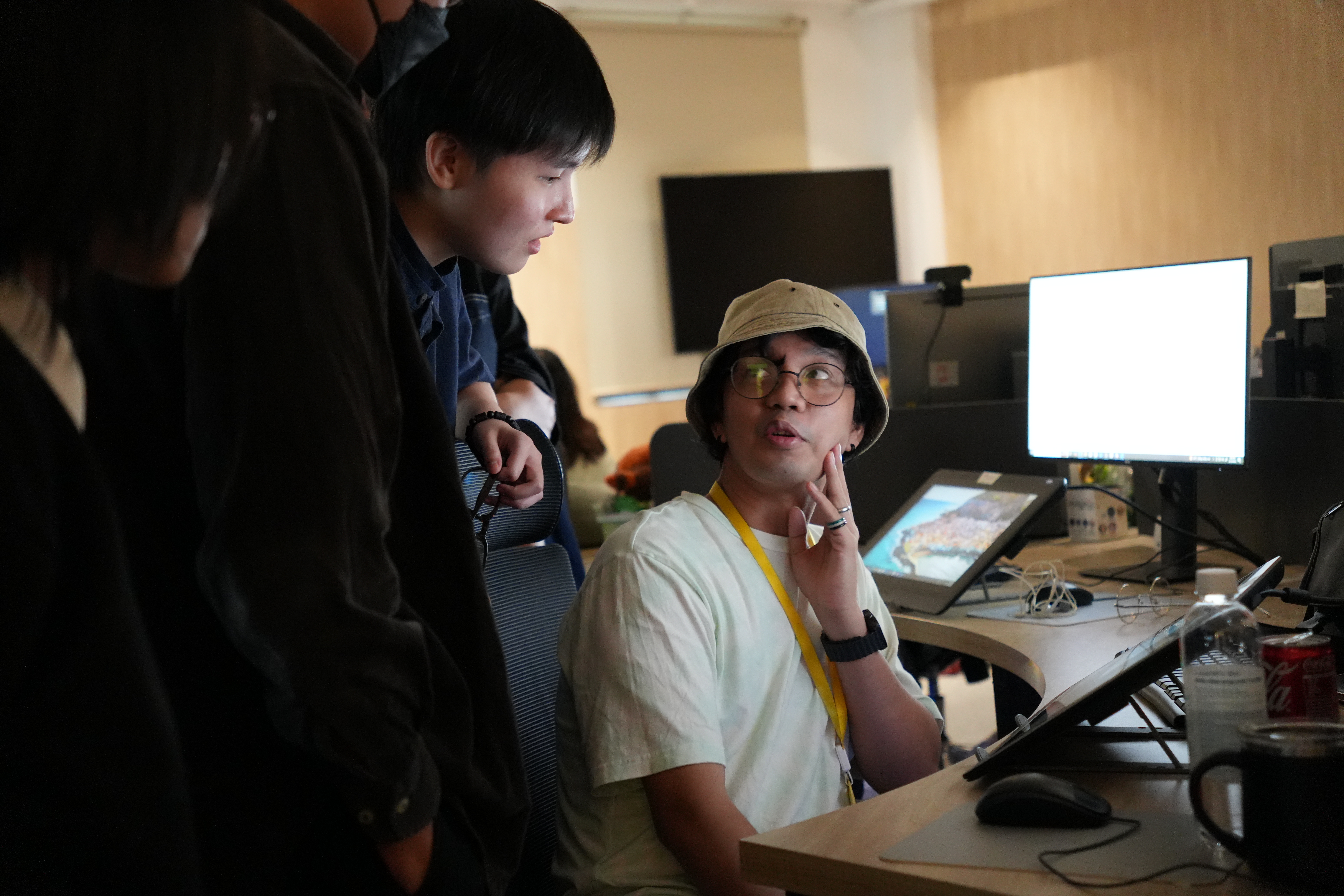
Every animation studio project starts with a conversation. The studio asks about your goal, your audience, where the film will be shown and your budget, deadline. This is often called the brief.
After that, there is usually a kick-off. You meet the director and producer, agree on creative goals and go through the review plan. In other words, you learn how the process works before any drawing begins. For an anime studio, this is also where the look is discussed: how close to classic anime you want to go and which shows or music videos you have in mind.
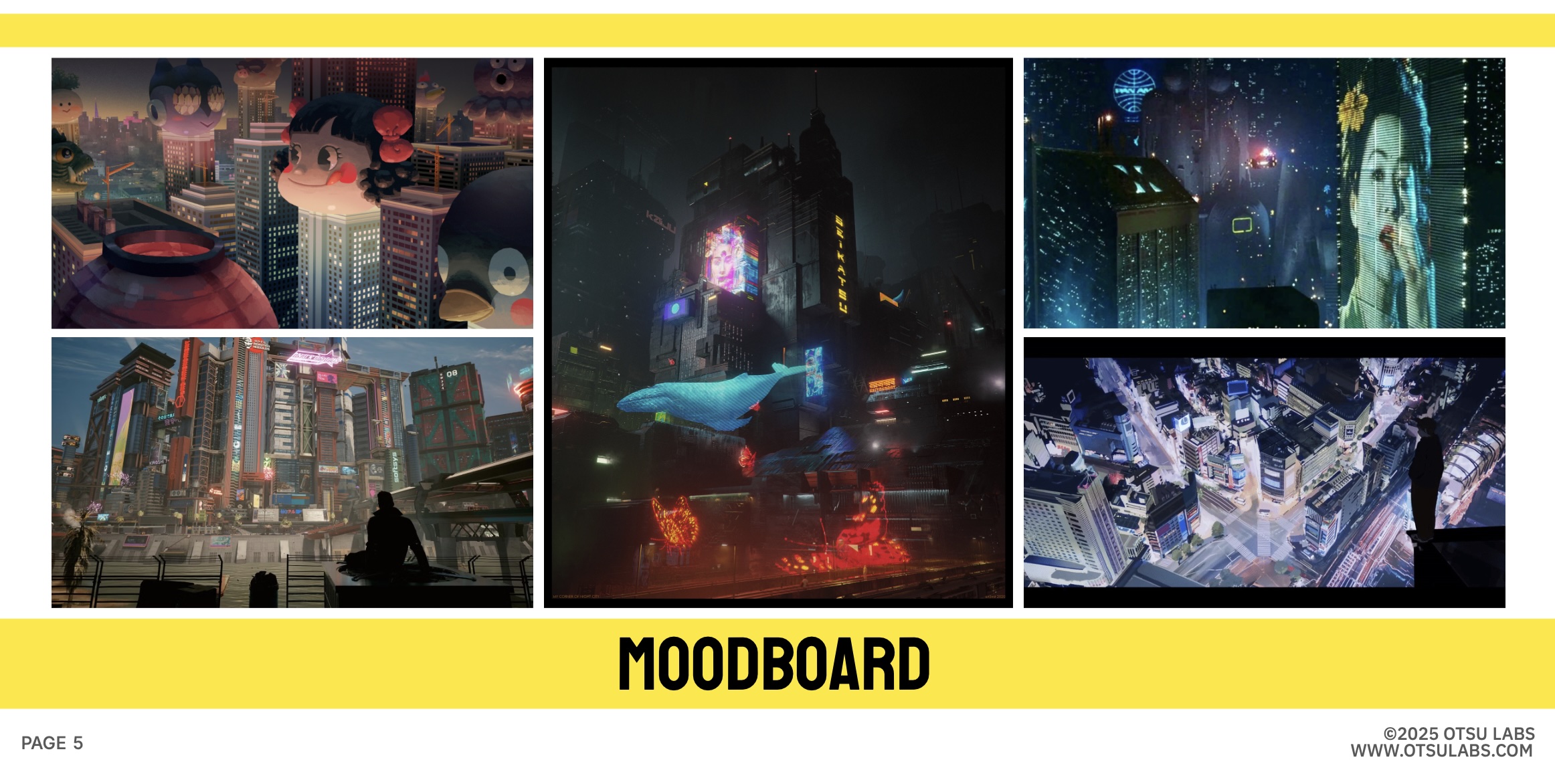
You can help here by sharing references. A few films, ads or images you like tell the studio more than a long description.
STEP 2: STYLE AND SCRIPT
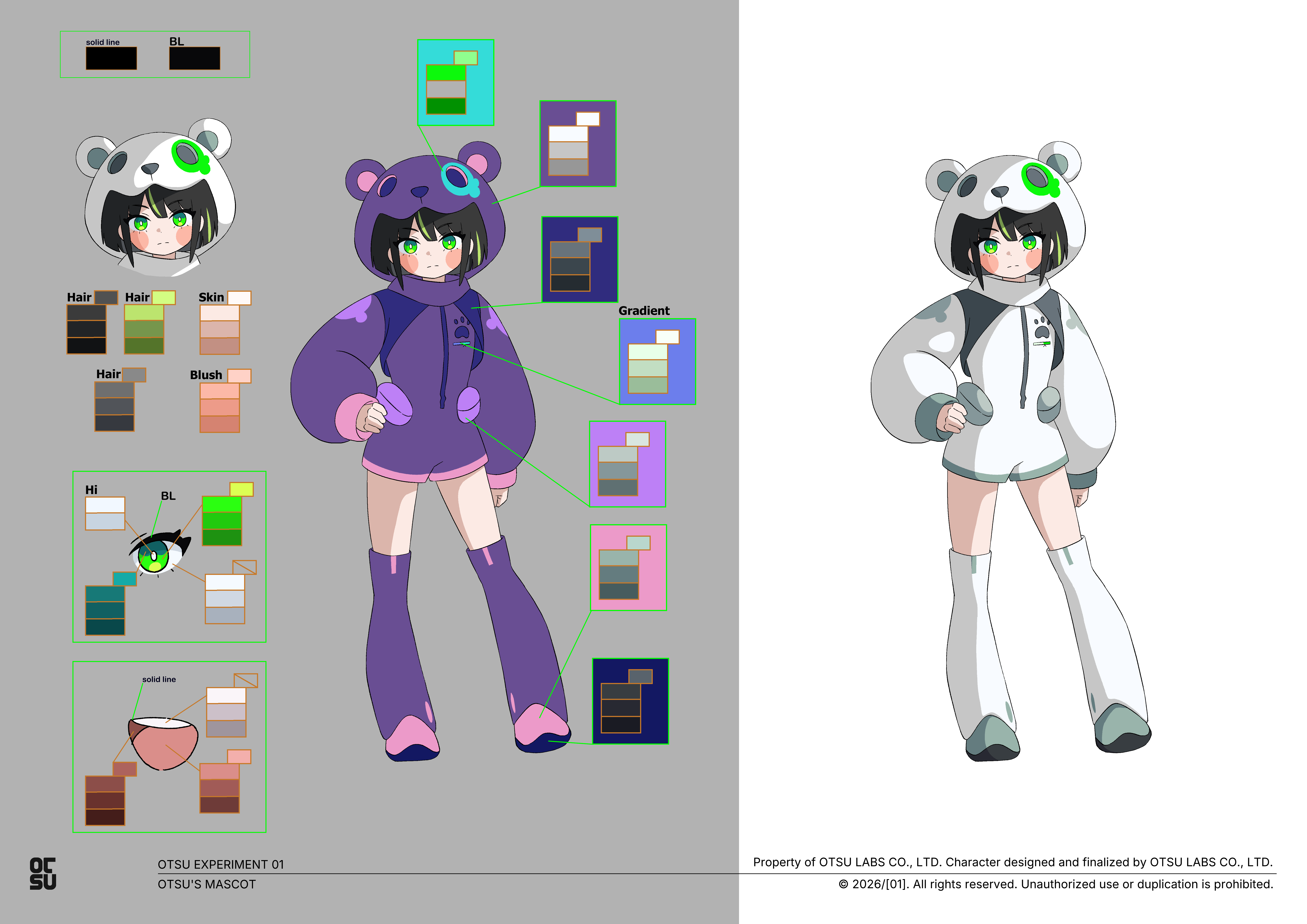
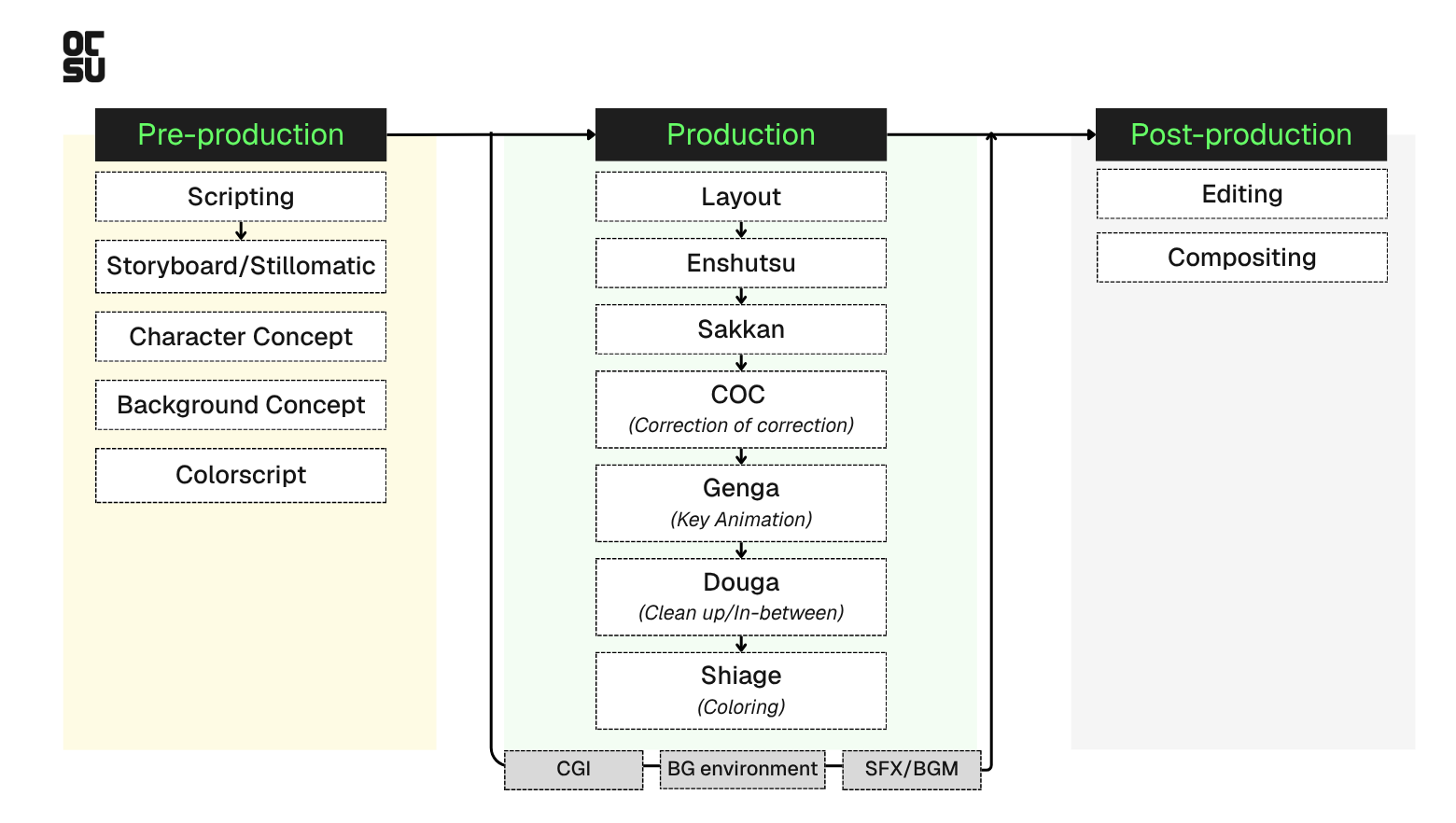
Next, the animation studio defines the look and the story. These two steps often happen together. In an anime studio, the look is locked through character design (settei), color choices and style references. Every artist who joins later will draw from these sheets.
The script is either refined from your draft or written from scratch. A good director also adjusts it for animation. Some ideas read well on paper but are hard to show in motion and it is cheaper to find that out now.
Approve the style carefully. Everything after this step is built on it, so big changes later mean redoing work. Take your time here.
STEP 3: STORYBOARD AND ANIMATIC
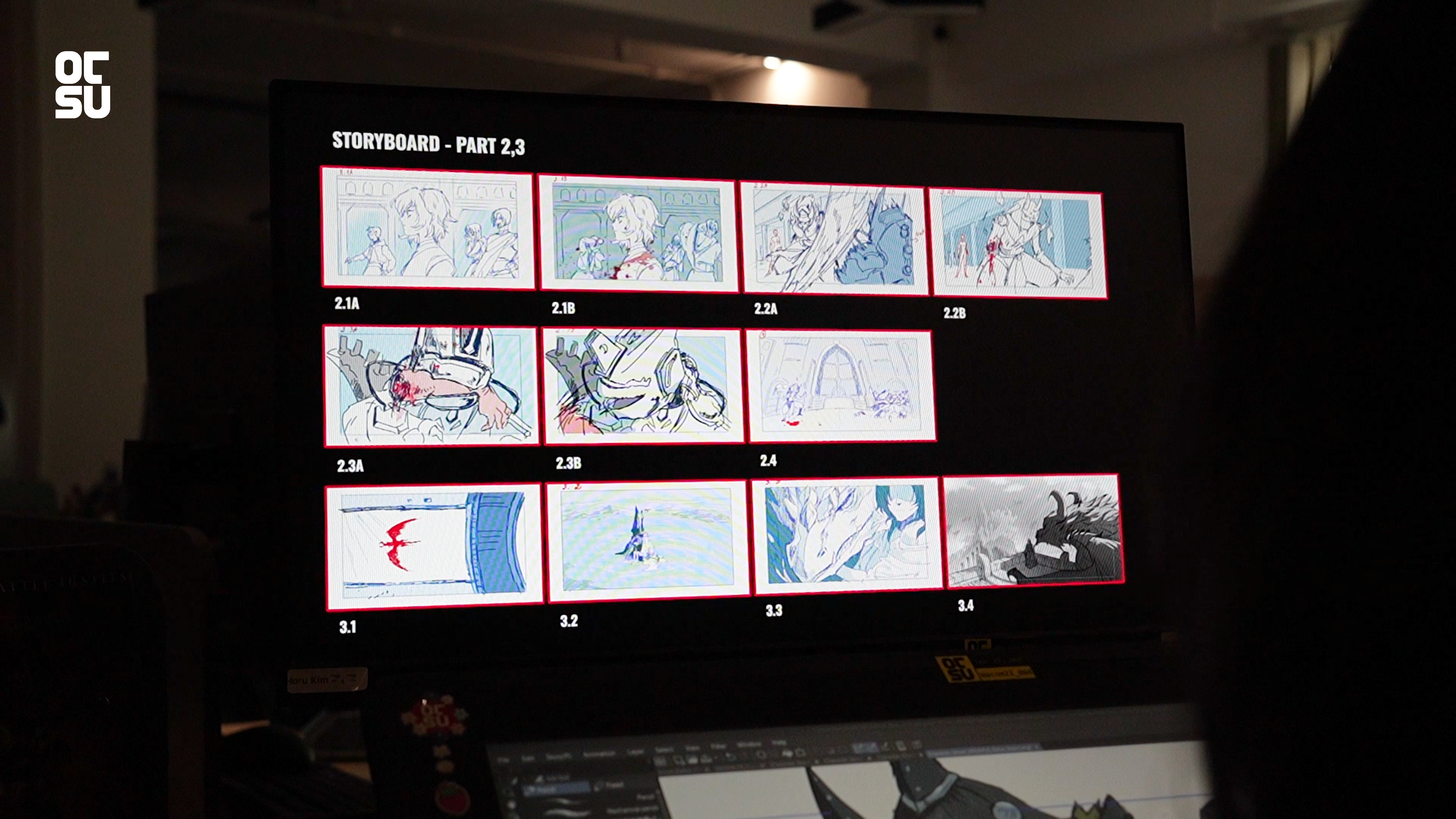
The storyboard (ekonte in Japanese anime) shows the film as a series of drawn shots. It covers the key scenes, camera angles and actions. It is the first time you can "see" the film.
The animatic comes next. It places the storyboard on a timeline with rough sound, so you can feel the pacing and the length. If a scene drags or a joke does not land, this is where you will notice.
This is the best moment for feedback. Changing a drawing on a storyboard is quick. Changing finished animation is slow and costly.
STEP 4: PRODUCTION
This is the stage most people imagine when they think of an animation studio. The team animates the approved designs and story, shot by shot.
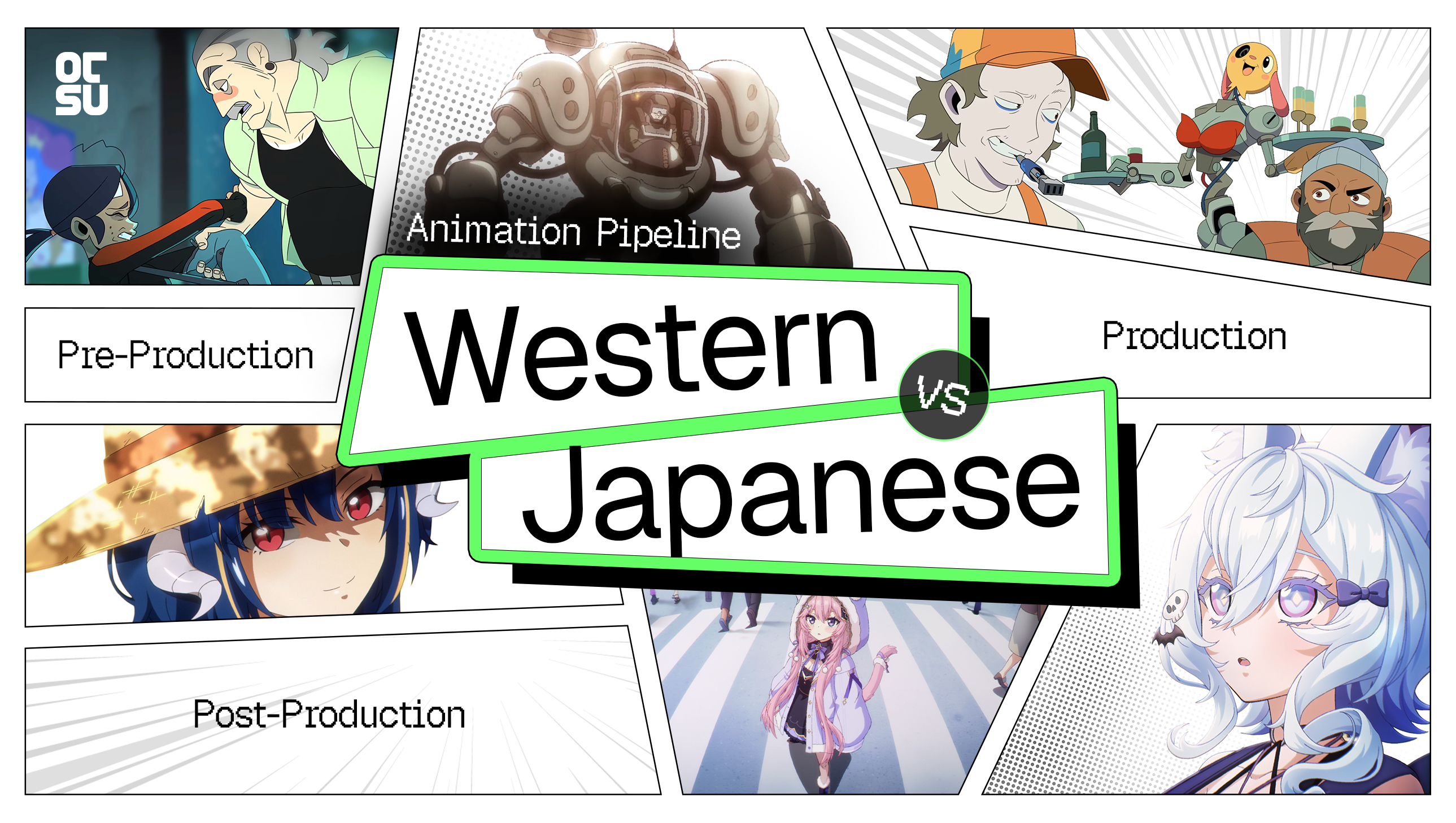
In an anime studio, the work usually runs through the pipeline: layouts, key animation (genga), in-betweens (douga), backgrounds, coloring and compositing. Each step feeds the next one, which is why a clear schedule matters. A supervisor, called a sakkan (chèn internal link bài sakkan), also corrects the drawings so the characters stay on-model from cut to cut.
During production, you are mostly hands-off. Good studios still send progress updates, so nothing comes as a surprise at the end.
WHAT CLIENTS CAN DO TO MAKE THE PROCESS SMOOTHER
Working with an animation studio goes faster when the client side is organized. A few habits help the most:
- Name one decision-maker. Mixed feedback from many people slows every round.
- Send feedback in one list. One consolidated message is clearer than five separate ones.
- Share references and brand files early. Logos, colors and examples save time.
- Review at each approval point. Late changes are the most expensive ones.
- Tell the studio your deadline and platform on day one. Format and length can change the whole plan.
HOW LONG DOES IT TAKE TO WORK WITH AN ANIMATION STUDIO?
There is no single answer. Length, style, and team size all change the timeline. Anime-style work is drawn shot by shot, so a short film or music video usually takes longer than a simple motion graphics video of the same length.
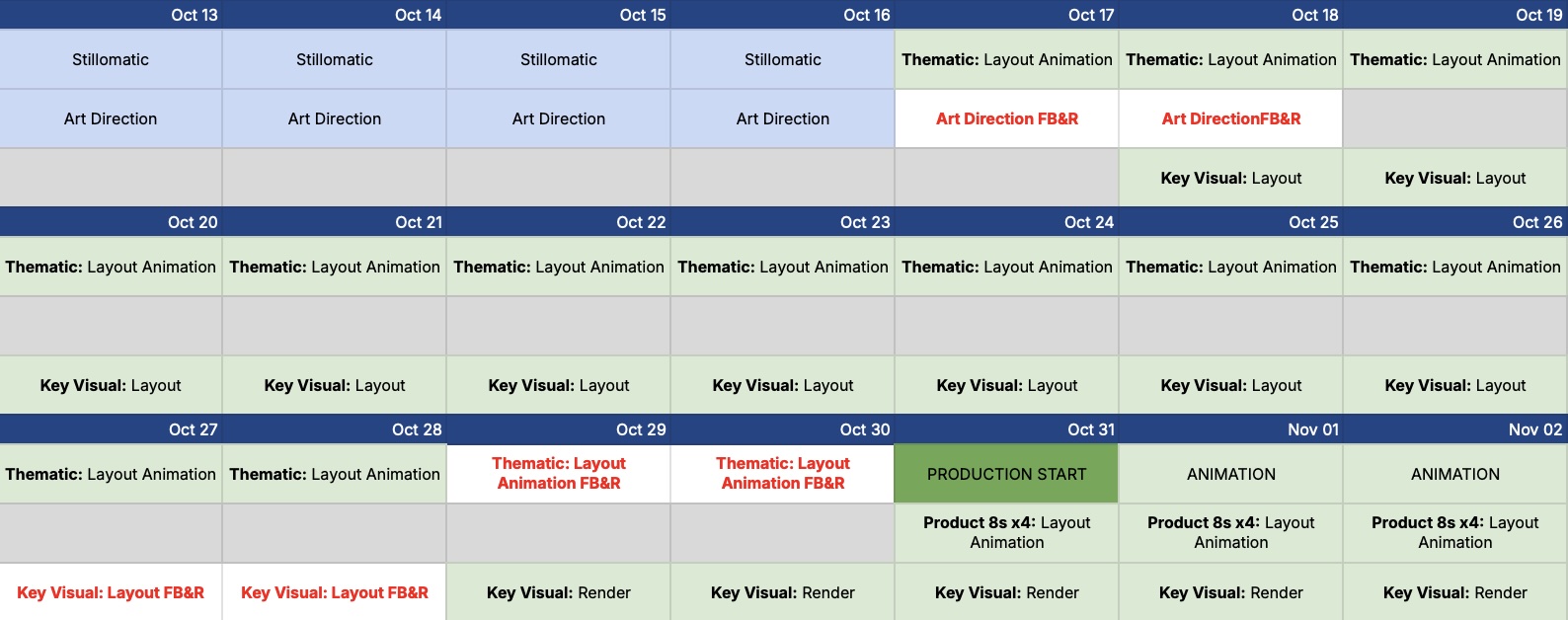
The honest way to plan is to ask your animation studio for a schedule with milestones. Then add a little extra time for your own review rounds. Client feedback time is a common reason projects run late.
HOW OTSU ANIMATION WORKS WITH CLIENTS
At Otsu Animation, we are an animation studio focused on anime-style storytelling. Our process follows the same logic described above: understand the goal, lock the look and story, then produce and review step by step.
Our artists are trained as all-rounders, so we can move people to the stage that needs hands at any moment. That keeps a project moving and helps protect the schedule. You can see how this works in projects like Nova Thera and the BucketMan x HSBC TVC.
If you have an idea and want to see how an animation studio would approach it - Contact Otsu Animation now.
What does an animation studio do?
An animation studio plans, designs and produces animated films for clients. That includes concept and style, script support, storyboards, animation, sound and final delivery.
What is the first step when working with an animation studio?
It starts with a brief and a kick-off call. The studio asks about the project's goal, audience, budget and deadline, then explains how the work will run.
What should be prepared before working with an animation studio?
Usually a clear goal, an idea or script draft, references and brand assets. A single decision-maker on the client side also helps a lot.
How many revisions do animation studios allow?
It depends on the studio. Most work in rounds, often tied to each stage. Ask for the revision policy before signing.
How long does an animation studio take to finish a project?
There is no fixed number. Length, style and detail all change it and anime-style animation usually takes longer than simple motion graphics. Ask the animation studio for a schedule with milestones.
How do I choose an animation studio?
Look at their past projects, check if their style matches your idea and ask how they handle schedules and revisions. A clear process is a good sign.