It’s Not The Art Style: What Really Makes An Anime Studio Recognizable
Hundreds of new anime series are released every year, and somehow anime fans can often tell which studio made a show within minutes before the credits have even rolled. The obvious explanation would be art style, but many studios change their look from project to project, and some of the most recognizable ones are not defined by how they draw at all.
Does an Animation Studio Have Its Own Style?
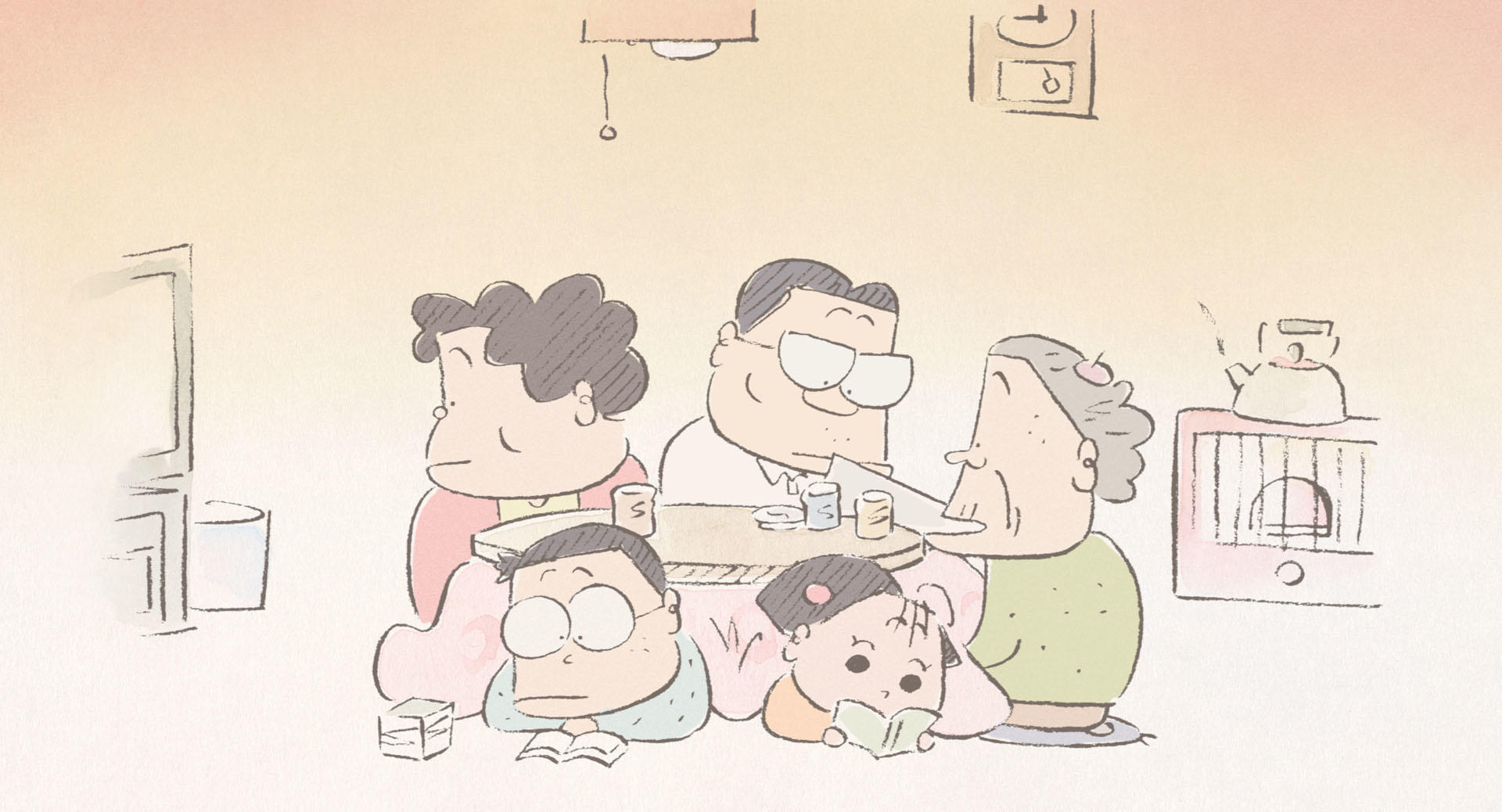
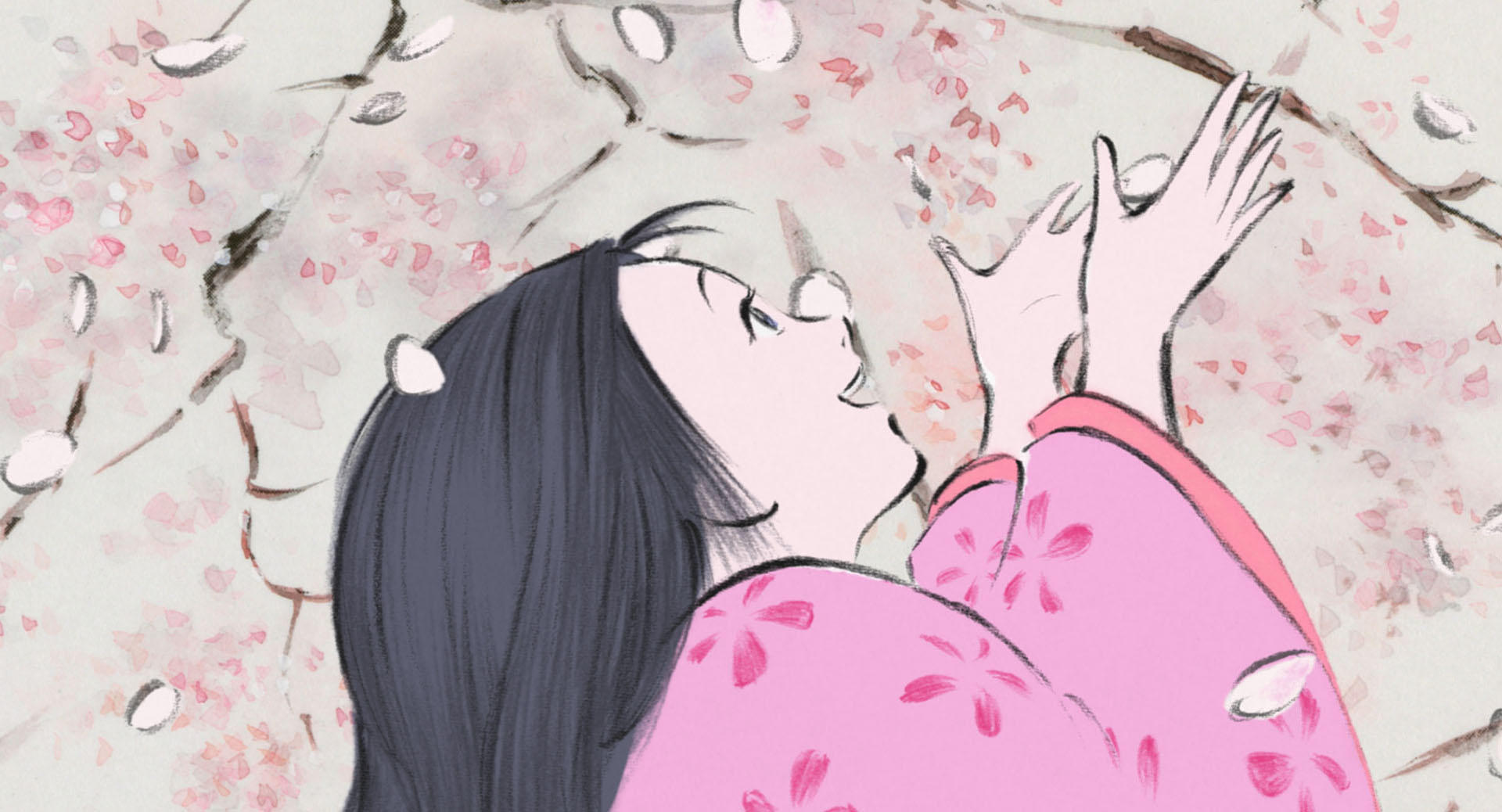
When people talk about a studio’s “signature style”, what they usually mean is the style of one person who happens to sit at the center of it. Studio Ghibli is the clearest example. Although the studio was co-founded in 1985 by Hayao Miyazaki, Isao Takahata and producer Toshio Suzuki, the look most audiences picture when they hear the word “Ghibli” (soft, rounded characters, lush hand-painted landscapes, lovingly detailed food) is essentially Miyazaki’s. The best evidence comes from what happens when someone else takes the director’s chair: Takahata’s My Neighbors the Yamadas (1999) adopts the loose, comic-strip look of its source material, while The Tale of the Princess Kaguya (2013) unfolds in sketchy charcoal lines and watercolor washes that feel closer to a moving scroll painting than to My Neighbor Totoro. Both films carry the Ghibli name, yet neither looks like what most people would call a “Ghibli film”, which suggests that the style belongs less to the studio than to the director most associated with it.
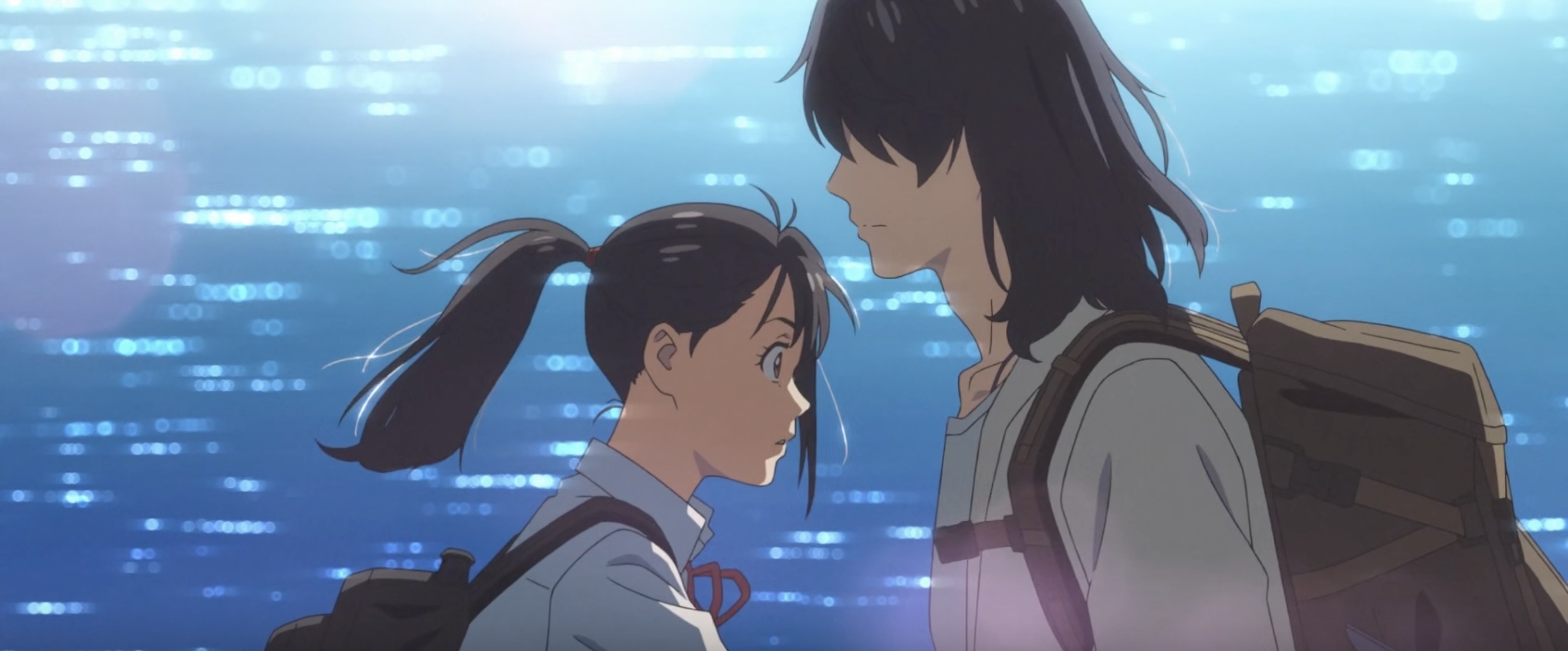
The same logic explains why audiences speak of “a Makoto Shinkai film” rather than “a CoMix Wave Films production”. Shinkai’s visual signature - with its saturated gradient skies, shafts of light breaking through clouds, lens flares, rain-soaked streets and near-photorealistic backgrounds modeled on real locations - has become so recognizable that it now functions almost as a genre of its own, and “make it look like Shinkai” is a reference that often turns up in commercial briefs. When a creator expresses a distinctive voice consistently and executes it at a consistently high level, the style eventually outgrows the studio that produces it and becomes an aesthetic concept in its own right.
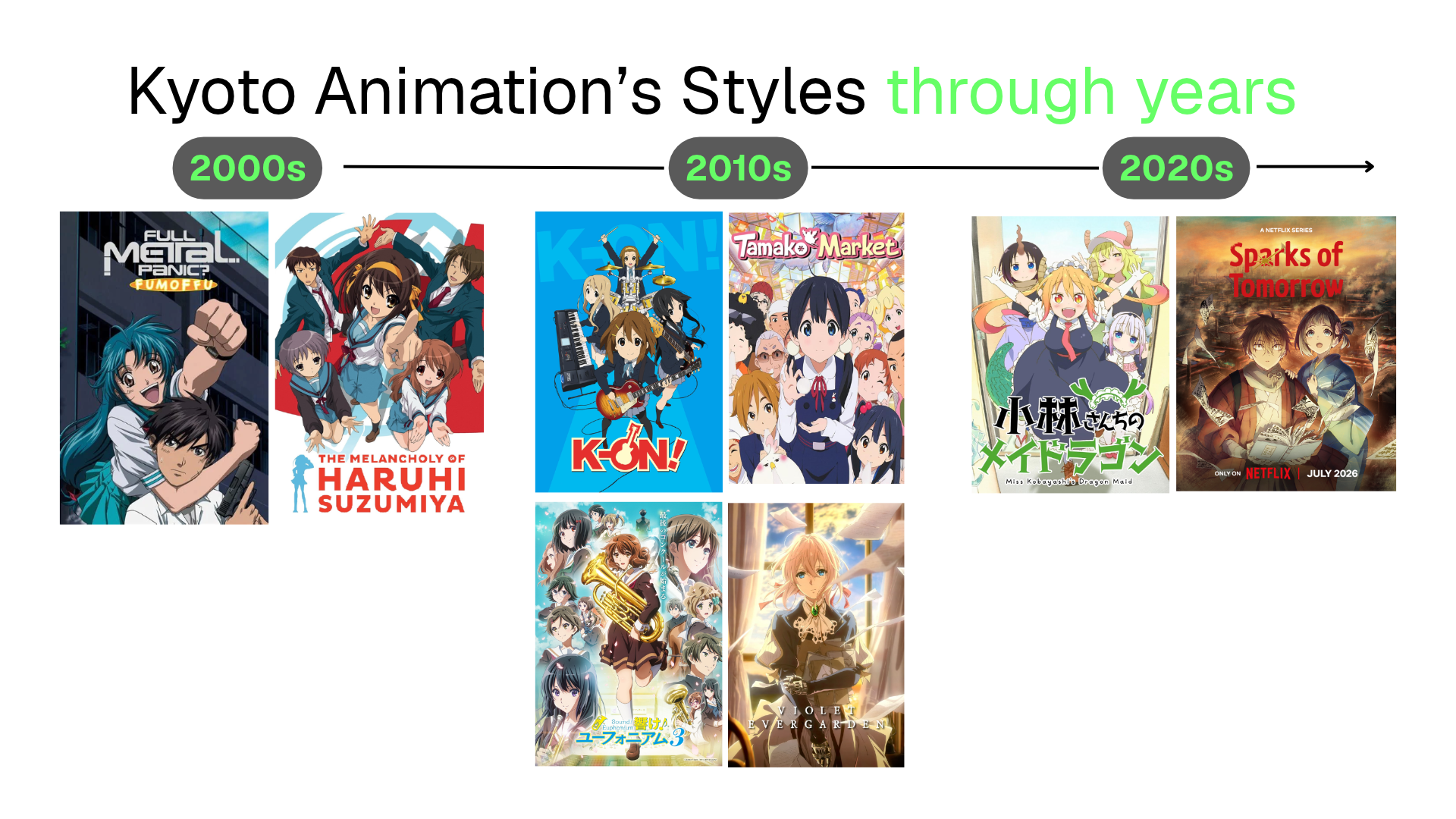
Kyoto Animation, however, shows that a signature style does not always trace back to a single auteur. KyoAni clearly has a house look (fans even joke about “KyoAni eyes”), yet its most beloved titles were designed by different people: Shoko Ikeda on The Melancholy of Haruhi Suzumiya, Yukiko Horiguchi on K-On!, Futoshi Nishiya on Hyouka and Akiko Takase on Violet Evergarden. What ties these shows together is not one person but a system. Unlike most of the industry, KyoAni employs salaried in-house staff and has trained its own animators for decades through its own professional training school, so the people designing and animating its shows share the same foundations, the same standards and largely the same instincts. The result is a collective style that lives less in the shape of a face than in the acting, from subtle hand gestures and shallow depth of field to framing that lets even a still pose reveal what a character is feeling. Even this house style is far from frozen, though, and placing an early-2000s KyoAni character next to one from Violet Evergarden makes the evolution obvious, shaped over the years by new designers, new digital tools and shifting aesthetic tastes.
At the other end of the spectrum are studios whose identity is not tied to any single look, largely because so much of their work is adaptation. When a studio brings a popular manga to the screen, the character designs need to stay faithful to the original artwork; they can be simplified or adjusted to suit the realities of animation production, but fans still have to recognize their favorite characters at a glance. MAPPA is a good illustration. Founded in 2011 by Madhouse co-founder Masao Maruyama, the studio has produced Yuri!!! on Ice, Zombie Land Saga, Jujutsu Kaisen, Chainsaw Man and the final season of Attack on Titan, and few viewers would guess from the visuals alone that these shows came out of the same studio. What MAPPA is known for instead is ambition: large-scale action, heavy investment in CG and compositing, and a willingness to take on projects that other studios might consider too risky.
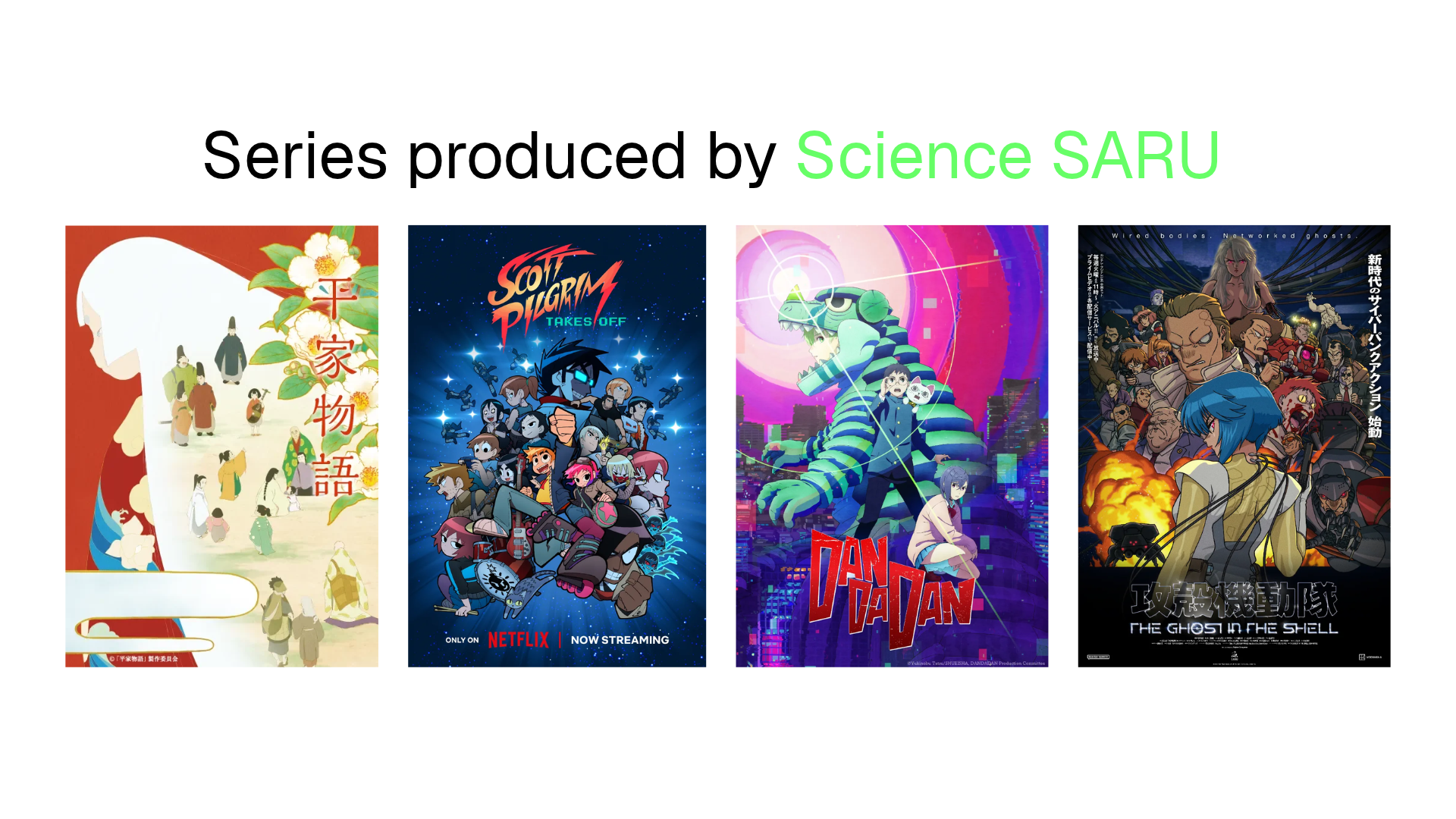
Science SARU, meanwhile, shows how a studio can move from one model to the other. Co-founded in 2013 by director Masaaki Yuasa and producer Eunyoung Choi, it was at first almost inseparable from Yuasa’s elastic, idiosyncratic style, most famously in Devilman Crybaby (2018), where his vision all but redrew Go Nagai’s original designs. After Yuasa stepped down as president in 2020, the studio began entrusting projects to directors with very different sensibilities, from Naoko Yamada’s The Heike Story (2022) to Abel Góngora’s Scott Pilgrim Takes Off and Fuga Yamashiro’s Dandadan. Each looks distinct from the others, yet the SARU name has continued to carry weight with audiences, which suggests that what viewers now trust in the studio is not a particular art style but a certain energy and quality of animation.
So does every animation studio have a fixed signature art style? Not necessarily. A signature style can belong to an individual, as with Miyazaki or Shinkai, or to a collective trained under one roof, as with KyoAni, and in both cases it keeps evolving. Many other studios, especially those built on adaptation, deliberately avoid locking themselves into one look at all. Which raises a more interesting question: if art style alone does not define a studio, how do audiences still recognize who made a show?
Studio’s Characteristics That Make Audience Remember
The answer lies in the layers beneath the drawing itself. Where the studio can speak more about their identity through other animation’s aspects:
1. Animation acting:
timing, spacing and the rhythm with which characters move. A Studio Trigger fight is unmistakable because of its exaggerated poses and its explosive shifts between held frames and bursts of motion, while a Kyoto Animation scene is recognizable from the quiet precision of a character fiddling with a sleeve or hesitating before speaking.
2. Post-production and compositing
The compositing covers far more than color: it is the lighting, glow, particle effects and sense of depth that are added once every element is layered together. Ufotable has built much of its reputation here, and the luminous, effects-heavy look of Demon Slayer carries over into its Fate adaptations even though the two franchises are drawn by entirely different artists. The third is signature technique, such as Studio Orange’s cel-shaded 3DCG in Land of the Lustrous and Beastars, where the studio’s particular answer to the question of how to make 3D feel hand-drawn becomes part of its identity.
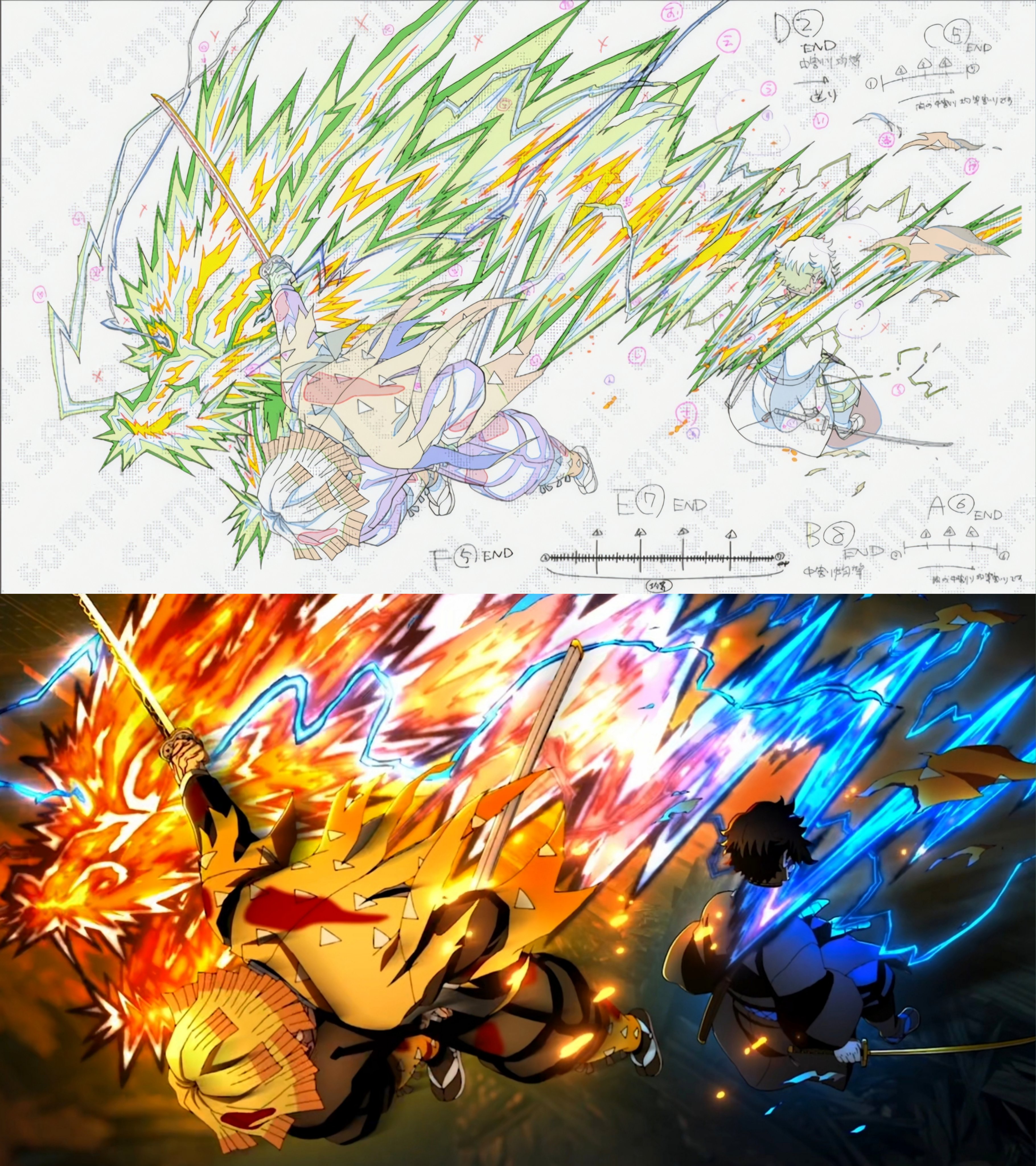
3. Directors and core teams
Directors and core teams are the one who keep returning to the same studio: Shaft’s tilted heads, abstract backgrounds and sudden text cards follow director Akiyuki Shinbo from one adaptation to the next. Finally, a studio is also defined by the kinds of projects it chooses, which is why audiences associate Trigger with high-energy originals and KyoAni with emotionally delicate slice-of-life stories.
If identity can live in all these layers, then the real question is not whether a studio should have an identity or be adaptable, but whether it should commit to a fixed art style or keep its art style flexible. Both paths come with real trade-offs.
Double-edged Sword
A studio with a fixed, recognizable style enjoys strong brand recognition, and that style becomes part of what audiences are buying when they press play: people who already love the look actively seek out more work that shares it. The same strength, however, can harden into a weakness. Lean on one style for too long and characters begin to blur together, a problem fan and art communities often call “same face syndrome” where removing the hairstyle and costume would leave viewers struggling to tell one character from another. This is not purely an aesthetic failure but partly a production one, since standardized model sheets that keep animation consistent and efficient can, over time, push faces into the same mold. A fixed style also ties a studio’s fate to the individuals behind it, as the long-running question of what Ghibli becomes after Miyazaki shows, and as Science SARU experienced when Masaaki Yuasa eventually left to found a new studio of his own. And because public taste moves on, a style that feels fresh today can feel dated tomorrow, while clients and audiences may come to see the studio as capable of only one kind of project.
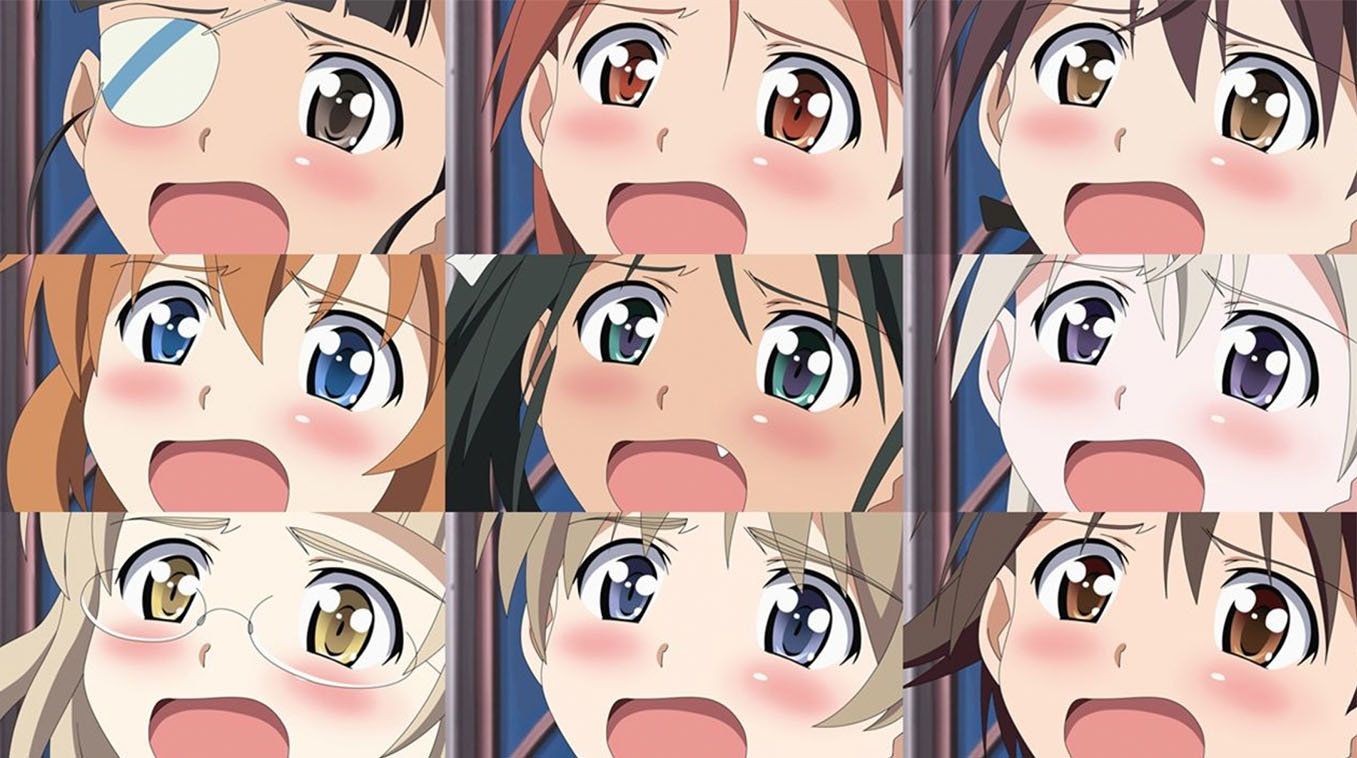
An adaptable studio, by contrast, is not confined to any single look, which allows it to work across a much wider market and partner more easily with clients, publishers and IP holders who arrive with visual identities of their own. The cost is that adaptability is harder to remember and harder to price. “We can do any style” is a claim many studios make, which exposes them to direct comparison and price pressure. Quality can vary from one project to the next, since no team is equally strong in every style, and taking on many demanding productions at once can put heavy strain on the people making them, a concern that has been raised publicly around even the industry’s most successful studios.
Audience’s Taste: Familiar or Groundbreaking?
Underlying all of this is the question of what audiences actually want: the comfort of a familiar style or the thrill of something new. The industrial designer Raymond Loewy summed up the answer in a principle he called MAYA, short for “Most Advanced Yet Acceptable,” meaning that people are drawn to the newest thing they can still recognize. Animation history follows this pattern closely. When Spider-Man: Into the Spider-Verse arrived in 2018, its comic-book textures and stylized frame rates felt like a breakthrough, and within a few years films such as Puss in Boots: The Last Wish and Teenage Mutant Ninja Turtles: Mutant Mayhem had turned that breakthrough into a new mainstream language. What once felt radical gradually becomes familiar and, eventually, saturated, which is precisely why no art style stays safe forever. In anime, the popularity of the source material often drives trends more than any studio’s look, yet the moments that spread across social media are usually the animation itself, a single breathtaking sequence that makes viewers look up who made it.
This is why many of the industry’s best-known studios do not choose one model exclusively. Adaptations make up the majority of anime production and give studios reach, revenue and a steady flow of projects, while original works give them room to say something in their own voice. MAPPA, for instance, has placed originals such as Yuri!!! on Ice and Zombie Land Saga between its blockbuster adaptations, and Kyoto Animation has gone a step further by publishing its own novels, effectively creating source material shaped around its strengths.
In the end, a studio’s lasting identity rarely comes from art style alone. It is built from the way characters move, the care that goes into every composited frame, the people who stay and grow together, and the consistency with which all of this is delivered across very different projects. For anyone choosing an animation partner, that is worth remembering: a portfolio shows what a studio has drawn, but the quality and craft beneath the drawing show what it can do for you.
Figure out what Otsu Animation has done and what we can do for you in your upcoming project.