Animation Outsourcing vs In-House: Where to Draw the Line
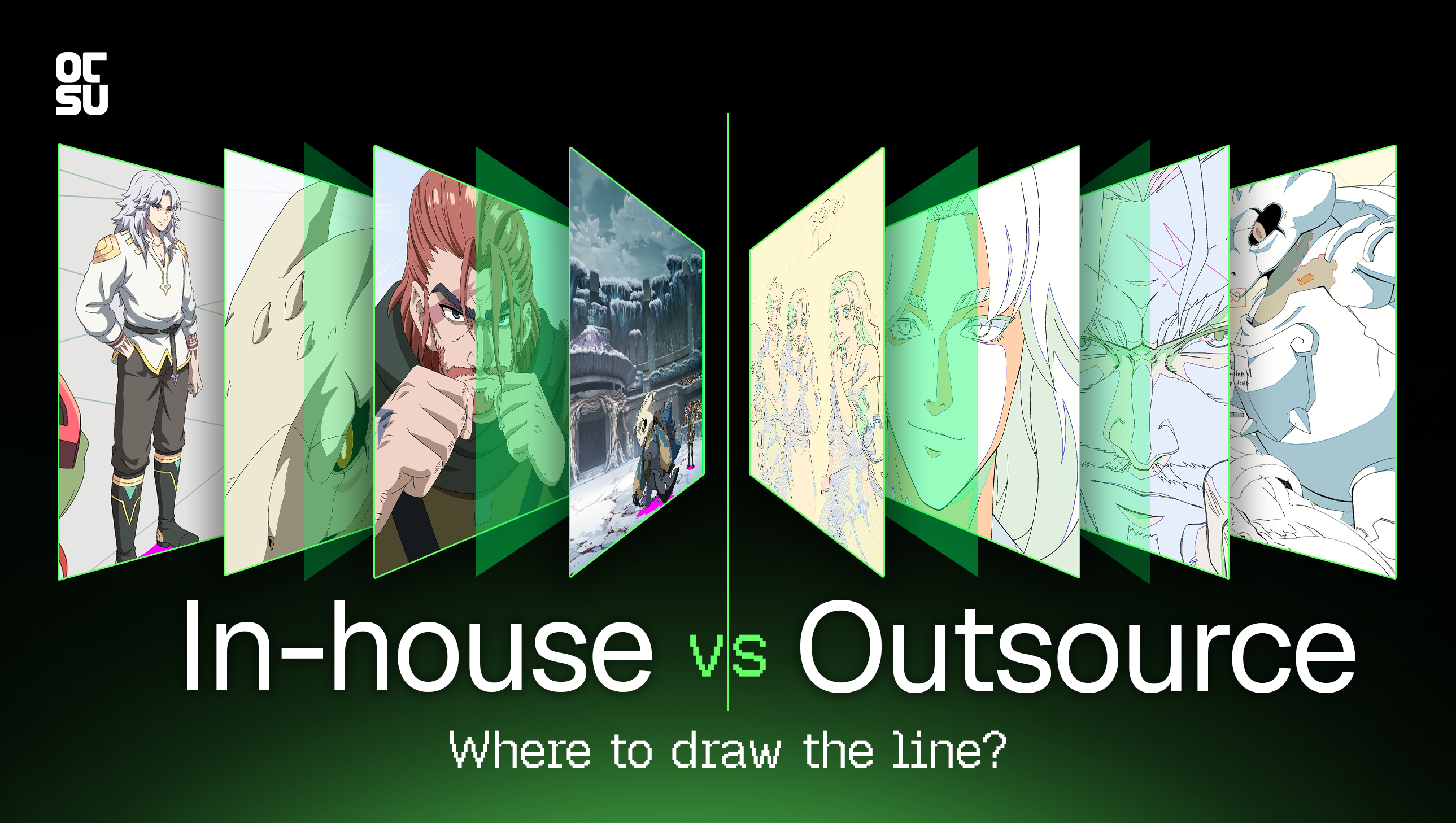
In July 2026, Pixar cut 116 jobs while Toy Story 5 was closing in on a billion dollars at the global box office. The risk of carrying a full animation crew was never that the work would fail. It is that demand arrives in waves and payroll does not. Otsu sees this from both directions, delivering production for other studios while sourcing talent worldwide for the roles our own projects need. The real animation outsourcing question has a better answer than picking a side.
- 01The Billion-Dollar Layoff
- 02What Animation Outsourcing Actually Costs
- 03Where Intention Gets Locked: The Real Animation Outsourcing Line
- 04What Should Never Leave Your Studio
- 05What Animation Outsourcing Handles Best
- 06Why Animation Outsourcing Fails, From the Receiving End
- 07Partner or Vendor: The Animation Outsourcing Distinction That Matters
The Billion-Dollar Layoff
Pixar's July 2026 cuts were its largest since 2024. They landed during a hit. A source close to the layoffs attributed them to the studio's production volume and the mix of projects in the pipeline rather than to any single film's performance.
That is the whole problem in one sentence. Headcount has to match throughput, not success. That single constraint is why animation outsourcing exists at all.
The surrounding picture matches. Global kids TV commissions fell 18% in volume between April 2025 and March 2026 according to Ampere Analysis. Los Angeles County's motion picture sector shed 6,700 jobs year on year through May 2026. Disney cut roughly 1,000 roles across the company in April 2026. Back in 2023 The Animation Guild estimated, from internal surveys, that at least a third of its membership had been laid off in the preceding year.
Set that against the output side. Streaming catalogues keep expanding and animated features keep clearing a billion dollars. Demand for animated content is not the thing contracting. Stable animation employment is.
The gap between those two facts is the space animation outsourcing occupies. Pretending it is an ideological failure rather than a structural one helps nobody scoping a production.

What Animation Outsourcing Actually Costs
Most animation outsourcing comparisons quote an hourly rate against a salary. That understates both sides. Most of the sweeping percentage savings you will read come from studios selling the service. Here is what can actually be verified.
The US Bureau of Labor Statistics puts the median annual wage for special effects artists and animators at $102,000 as of May 2025, with the tenth percentile at $59000 and the ninetieth at $177,000. That spread matters more than the midpoint, because a senior character animator and a junior compositor are not the same line item.
For union work in Los Angeles, The Animation Guild's 2024-27 scale sets the weekly minimum for a journey Animator at $2,600 and for a journey Inbetweener at $1,900, effective 2 August 2026 through 31 July 2027. Those are floors rather than market rates. They apply only to signatory productions.
Salary is also the smallest part of the real figure. Payroll taxes, benefits, software licences, hardware and the management time to keep someone busy all sit on top of it. Any honest in-house comparison has to carry those lines.
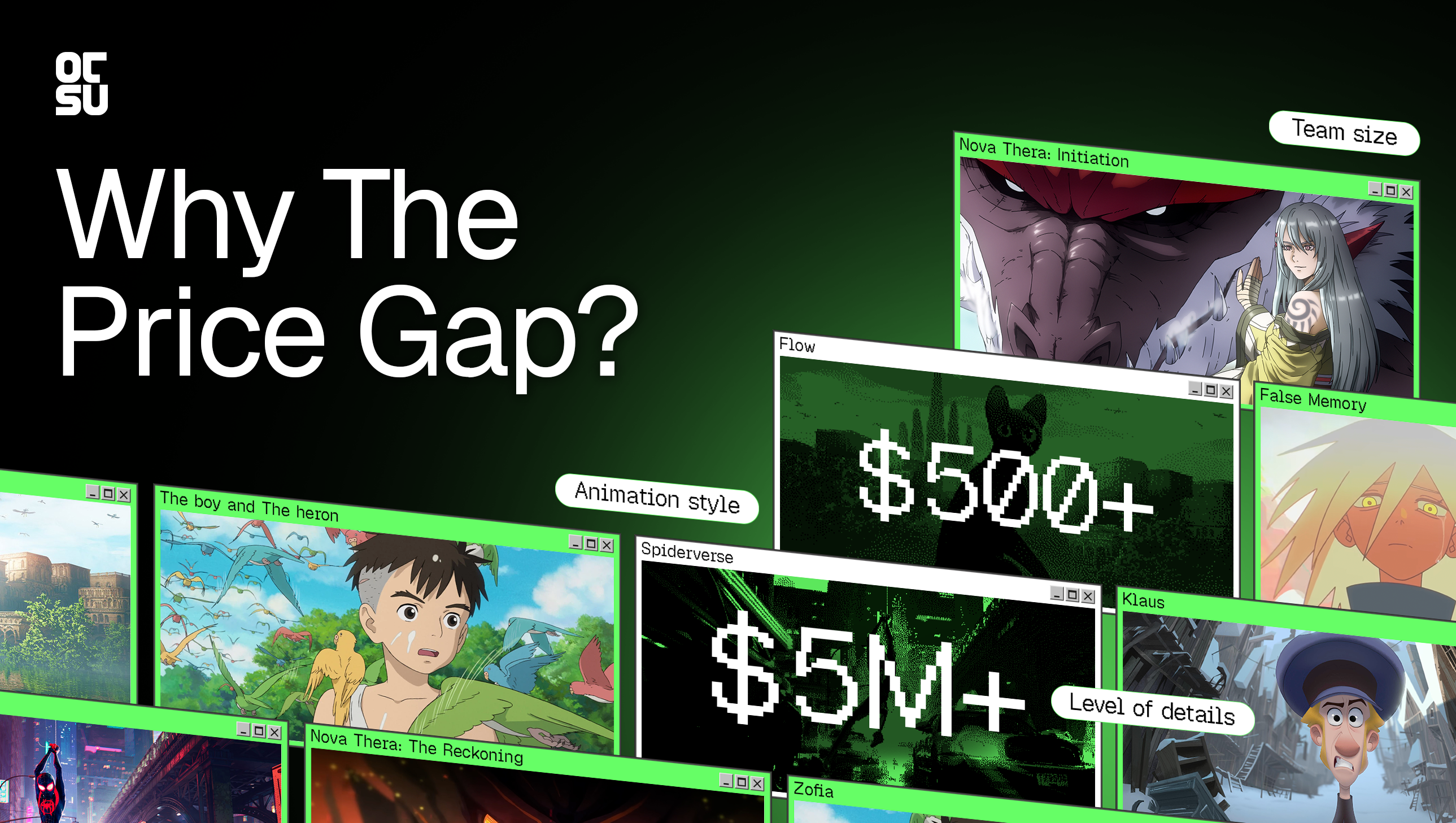
Rather than chase a universal savings percentage, use the variable that actually decides the answer: utilisation. An in-house animator is the cheapest way to ship a frame when the pipeline stays full. The same animator becomes the most expensive line on the budget during the gap between projects, because the cost continues and the output does not. Animation outsourcing converts that fixed cost into a variable one.
So the real question is not what a studio charges per minute. It is how many months of the year you can genuinely keep a given seat busy. Model your own last twenty-four months of output honestly, then price both routes against it. Anyone quoting a universal break-even figure is guessing at your utilisation.
The cost almost nobody budgets is ramp time. Recruiting, hiring and onboarding an animator takes months during which you pay salary and ship nothing. An established partner studio starts far sooner. Hybrid setups carry a coordination cost too, which scales directly with how sloppy your handoff is.
In Chainsaw Man – The Movie: Reze Arc, the primary animation and production work was handled in-house by Studio MAPPA especially since MAPPA fully funded the project independently without a traditional production committee.
However, the film's production credits list outsourcing and technical assistance from a few key external studios:
• Studio 5: Provided critical support for 3DCG (3D Computer Graphics) assets, 3D modeling, and CG production management.
• A-1 Pictures: Assisted with photography (compositing), color coordination, and paint checking.
• The core layout, 2D character animation, background art, and action directing remained strictly within MAPPA’s main teams and internal subsidiaries.
Where Intention Gets Locked: The Real Animation Outsourcing Line
The in-house versus animation outsourcing framing is misleading because almost no studio sits at either pole. Even studios celebrated for keeping work internal bring in outside teams for specific phases. DreamWorks has reportedly moved away from in-house production on certain projects in favour of outside vendors.
A more useful question: at what point in your pipeline does creative intention become unambiguous?
Everything before that point belongs with the people holding the vision. Everything after it can be distributed, because the decisions are already made and the remaining work is executed against a clear reference. That boundary, not a budget line, is what should drive your animation outsourcing plan.
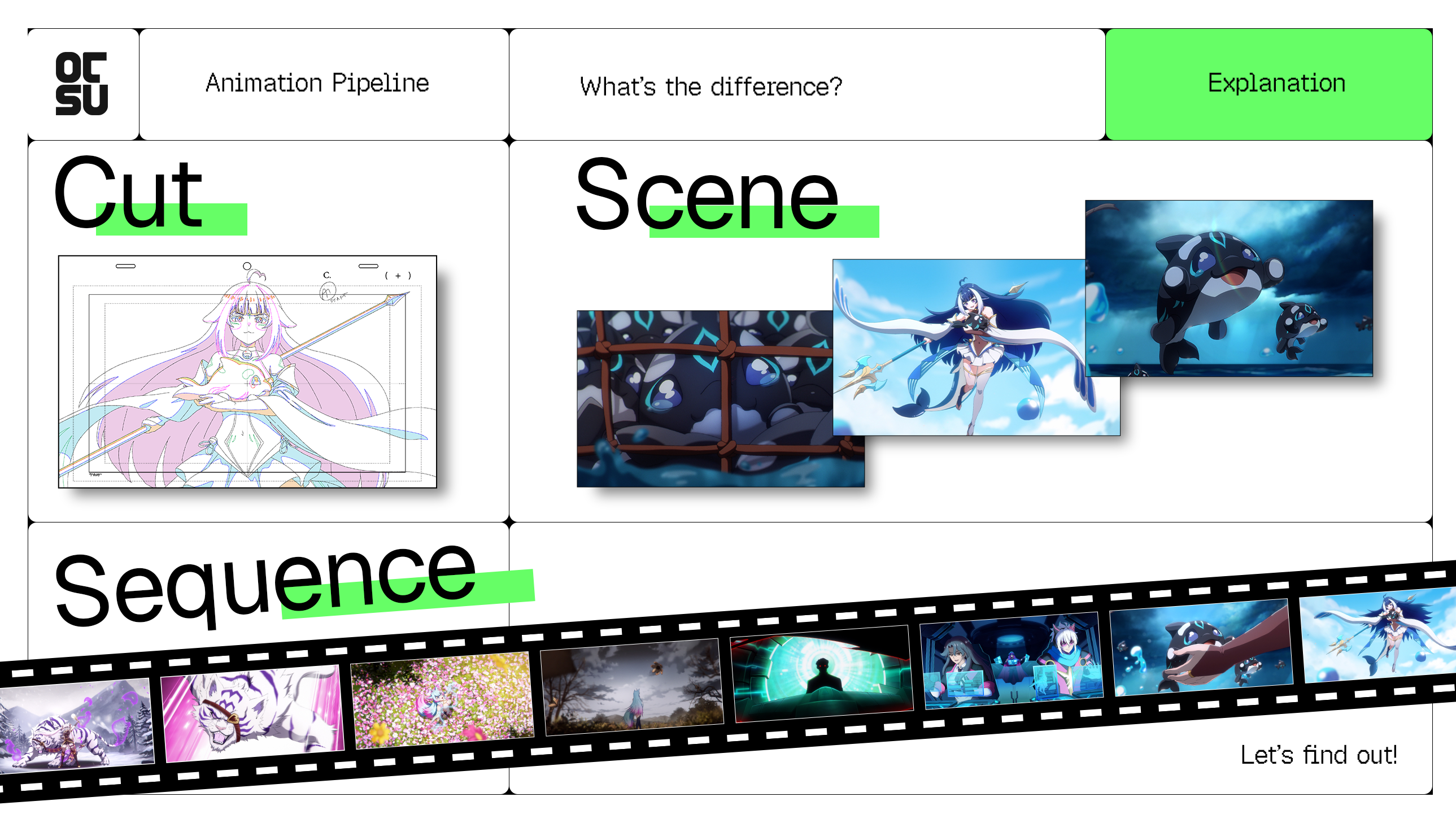
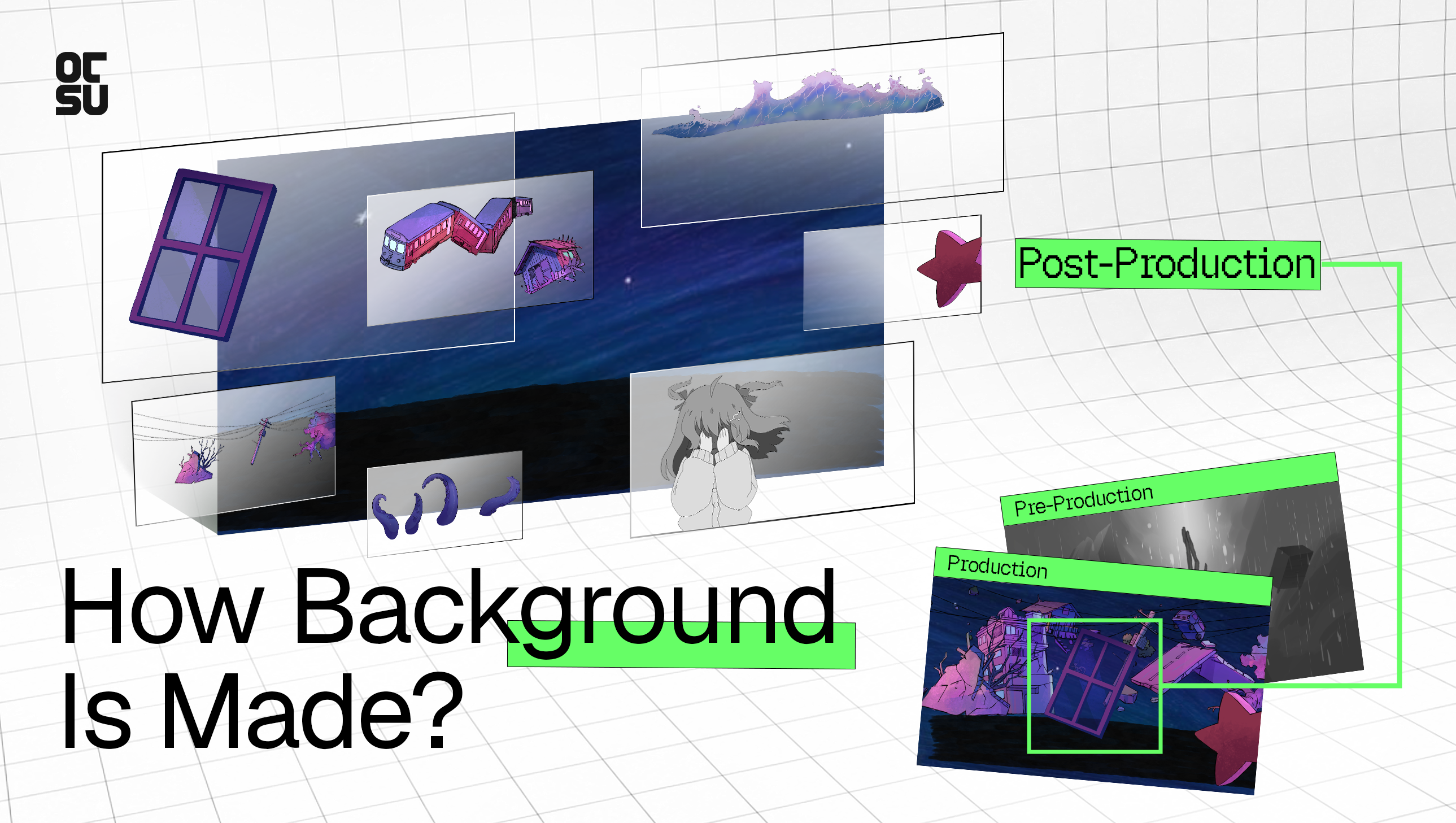
In practice that line falls around the storyboard, layout and colour script. Once framing, shot length, timing and palette are locked, clean-up, in-betweens, colour and compositing can go to any competent team. Before that line, every handoff is a request to guess. Guessing is what produces work that is technically fine but creatively wrong.
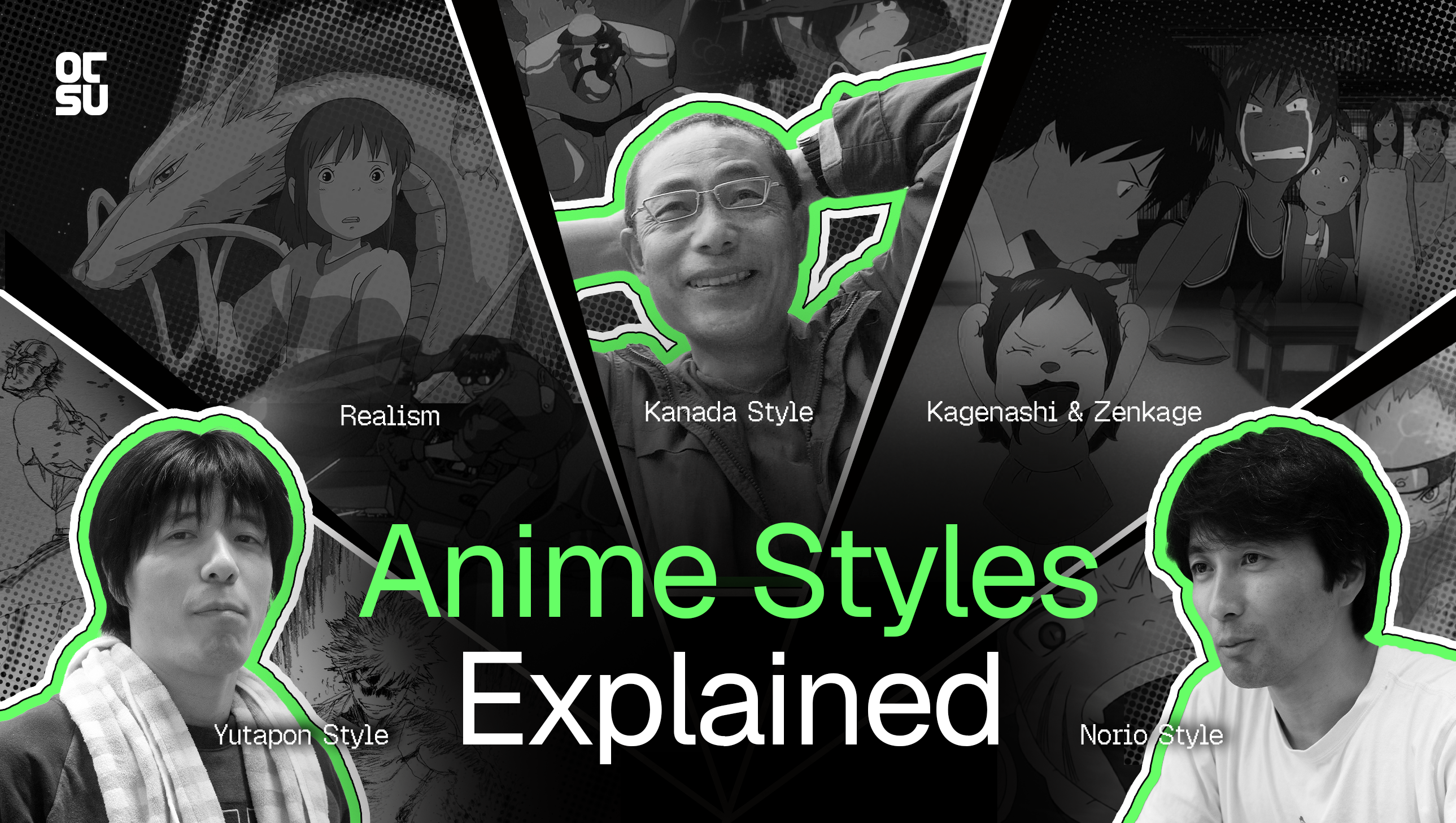
This is not a new theory. It is roughly the animation outsourcing division Japanese studios have run for fifty years, keeping key animation, direction and character design at home while distributing in-between and clean-up work abroad. Korean studios formalised the model in the 1980s. Filipino studios have run it for American clients for decades.
What Should Never Leave Your Studio
Four categories should stay out of any animation outsourcing scope. None of them are about trust or talent. They are about where revision is cheap.
Style when style is the IP. If audiences recognise your show by how it looks, the drawings that define that look stay with you. Small variations across multiple outside teams compound quickly and dilute a signature before anyone notices, which is the most common hidden cost of animation outsourcing.
Story, boards and character design. These are decisions, not execution. Sending out a decision is how you end up paying twice.
Anything you will iterate on for months. Director-led work that keeps evolving is expensive to renegotiate with any external party, because each genuine creative change becomes a scope conversation instead of a note.
Institutional knowledge you want to compound. A crew that works across several of your projects accumulates understanding that a rotating roster cannot.
What Animation Outsourcing Handles Best
Volume is the obvious one. The arithmetic is unforgiving. A 26-episode season at 22 minutes an episode is more than nine hours of finished animation. No mid-sized studio can carry that headcount year-round. Nobody should try.
Specialty work outside your core is the second. A single modern production might need 2D character animation, 3D environments, motion graphics and effects. Very few in-house teams hold all four at senior level. Hiring for the gap on a project-by-project basis is slower than partnering for it.
Elastic capacity around peaks is the third. Animation outsourcing lets a team absorb a deadline spike without committing to the payroll that spike would otherwise require.
The fourth is less discussed but matters most. Animation outsourcing performs best on work that can be specified precisely. The clearer the reference, the better the result. That is not a limitation of external teams. It is a description of how any distributed production works.
Why Animation Outsourcing Fails, From the Receiving End
When animation outsourcing goes wrong, the post-mortem usually blames the talent. Seen from inside a partner studio, the pattern looks different and it repeats.
The boards are not locked. Work arrives with framing still in flux, so the partner makes reasonable choices that are not your choices. Revisions multiply and the schedule absorbs them.
Feedback arrives as adjectives. "Make it feel heavier" has a dozen valid solutions and no way to pick between them without a reference.
The partner never reaches the director. Notes travel through a producer, then a coordinator, losing specificity at each hop until the original intent is unrecognisable.
Scope is fixed before the creative is settled. Every real change then becomes a contract negotiation rather than a note, which teaches both sides to avoid necessary conversations.
The relationship resets every project. Nothing accumulates, so each production pays the same learning curve again.
None of these are talent problems. They are handoff problems. The fixes are unglamorous: lock the boards before the handoff, send visual references instead of adjectives, give the partner direct access to whoever holds the vision and keep the same partner across projects so the context compounds.
Partner or Vendor: The Animation Outsourcing Distinction That Matters
There is a structural difference between two animation outsourcing arrangements that look identical on an invoice.
A vendor executes a specification at an agreed rate and carries no stake past delivery. A partner studio holds context across projects, It raises problems early because it understands what the work is trying to do. It gets measurably better at your style over time.
Anime's animation outsourcing history is largely the vendor model. The Japanese studio retains the intellectual property and pays a fixed work-for-hire rate, while the offshore studio takes no rights and no revenue participation. The model is efficient. It is also why real capability abroad took decades to translate into original work of its own.
The practical animation outsourcing takeaway is simpler than the structural debate. Choose a partner rather than a supplier, keep them across projects and give them enough context to think rather than only to execute.
That is how Otsu works. We take the brief at the boards, ask the questions that surface problems before they reach production and carry what we learn into the next project rather than starting from zero.
Looking for a partner who treats every frame as a choice, not just motion, in 2D, 3D or hybrid? Otsu Labs is the animation studio built for exactly this. Contact us now!
What is animation outsourcing?
Hiring an outside studio to handle part of a production. Usually the volume work like clean-up, in-betweens, colour and compositing, while creative direction stays with you.
Is animation outsourcing cheaper than hiring in-house?
It depends on how busy you keep the seat. In-house wins when the pipeline is always full. Outsourcing wins when work arrives in waves.
How much does it cost to outsource 2D animation per minute?
There is no useful average. Style, complexity and revision rounds move the price more than location does, so ask studios to quote against your actual boards.
What should you never outsource in animation production?
Story, storyboards, character design and anything that defines your look. Those are decisions rather than execution. Sending them out usually means paying twice.
Why do animation outsourcing projects fail?
Bad handoffs, not bad talent. Unlocked boards, vague feedback and no direct access to the director cause most of it.
What is the difference between an animation vendor and a production partner?
A vendor delivers to a spec and stops there. A partner keeps context across projects, so they catch problems early and get better at your style over time.