Animation Jobs in Anime Studio: Which One Fits You Best?
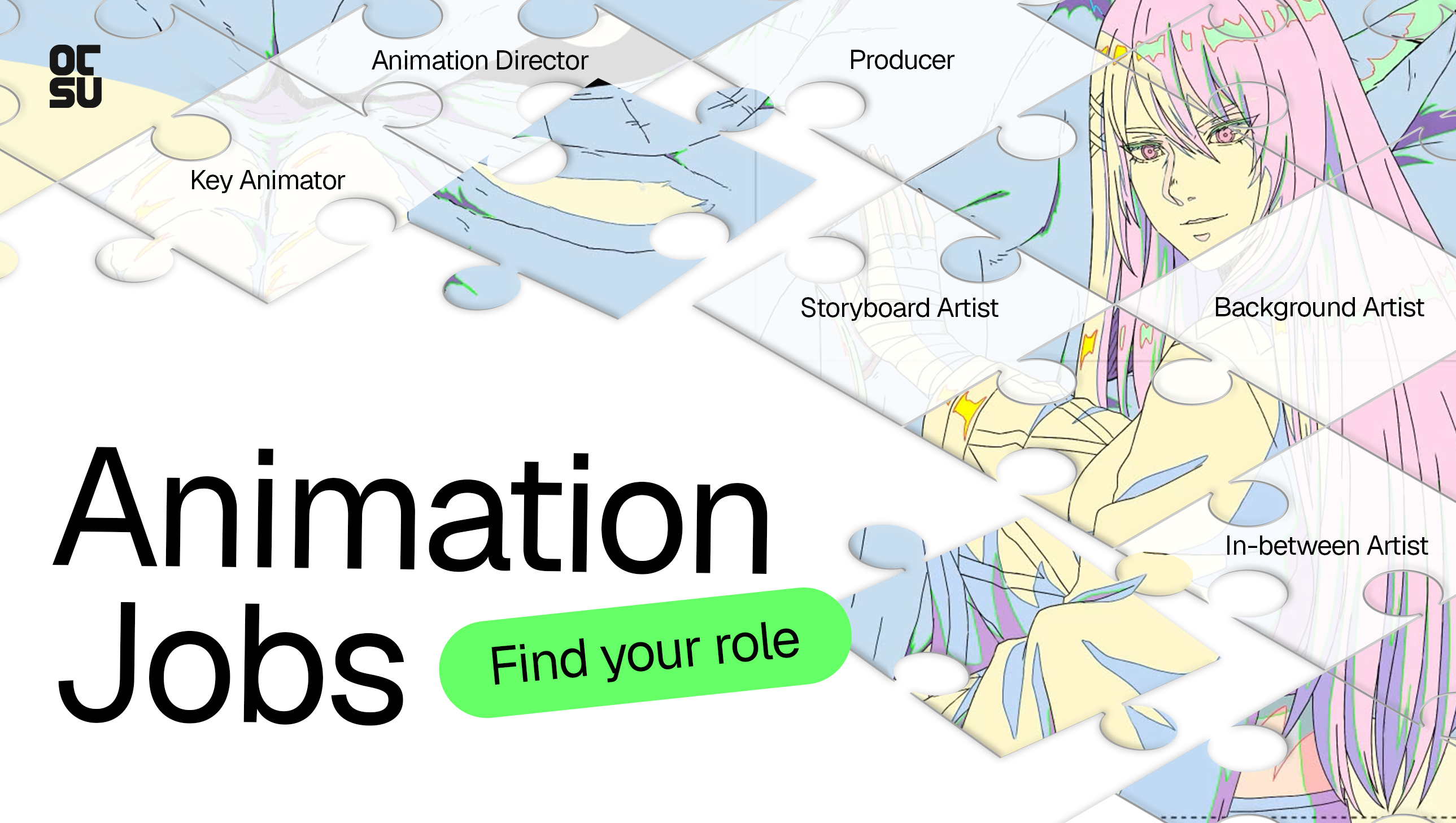
Creating high-quality animation takes great teamwork from pre-production to post-production. If you want to join the industry, it’s worth exploring the different roles in a real animation studio before choosing your path. Each role comes with its own skills and requirements, so knowing what fits you best can help you make the right choice before stepping into the pipeline. Let’s break down the key animation jobs and see where you fit.
Understanding the Animation Pipeline
Every animation project follows a 3-stage pipeline:
- Pre-production
- Production
- Post-production
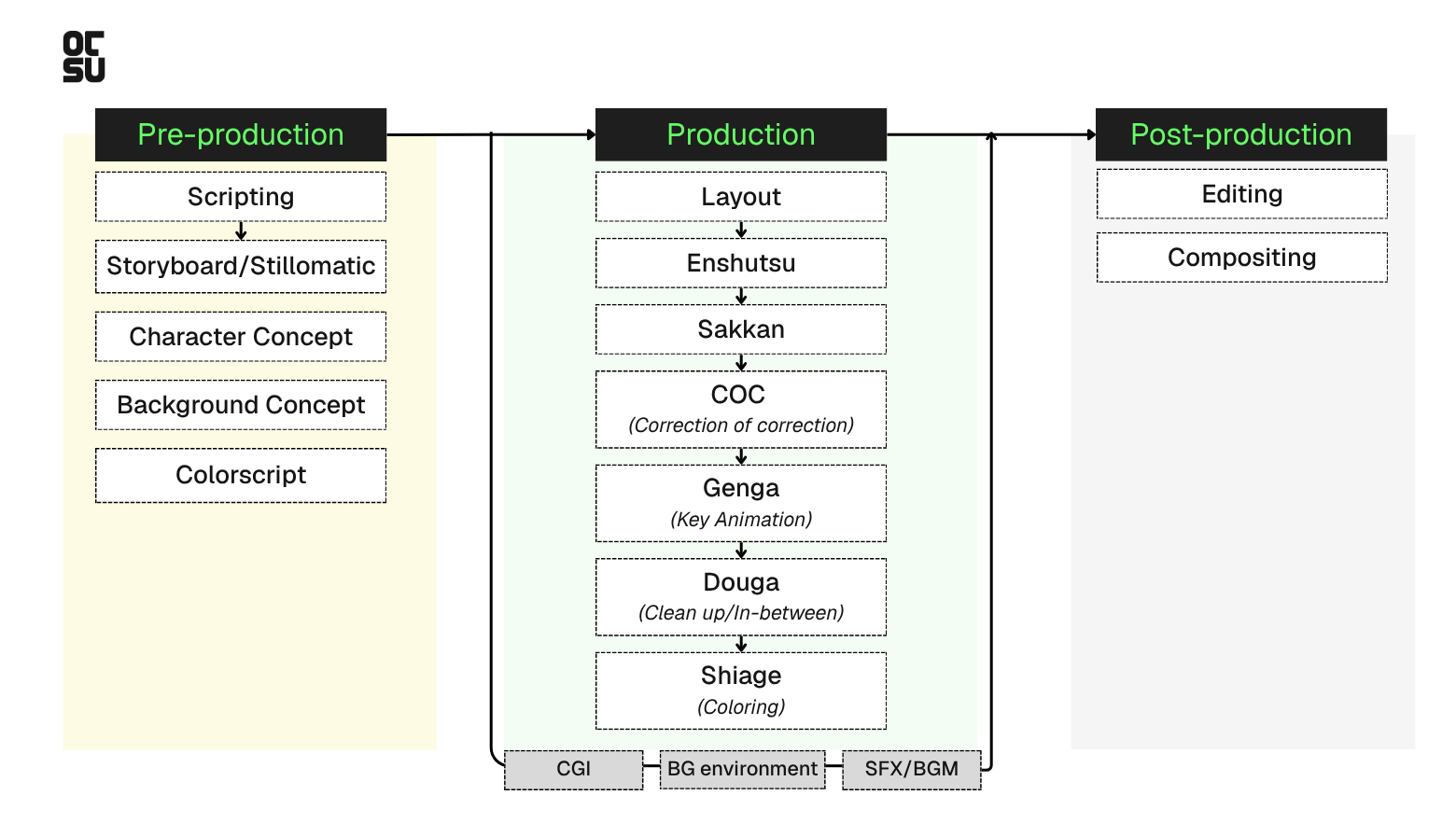
Western animation and Japanese anime follow different production pipelines, so job titles may vary based on where a role fits in the workflow. Understanding this flow shows how each artist's work connects to the next person's job. We’ll discuss our pipeline in detail in our dedicated pipeline guide. You can explore our full breakdown on How an Anime Pipeline Works in a Real Studio.
At Otsu Animation, we build on the Japanese animation pipeline as our foundation and adjust it to fit our studio workflow. Today, we break down the key roles in the Japanese anime pipeline.
Production Management
Production management is the engine that keeps the entire studio running. People in these roles spend most of their time communicating with clients, directors and artists across multiple departments. If you love organizing, problem-solving and constantly talking to people, this section is for you. Managers and leaders guide the project from start to finish. They keep the team organized and make sure the work meets the studio's goals.
Production Assistant (PA)
- Role: The main bridge between clients and artists.
- What they do: They track budgets, check deadlines and keep work moving on time. On global projects, they also talk with freelance artists around the world.
Art Director
- Role: The guardian of the film's overall visual language.
- What they do: The Art Director sets the visual tone, color language and aesthetic rules for the entire project. They work directly with production leads and directors to ensure that every background, character model and lighting set up aligns with the original creative goals. They spend a lot of time reviewing artwork, giving constructive notes and making sure the visual quality remains consistent from scene to scene.
Animation Director
- Role: The chief supervisor for character acting and drawing accuracy.
- What they do: An Animation Director (often called Sakugan in Japanese anime) reviews every single frame drawn by the key animators. Their main task is to maintain model accuracy (keeping drawings "on-model") and ensure movement flows smoothly. They redraw cut sheets, correct proportions and give direct feedback to animators to maintain high performance standards across the board.
Pre-production
Pre-production is where ideas turn into visual blueprints. Artists in this phase need strong narrative skills and conceptual thinking, as their work guides every department that comes after them.
Storyboard Artist
- Role: The visual storyteller and camera director on paper.
- What they do: Storyboard artists read the text script and translate it into a sequential series of comic-like panels. They decide camera angles, shot framing, character placements and scene pacing. Their drawings act as the direct visual blueprint that animators, background artists and directors use to build each shot.
Background Artist
- Role: The world-builder of the animation.
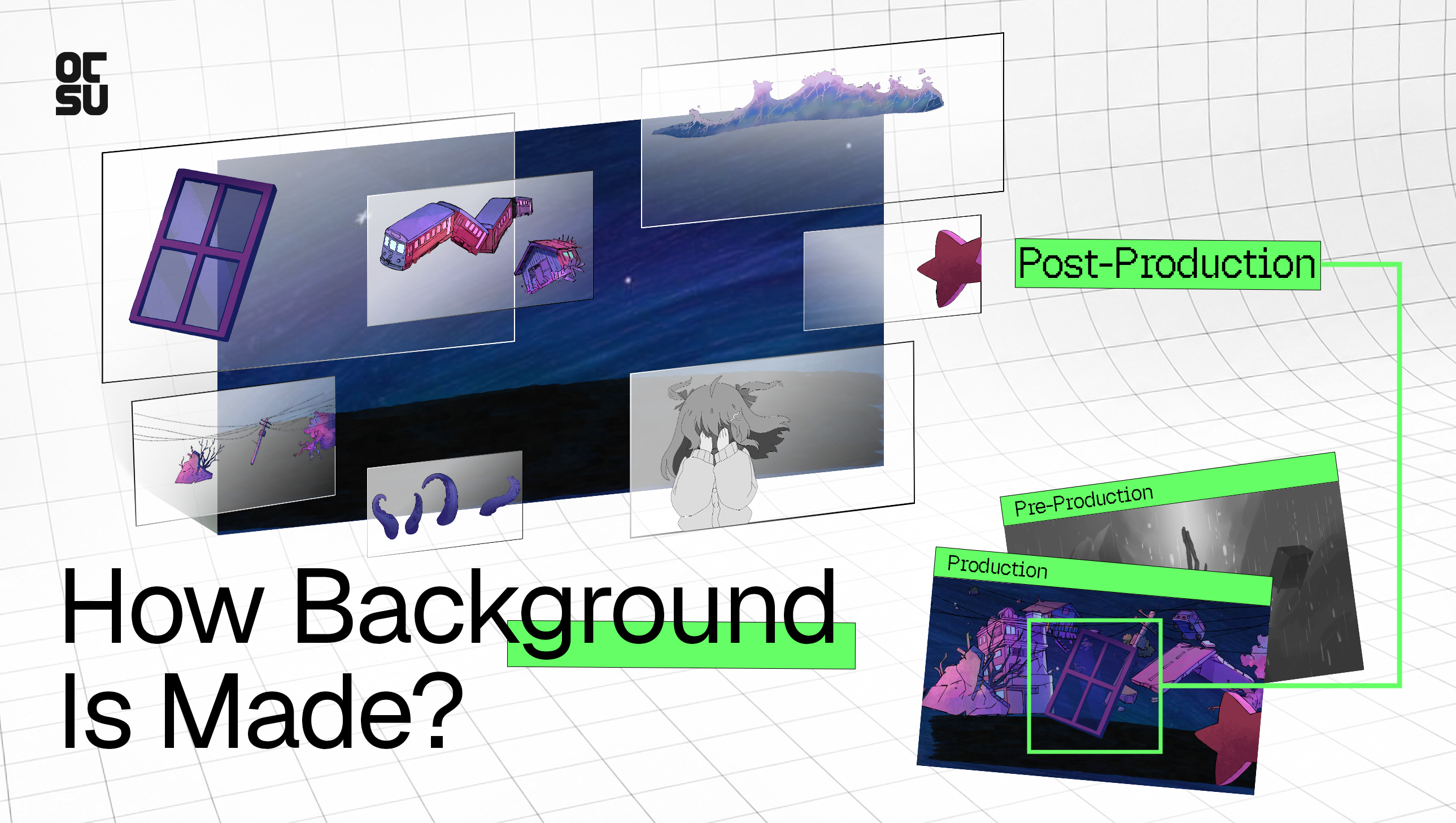
- What they do: Background artists paint the environments, rooms, cities and natural landscapes where the story takes place. They establish perspective, architectural details and environmental textures based on concept sketches. Their work provides the grounding physical space for all character animation.
Colorist / Color Script Artist
- Role: The master of atmosphere and visual mood.
- What they do: Colorists define the emotional tone of each scene through lighting and color palettes. They create "color scripts" - sample paintings that show how light changes throughout different times of day or emotional moments in the film. This acts as the exact color guide for line artists and compositors later in the pipeline.
Production
Production is the most labor-intensive phase of the pipeline. Here, individual drawings are crafted step-by-step to bring physical motion and life to the characters.
Layout Artist
- Role: The stage setter for 2D animation cuts.
- What they do: Layout artists take the rough storyboard panels and build accurate full-size frame layouts. They draw precise background perspectives and place character silhouettes in their starting and ending positions. This ensures the scene is spatially correct before key animation work begins.
Genga Artist (Key Animator)
- Role: The main actor who crafts the core movement.
- What they do: Key Animators (known as Genga artists in anime) draw the fundamental action poses and emotional beats of a shot. They define the timing, weight and acting of a character by creating keyframes. They also sketch rough effect guidelines and specify how many intermediate frames are needed to complete the action.
Douga Artist (In-between Animator)
- Role: The movement smoother and line cleaner.
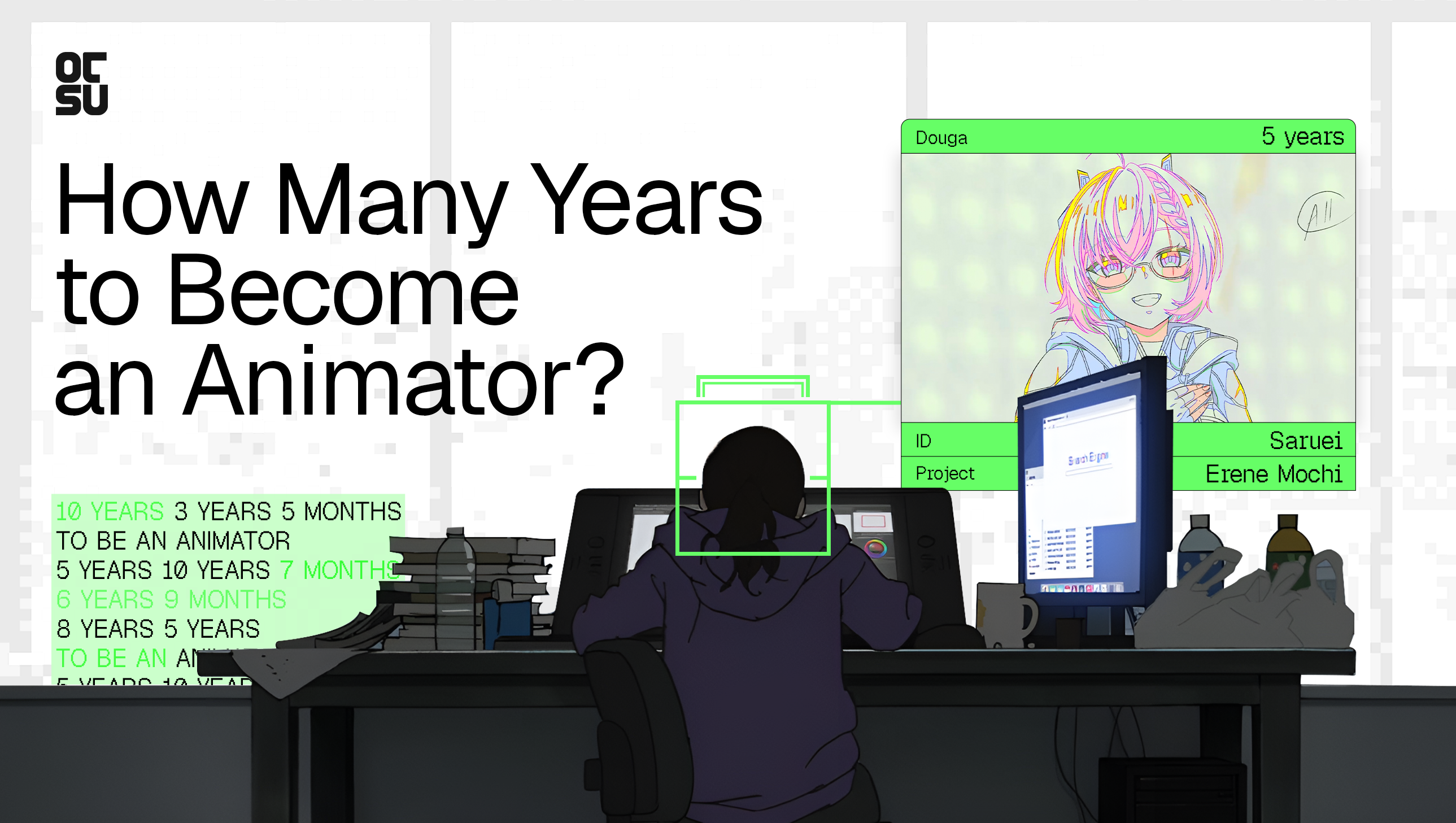
- What they do: In-between Animators (Douga artists) draw all intermediate frames between key poses to make character motion fluid and realistic. They are also responsible for cleaning up the rough key animation lines into crisp, final line art that is ready for digital coloring.
Shiage Artist (Coloring Animator)
- Role: The digital painter for characters and props.
- What they do: Coloring Animators (Shiage) take the cleaned-up line art and fill in the designated colors using specialized software. They strictly follow the character color model sheets created in pre-production, making sure every highlight, shadow layer and base color is accurate across hundreds of individual frames.
2DFX Artist
- Role: The specialist in drawing natural forces and action elements.
- What they do: 2D FX Artists specialize in hand-drawing organic physical phenomena such as fire, water streams, smoke clouds, magical blasts, and debris. Their work adds punch, physical weight, and cinematic energy to action scenes.
Post-Production
Post-production is where all separate layers are combined and polished. If you like working with lighting, camera effects and audio mixing, this stage brings the final magic together.
Compositing Artist
- Role: The final visual integrator.
- What they do: Compositors gather all visual layers - background paintings, character animation files, and 2D FX - and combine them into a single image sequence. They add digital lighting effects, lens flares, camera shakes, depth-of-field blurs and color grading to ensure characters look seamlessly integrated into their environments.
Sound Design Artist
- Role: The creator of the linguistic and emotional atmosphere.
- What they do: Sound Designers build the audio world of the film. They record and edit voice acting (dialogue), create custom sound effects (Foley), design mechanical/magical audio hits and mix the musical score to balance perfectly with the visuals.
We hope this guide gives you a clearer picture of how an animation studio operates and helps you discover which role matches your creative strengths. Understanding the pipeline is the first step toward building a successful career in the industry. If you are passionate about maintaining drawing accuracy and elevating visual quality, Otsu Animation is currently looking for talented Freelance Sakkan Senior to join our team.
What is the most entry-level animation job in an anime studio?
Douga Artist (In-between Animator) and Production Assistant (PA) are common entry-level roles that help beginners build pipeline experience.
Do I need to speak Japanese to work in a Japanese anime pipeline?
Not necessarily. Many international studios like Otsu Animation use standardized anime pipeline terms (Genga, Douga, Sakkan) and work in English or local languages.
What is the main difference between Genga Artists and Douga Artists?
Genga artists draw the key poses that show the main movement. Douga artists fill in the frames between those poses and clean up the drawings to create smooth animation.
How can I apply for the Freelance Sakkan Senior role at Otsu Animation?
We welcome applications from artists with strong drawing skills and experience in character model correction. If you’re interested in the role, please submit your portfolio or reel through our official contact or career page.