Why Anime Looks Consistent Even With Dozens of Different Animators? - The Secret Role Called Sakkan
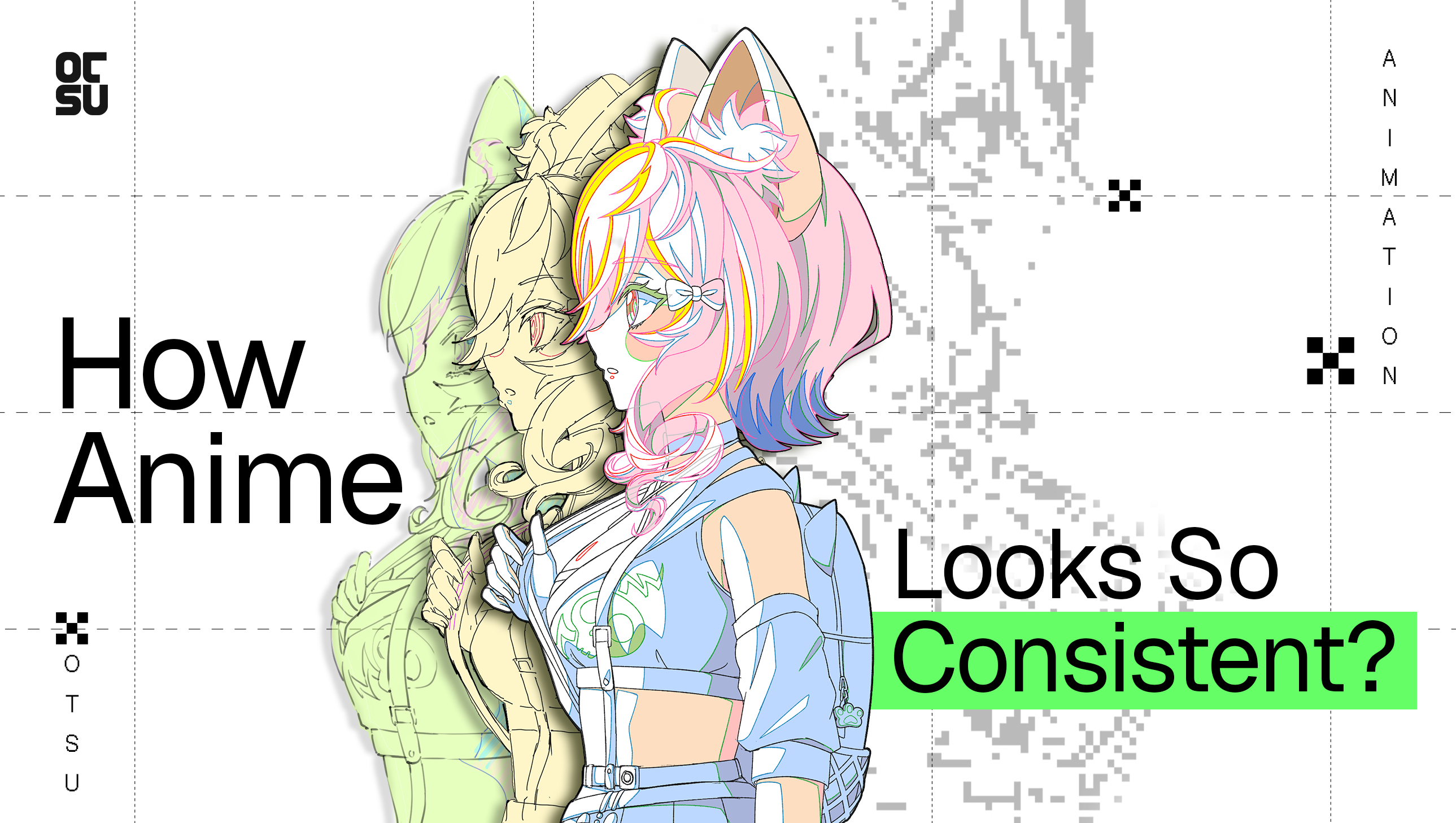
A single anime episode can pass through the hands of 30 or more different animators before it airs and somehow, the main character still looks like the main character in every single shot. That's the real story of how one role inside the anime production pipeline holds everything together and most explainers skip right past it.
- 01Why Anime Looks Consistent Even With Dozens Of Different Hands
- 02The Anime Production Pipeline, Step By Step
- 03Before Sakkan: Key Animation And In-Betweens Role, Quickly Explained
- 04Sakkan: The Person Who Makes Everyone's Drawings Look The Same
- 05Where The System Breaks Down
- 06Why Otsu Animation Builds Its Pipeline On The Same Principle
Why Anime Looks Consistent Even With Dozens Of Different Hands
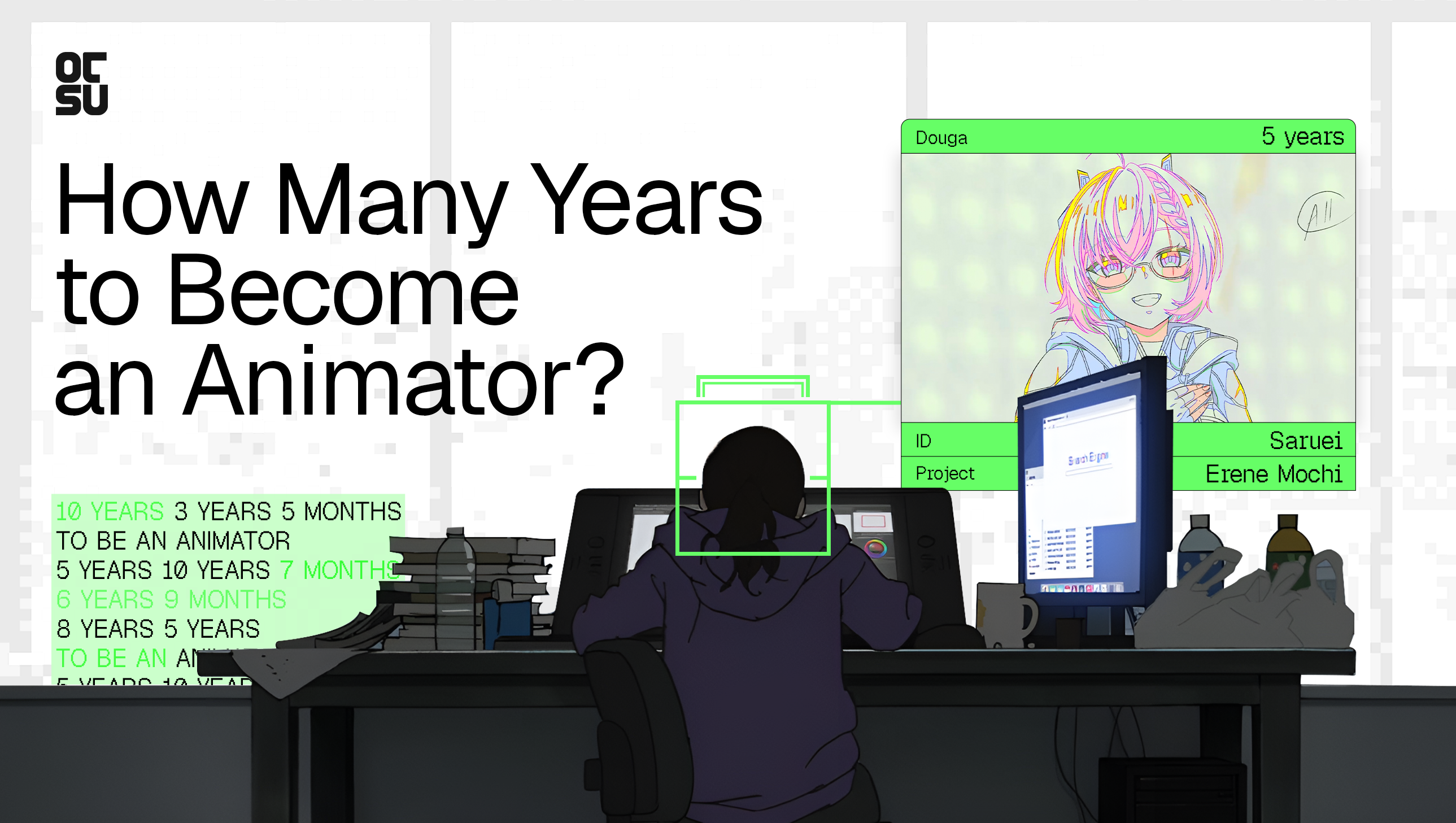
Watch the credits roll on any anime episode and you'll see a long list of names under "animation." That's not padding - a single 20-minute episode can genuinely involve 15 to 50+ individual animators, each drawing different cuts, sometimes different characters within the same scene.
So here's the real question: if that many different people are drawing the same character, why doesn't the face, the proportions or the line weight drift from shot to shot? The answer isn't a shared drawing style everyone naturally has - it's one specific correction step inside the anime production pipeline, designed for exactly this problem.
The Anime Production Pipeline, Step By Step
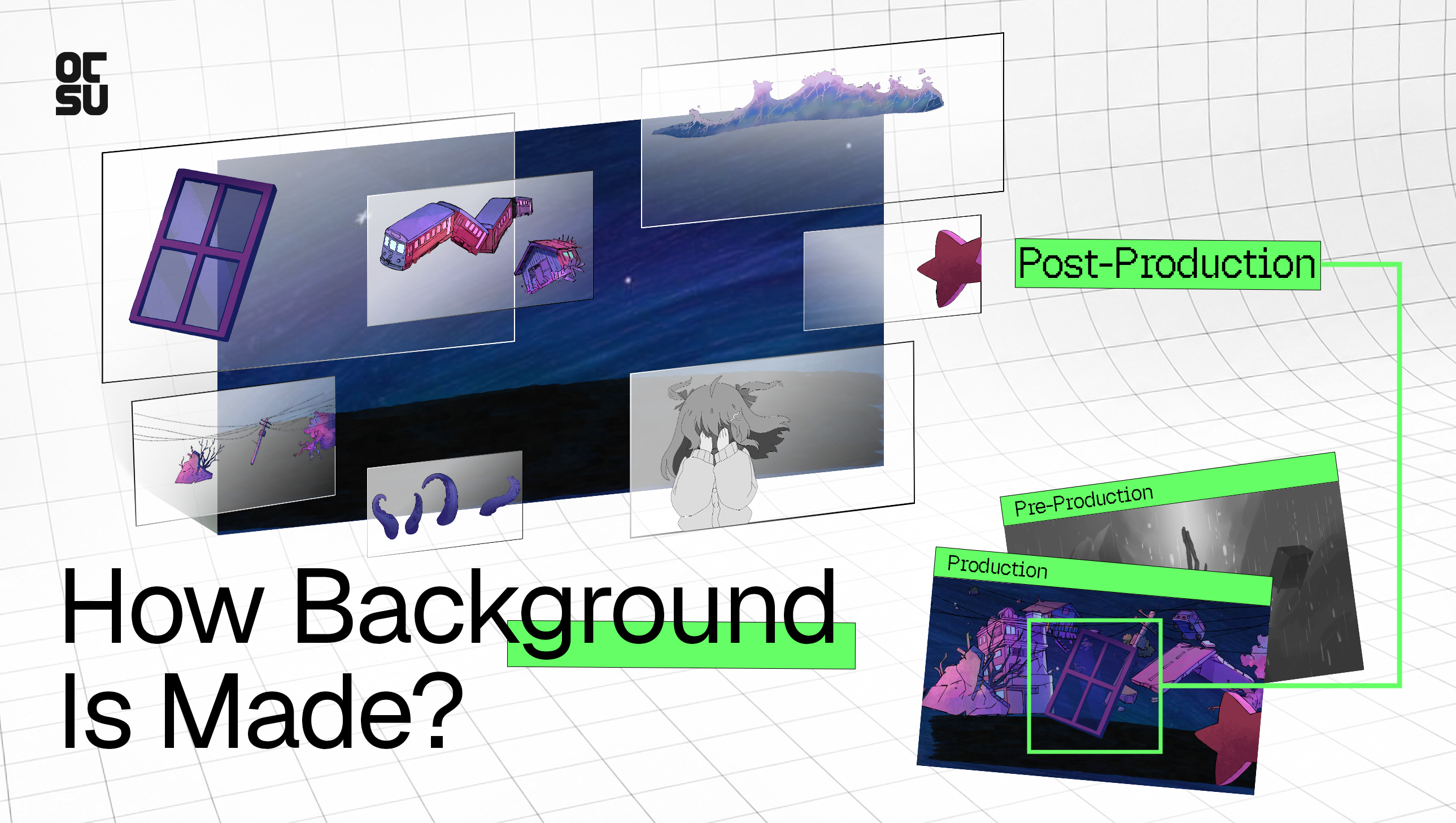
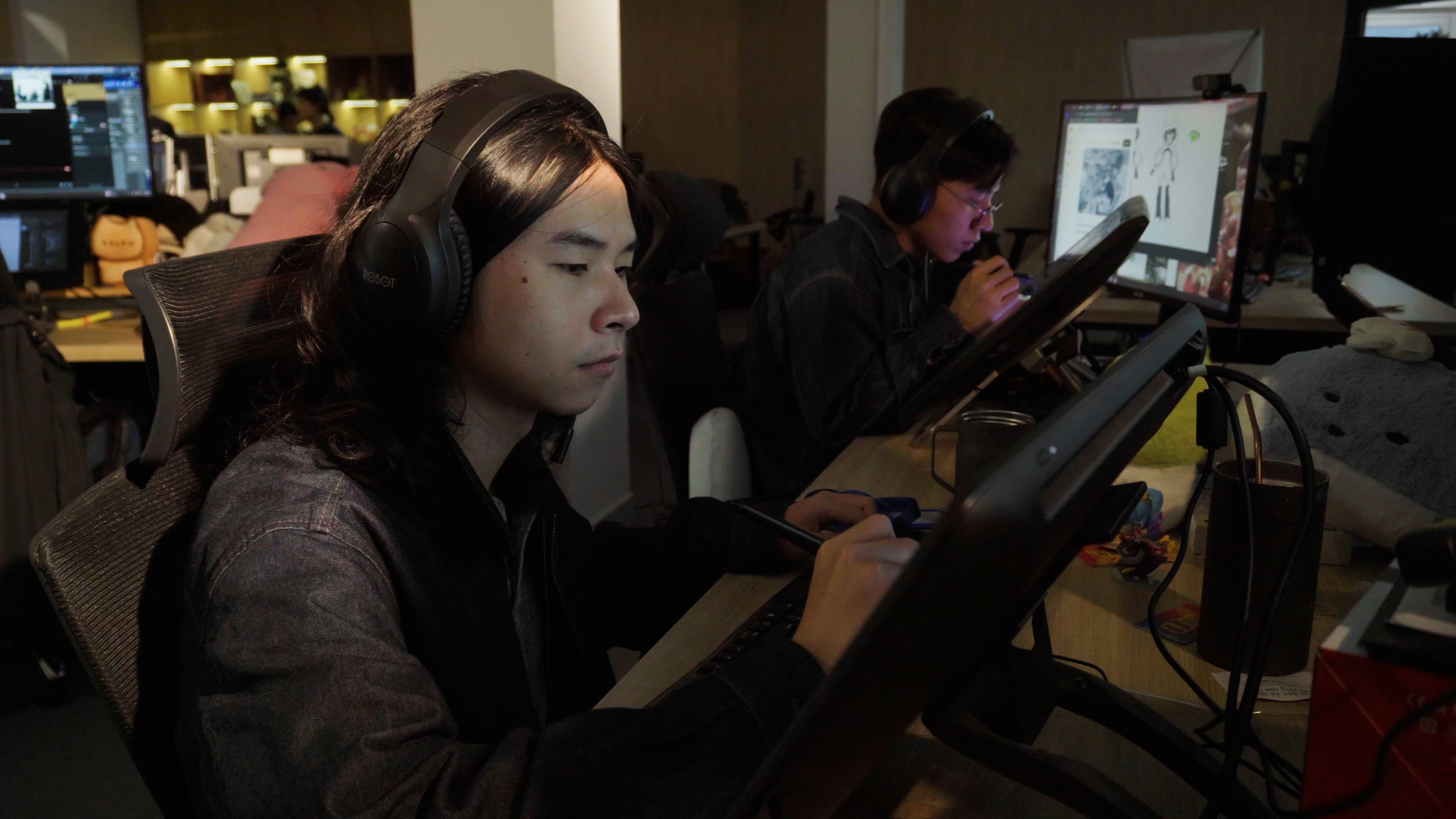
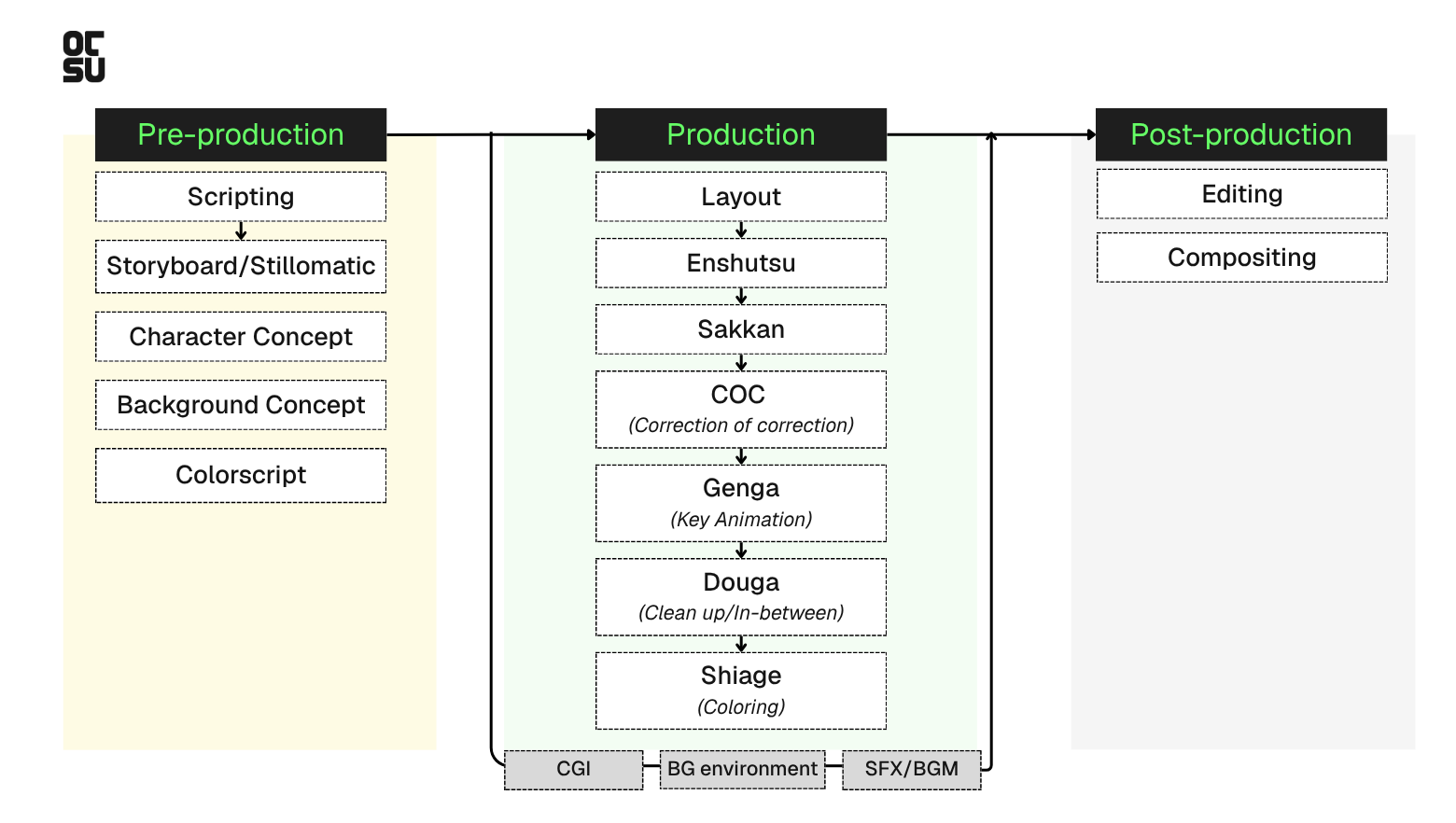
Before getting into who keeps the art consistent, it helps to see where that happens inside the bigger picture. Broadly, the anime production pipeline runs through three phases:
- Pre-production: script, character design (settei) and storyboards get locked before any animation begins.
- Production: storyboards become layouts, layouts become key animation, key animation gets corrected, then filled in, then colored.
- Post-production: sound, music and final compositing are added before the episode ships.
Most explainers stop at that three-phase overview. The part that actually answers "why does the art stay consistent" happens inside the middle phase and it runs through three roles worth knowing before we get to the main one.
Before Sakkan: Key Animation And In-Betweens Role, Quickly Explained
Two roles feed directly into the role this article is really about, so it's worth knowing them in brief:
- Key animation (genga, 原画): the artist who draws the pivotal poses in a scene - the start of a jump, the peak of a punch. They're not drawing every frame, just the frames that define the motion and they're given real creative freedom to bring their own style to it.
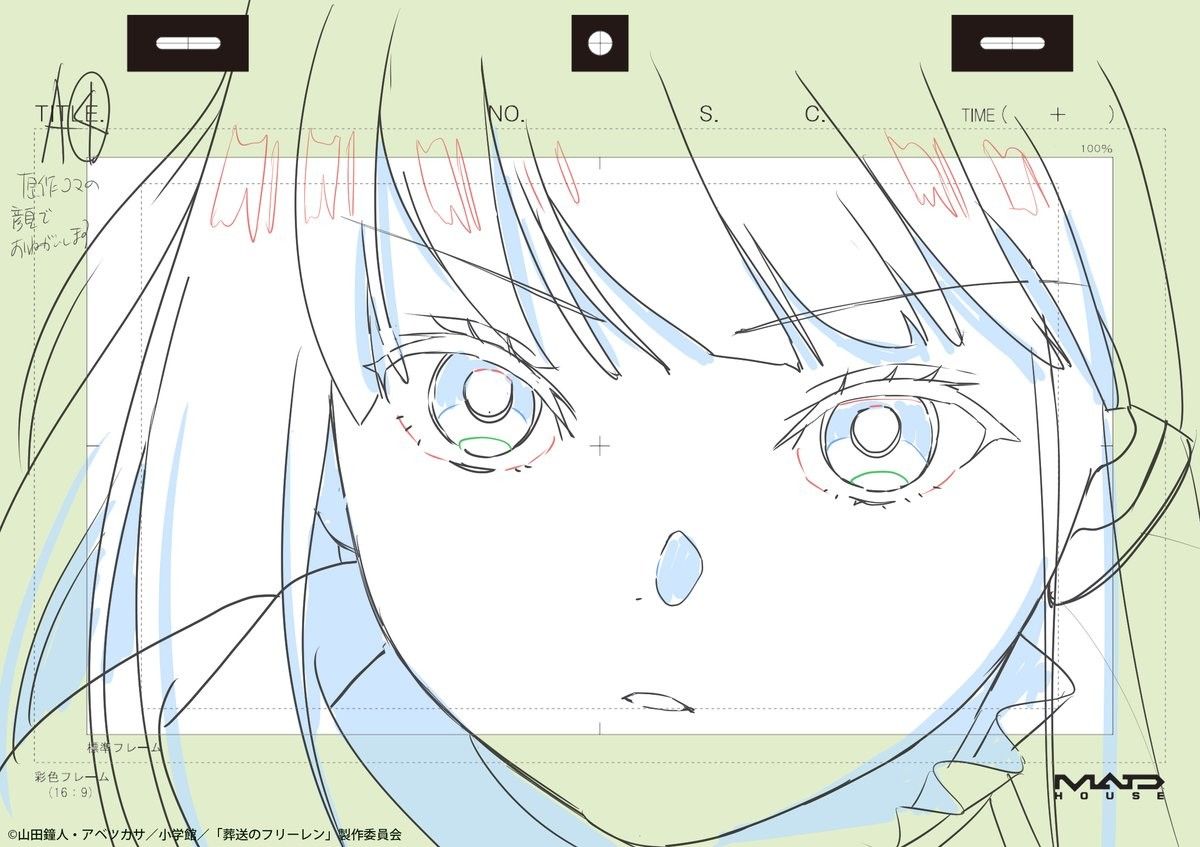
- In-between animation (douga, 動画): the artist who fills in everything between those poses so the motion flows and cleans up the key animator's rougher lines. It's also usually where newer animators start their careers.
That creative freedom in key animation is great for the craft and it's exactly why the next role in the anime production pipeline has to exist.
Sakkan: The Person Who Makes Everyone's Drawings Look The Same
This is the role that actually answers the question in this article's title.
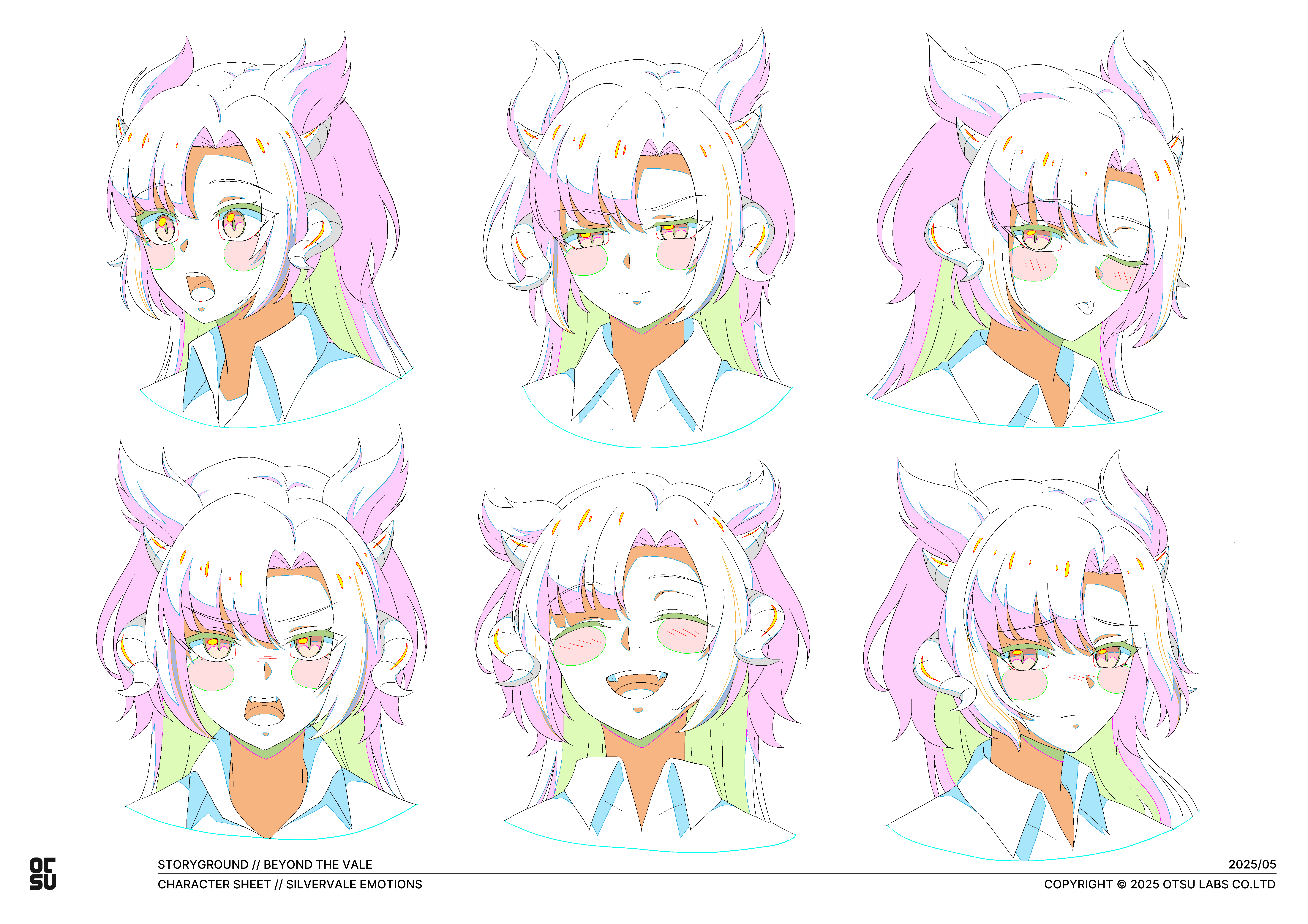
The sakuga kantoku (作画監督), almost always shortened to sakkan, is the animation supervisor whose job is to take the key animator's drawings with all their individual stylistic freedom and correct them so the character stays "on-model": correct proportions, correct expression range, correct line weight, matching the official character design regardless of who drew the cut.
A few things worth knowing about this role specifically:
- It was invented to solve this exact problem. The position dates back to 1963, created during the production of Wanpaku Ouji no Orochi Taiji and first given to animator Mori Yasuji. It was designed from day one as a buffer between less-experienced key animators and the final broadcast image.
- It's often the character designer themselves. There's a good reason for this: nobody understands what a character is supposed to look like better than the person who designed them.
- There's a "chief" version for the whole series. The sou sakuga kantoku (Chief Animation Director) oversees consistency across an entire episode or season, supervising multiple regular sakkan underneath them - because on any real production, there's rarely just one.
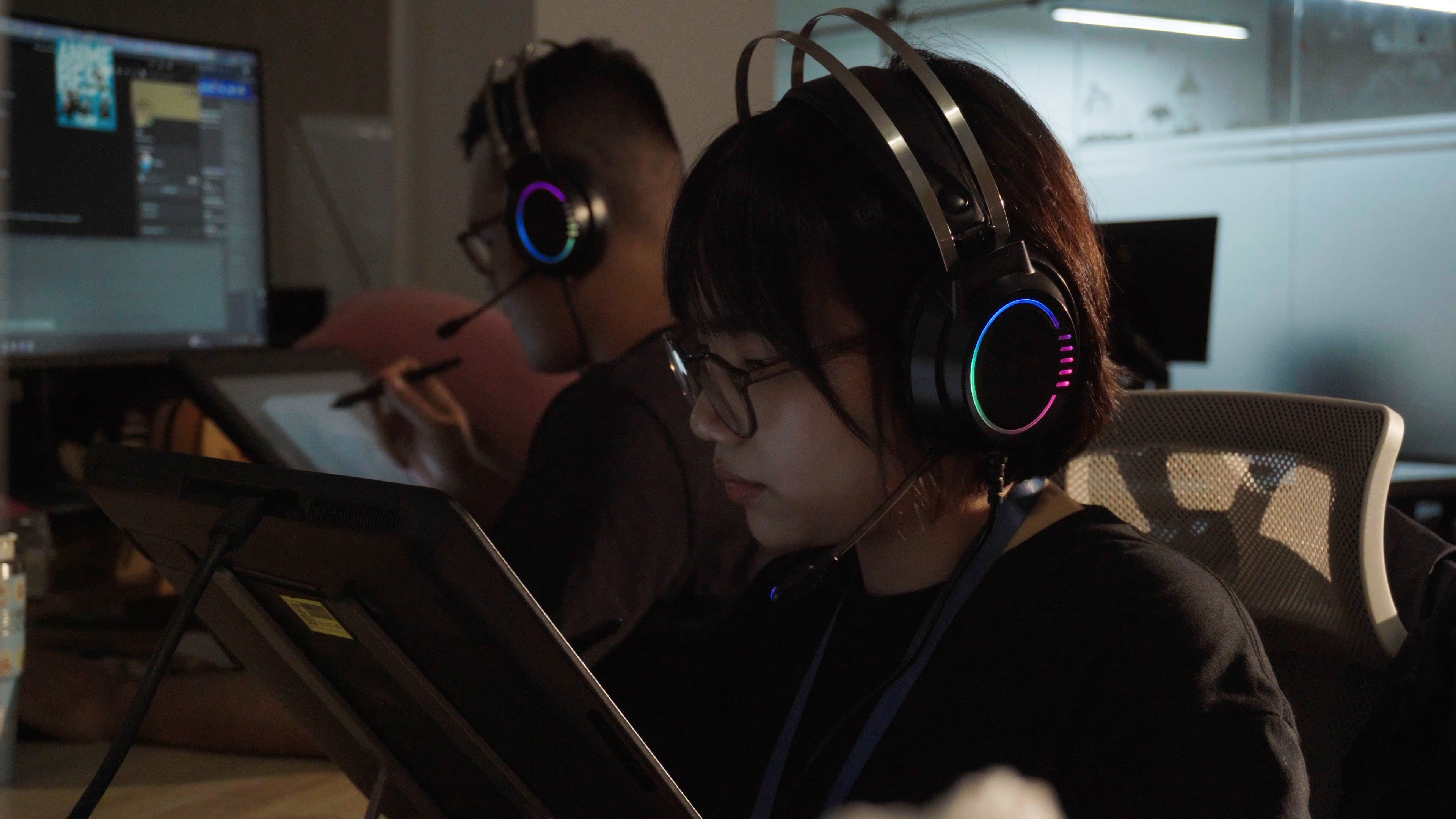
Without this role, key animation's creative freedom would show up on screen as visible inconsistency, cut to cut. With it, dozens of individual hands moving through the same anime production pipeline can produce something that still reads as one unified drawing style.
Where The System Breaks Down
To be honest about the limits of this system: it depends entirely on there being enough time for the sakkan to actually do the correction work and modern production schedules don't always allow that.
In the 1990s and 2000s, a typical episode needed just one sakkan, occasionally two. Today, it's common for a single episode to need seven or more and in extreme cases, far beyond that. The second-court finale of Attack on Titan: The Final Season reportedly credited 20 regular sakkan on a single episode, not counting specialized roles. That number isn't a sign of a well-oiled system - it's a sign of a schedule so tight that consistency has to be patched together after the fact by sheer headcount, which is part of why that season also drew criticism for visible inconsistency between cuts.
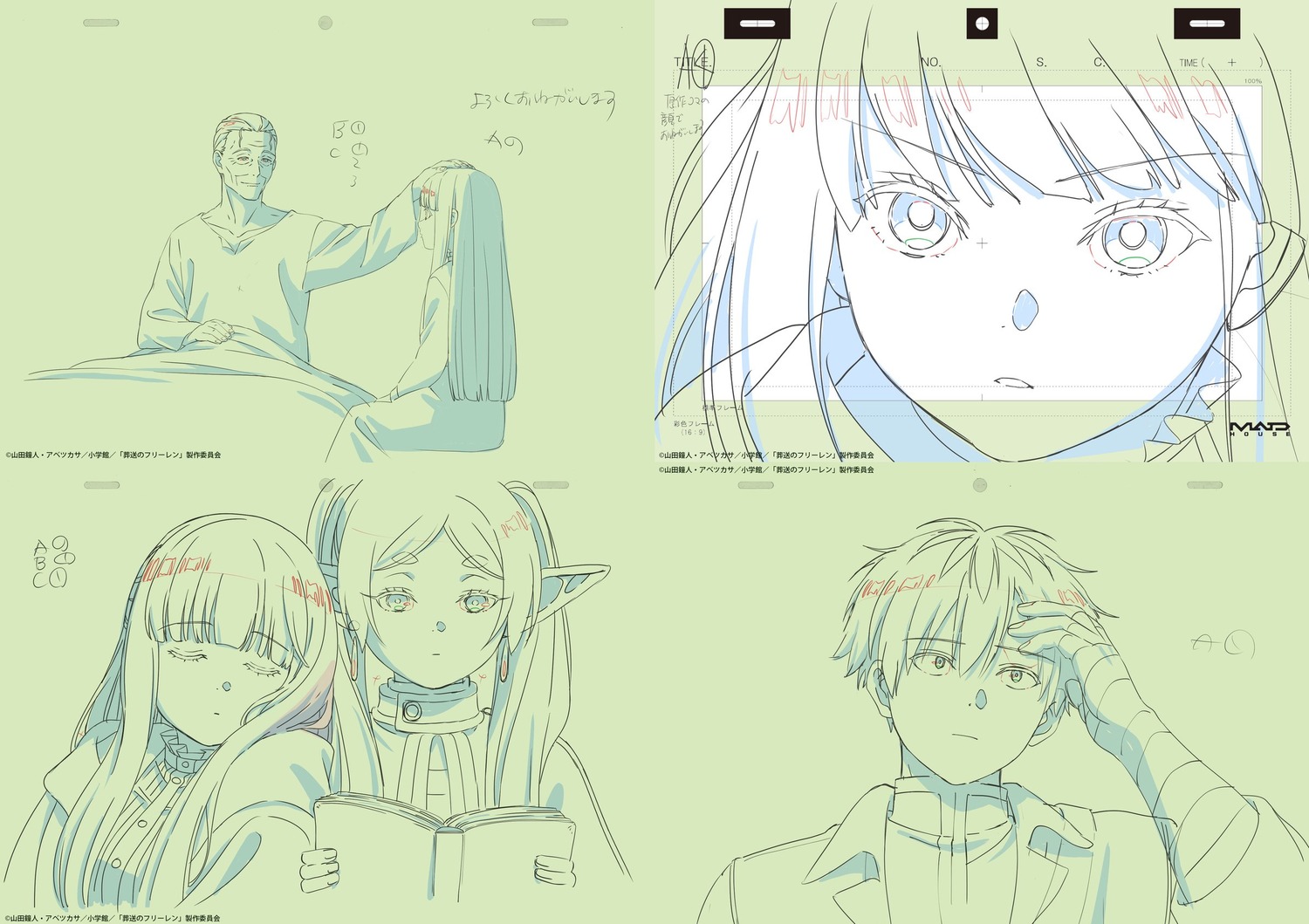
The lesson isn't that the system is broken - it's that consistency inside any anime production pipeline isn't automatic. It has to be actively protected and it's one of the first things to suffer when a schedule gets too aggressive.
Why Otsu Animation Builds Its Pipeline On The Same Principle
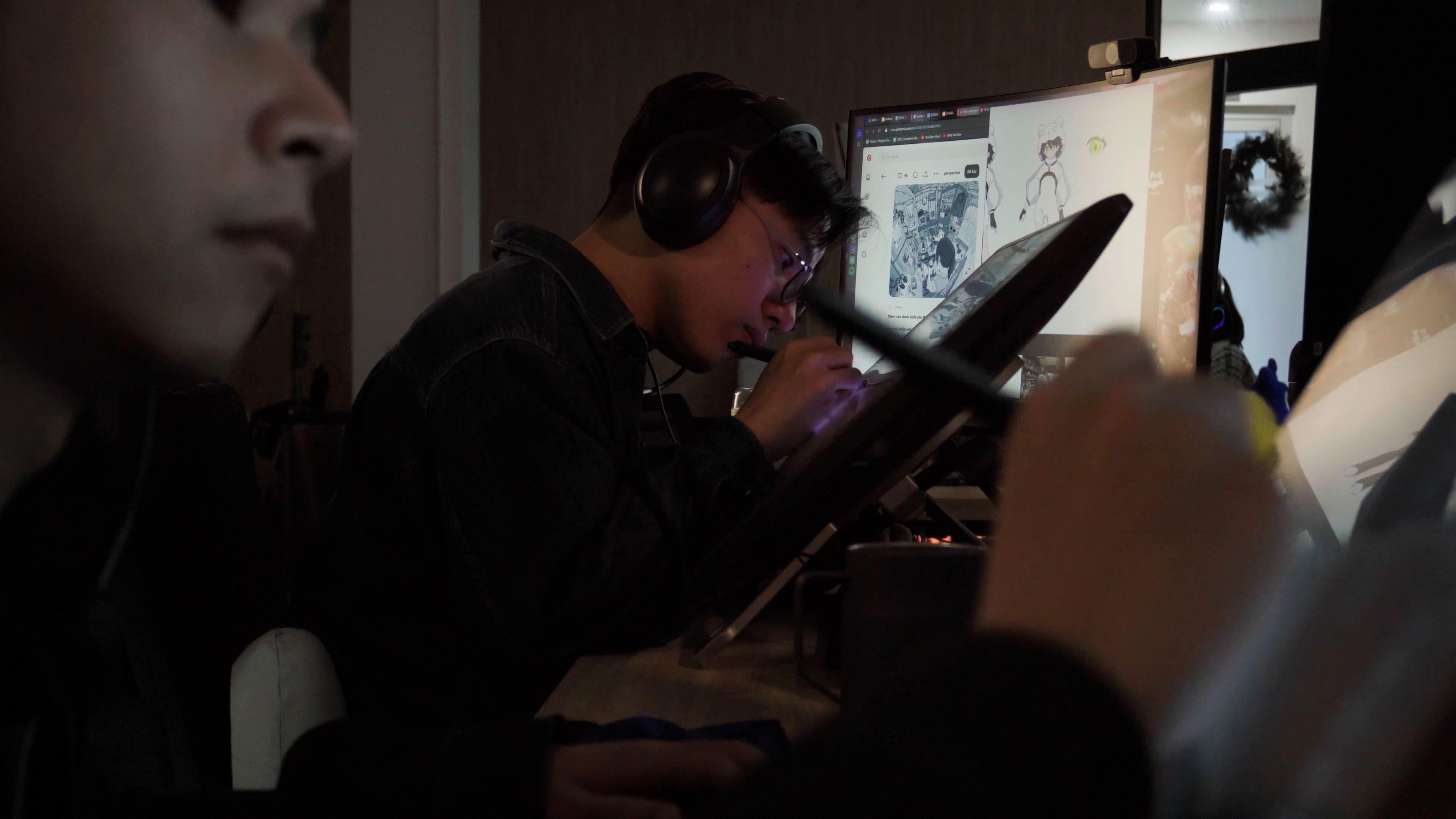
This is exactly why Otsu Animation keeps a dedicated sakkan role in our production pipeline - the same correction function that keeps a character on-model in traditional anime production. But our artists aren't locked into one position. Many of them are trained as all-rounders who can work layout, genga and sakkan alike, not just a single stage of the pipeline.
That means we can shift people to whichever role actually needs hands at any given moment, based on who's available, instead of stalling because one specific seat is full. It keeps the pipeline moving and saves real time on a project, without asking any one role to carry the whole weight of consistency alone - something you can see in how we run projects.
If any of this sounds like the kind of pipeline your next project needs - we'd love to hear about it here.
What is the anime production pipeline, in simple terms?
It's the process that turns a script into a finished episode: pre-production (script, character design, storyboards), production (layouts, key animation, correction, in-betweens, coloring) and post-production (sound and final compositing).
What is key animation in anime?
Key animation (genga) refers to the pivotal poses in a scene - the moments that define the motion - drawn before the gaps between them are filled in by in-between artists.
What is an in-between animator's job?
In-between animators (douga) draw the frames between the key animator's poses so the motion flows smoothly and clean up the key animator's rough lines for coloring.
What does a sakkan do in the anime production pipeline?
A sakkan (animation supervisor) corrects key animators' drawings so every character stays on-model and consistent, no matter which of the many artists on a series drew a given cut.
Why do some anime look inconsistent between episodes?
Usually a production schedule problem, not a talent problem. When a show needs far more sakkan than usual just to keep up with the workload, there's less time for real correction and visible inconsistency is the result.