Keeping Characters Consistent: A Talk with Otsu Animation’s Chief Sakkan
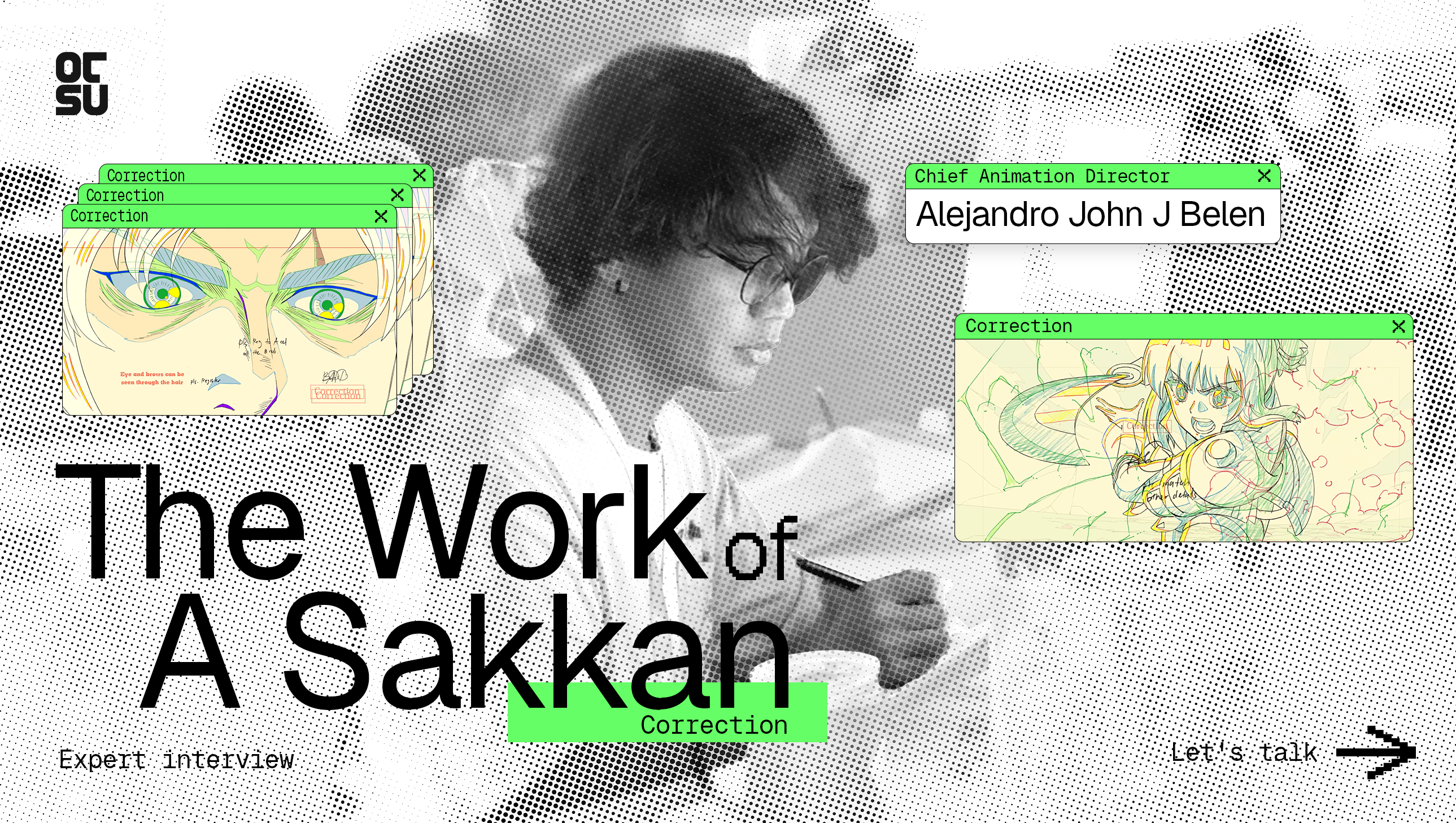
Alejandro John J Belen (AJ) is stepping into his leadership era, taking on the role of Chief Animation Director after 14 years in 2D animation. He sat down with Otsu Animation to talk about craftsmanship, character consistency and what it really takes to be a Sakkan in an anime pipeline.
In animation production, a Sakkan is the person responsible for keeping characters consistent - the same proportions, the same expressions, the same feel - from scene to scene, no matter which animator drew it. It’s a role most audiences never think about, but one that studios rely on to hold a whole production together. At Otsu Animation, that responsibility sits with Alejandro John J Belen, known to most Otsu-ers simply as AJ, currently Chief Animation Director & Chief Sakkan.
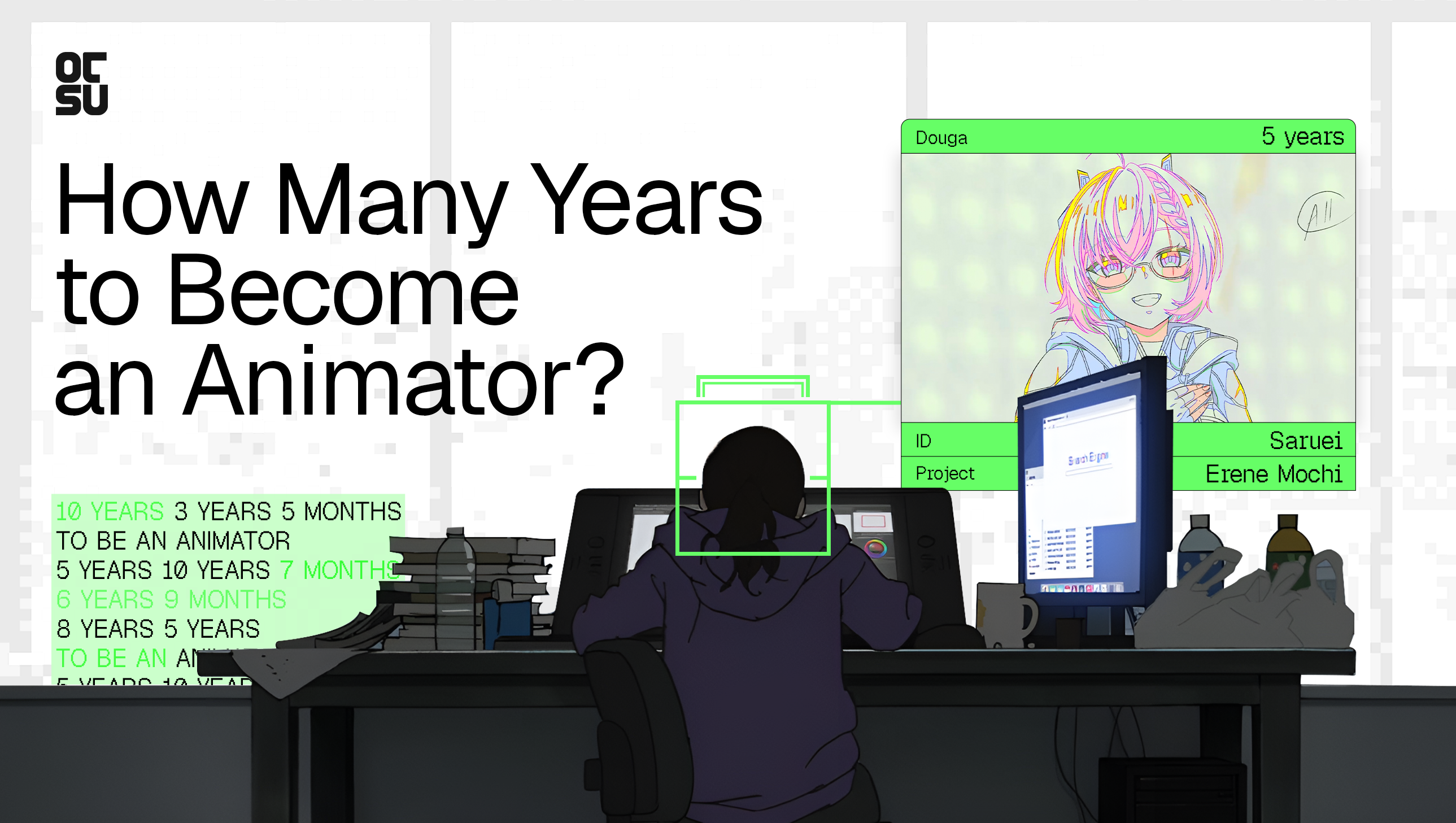
AJ has been working in 2D animation for 14 years. He started as a Douga artist for 4 years, then spent another 4 years as a Layout and Key Animator. For the past 6 years, he’s worked as Chief Key Animator, the role known in an anime pipeline as Sakkan.
Before joining Otsu Animation, AJ worked on Toei Animation titles including One Piece, Dragon Ball Super, Digimon Appli Monsters and World Trigger. At Otsu Animation, he’s continued that work on projects such as Nova Thera series, Whisper of Taiji and Neuro-sama’s MV. In this conversation, AJ talks through what the Sakkan role requires, why character consistency is crucial and what it takes to keep that standard across a growing studio.
The Journey of a Sakkan
Q: What drew you to this creative path?
AJ: I have really liked to draw since I was in grade school. I draw Son Goku of Dragon Ball Z all the time. My first dream is to be an architect, but since my family can’t afford to bring me to college to get a degree course, I think of something interesting as an alternative using my skills and end up entering 2D Animation (vocational).
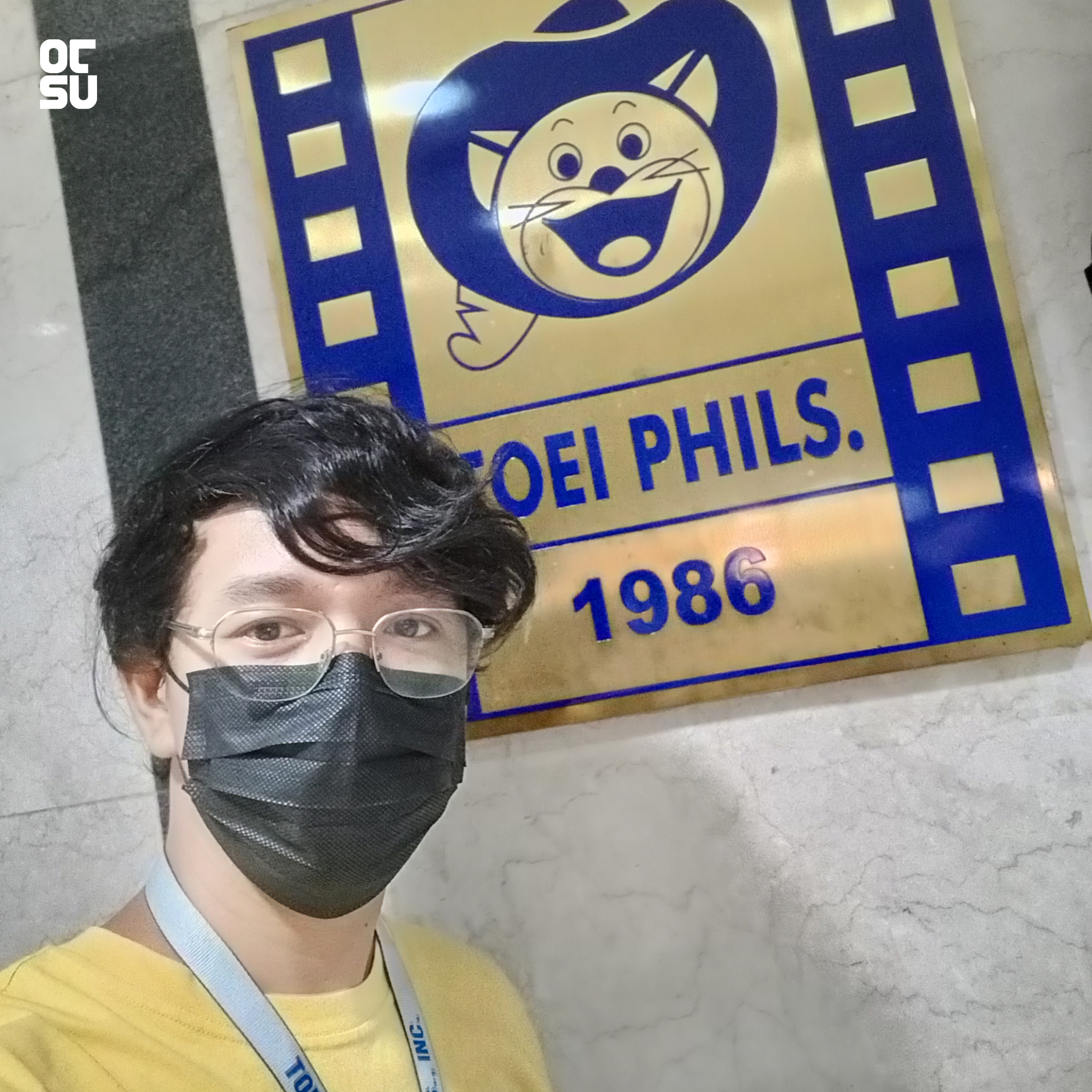
AJ: My journey to becoming an Animator starts in an internship. I've been accepted as an intern into a small animation studio, my work there is to help the company to render 3D image sequence and composite it. Before I finish my internship my boss asks me if I’m interested in entering TOEI ANIMATION PHILS. INC. then I answered “Yes.” After the Douga training, I began to take the entrance exam in TOEI and Passed. Every year the TOEI Animation conducts the LO (Layout) and KA (Key Animation) entrance exam. Suddenly Japanese staff were looking for animators who had the desire to learn digital LO and KA using Clip Studio, so I volunteered. That time the Chief key designer and animator Hideaki Maniwa, who was my mentor at that time, acknowledged my skill in making LO so good, characters drawn so well that he didn’t need to put corrections to my LO. And that’s how I became a Sakkan.
Q: What brought you to Otsu Animation? What is it about how the studio works that helps you take on the role of Chief Animation Director?
AJ: Through my good friend Julius I was able to know about Otsu Animation and our dear Founder Mr. Khoa who put great trust in me.
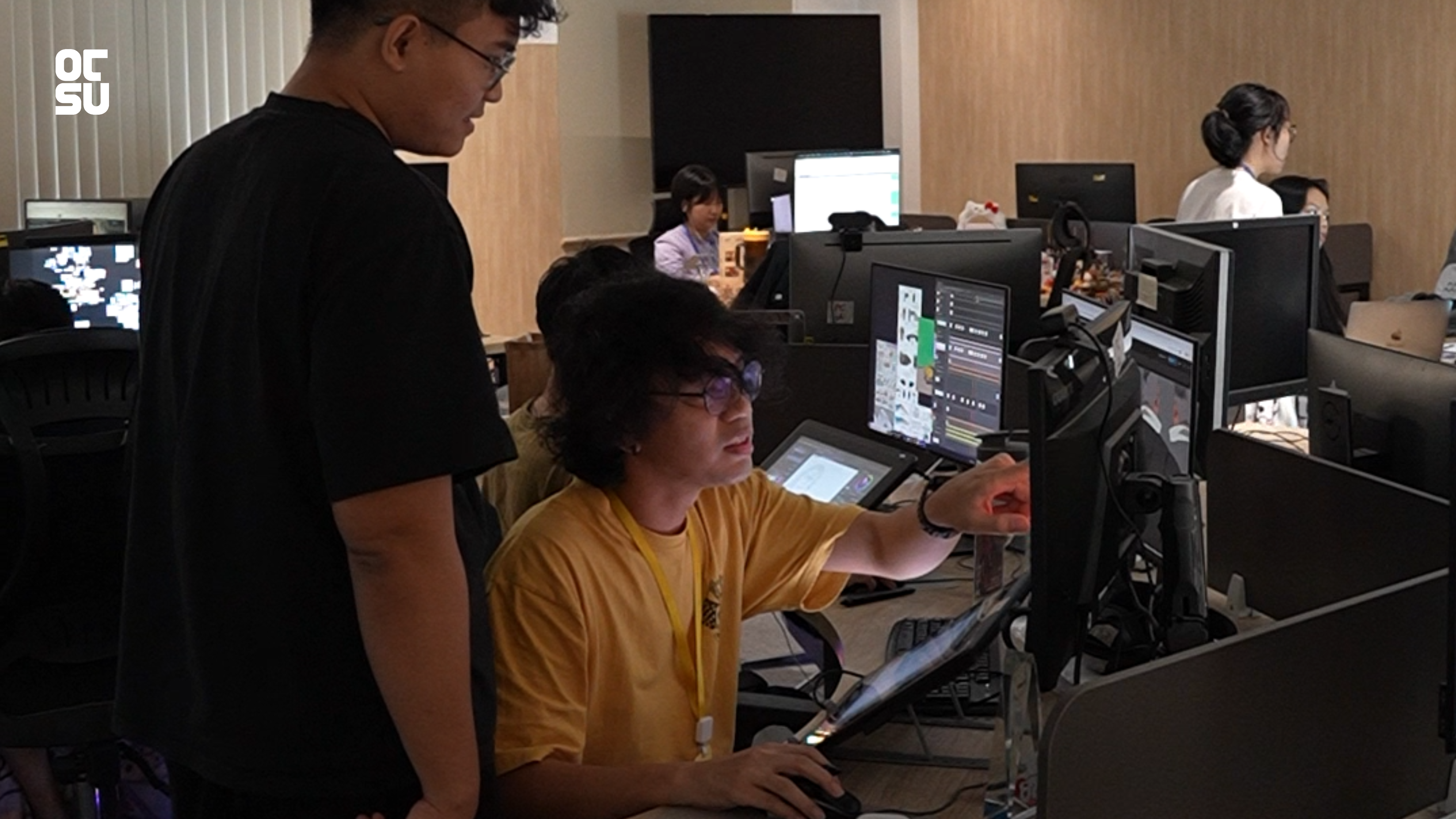
AJ: What stands out to me about Otsu Animation is the creative ideas and efficient production workflows that makes everything easier. People who’s very reliable and easy to communicate with, team work and values are very appreciated. High quality works that help me to think beyond that quality. And that’s what makes me a leader.
My role as a Chief Animation Director is to provide a clear creative vision while giving artists the support that they need in order for them to provide their best work.
Inside a Sakkan’s Workflow: Keeping Characters Consistent Cut by Cut
AJ: “Even with strong perspective or dynamic poses, the character should stay consistent.”
Q: Could you explain what a Sakkan does and how this role fits into the animation pipeline?
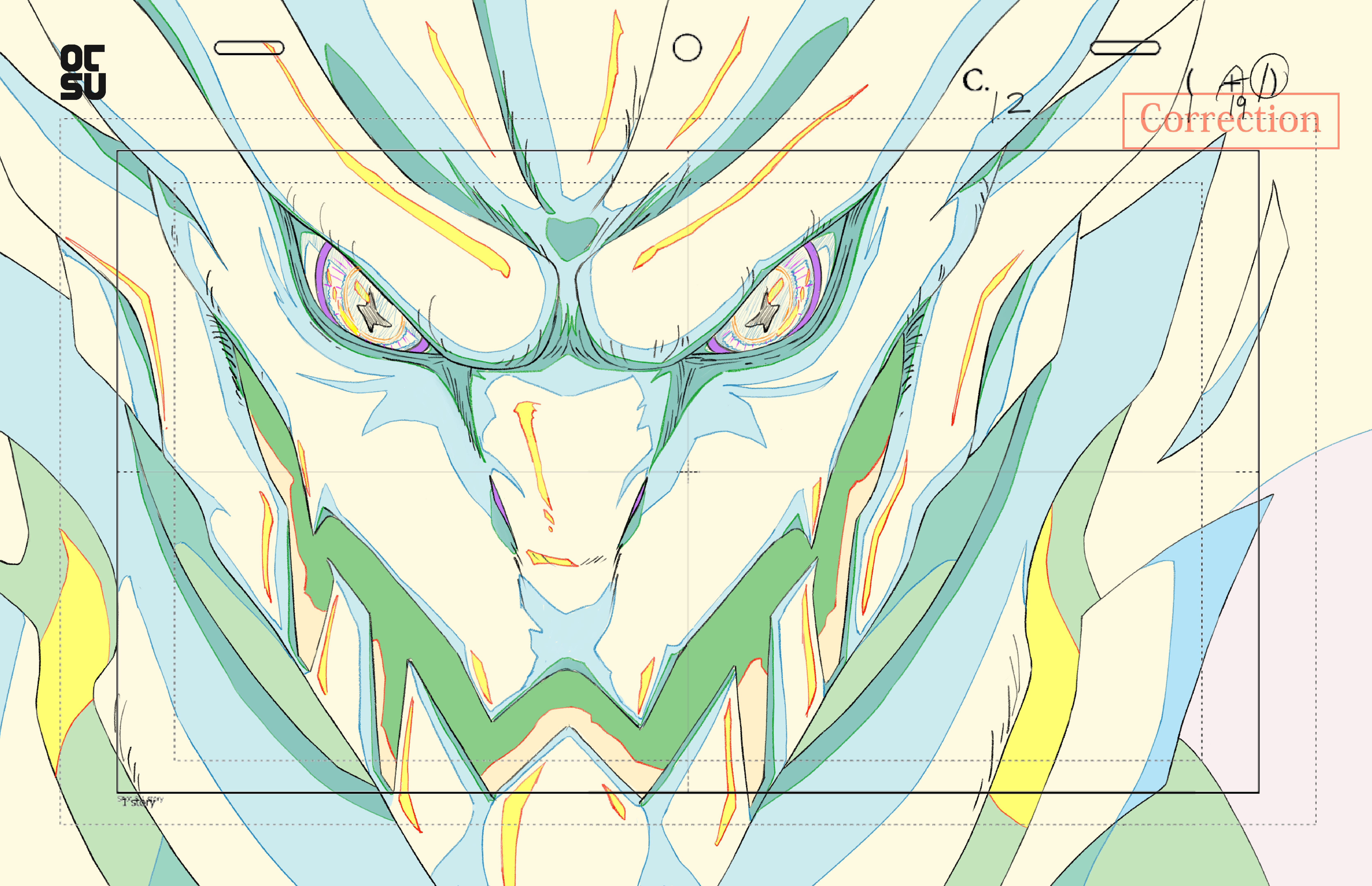
AJ: The Sakkan is a role in Animation, who’s responsible for securing the drawings quality after the EN (Enshutsu) stage. This role is so important for the consistency of the characters design and details from start to finish.
Q: What criteria do you use to evaluate whether it is on-model?
AJ: When I review a cut for a Sakkan check, the first thing I need to do is to believe in my eyes’ judgment. So the drawing should pass to my eye’s judgement first before it proceeds.
The criteria I’m using to evaluate the Sakkan is head shape, facial features, body proportions and distinctive design elements to make sure the character is immediately recognizable.
AJ: Next, I check whether the drawings maintain solid construction and volume throughout the movement. Even with strong perspective or dynamic poses, the character should stay consistent without drifting off-model. I also evaluate the expressions and acting to ensure they match the intended emotion.
AJ: “The purpose of Sakkan correction is for creating a clean and on-model key animation that will help next stages to go smoothly in the process.”
Q: What are the most common mistakes you see younger animators make when they first approach Sakkan work?
AJ: They just trace the EN and not get the right anatomy needed. And most of them are having hard time adjusting to the right art style and tend to apply their own art style.
Q: Sakkan work is known to be drawing-heavy. When schedules get tight, how do you handle major corrections?
AJ: When schedules get tight, I focus on applying corrections to those frames that have the greatest impact on the final result rather than trying to redraw every off model drawing.
I apply less correction but with complete details. So, the GE (Genga) will use that correction to apply for the remaining drawings that have not been corrected.
Q: How does Sakkan check help the animation pipeline?
AJ: Sakkan check helps protect both the production schedule and budget by identifying issues before they progress to later stages of the pipeline. Correcting the issues early reduces the retakes during Genga and in-between animation, compositing, or final review, which helps avoid unnecessary revision cycles.
The purpose of Sakkan correction is for creating a clean and on-model key animation that will help next stages to go smoothly in the process.
Q: Among the projects you’ve worked on at Otsu Animation, what is the one that had the most challenging art style to keep consistent and how did you overcome it?
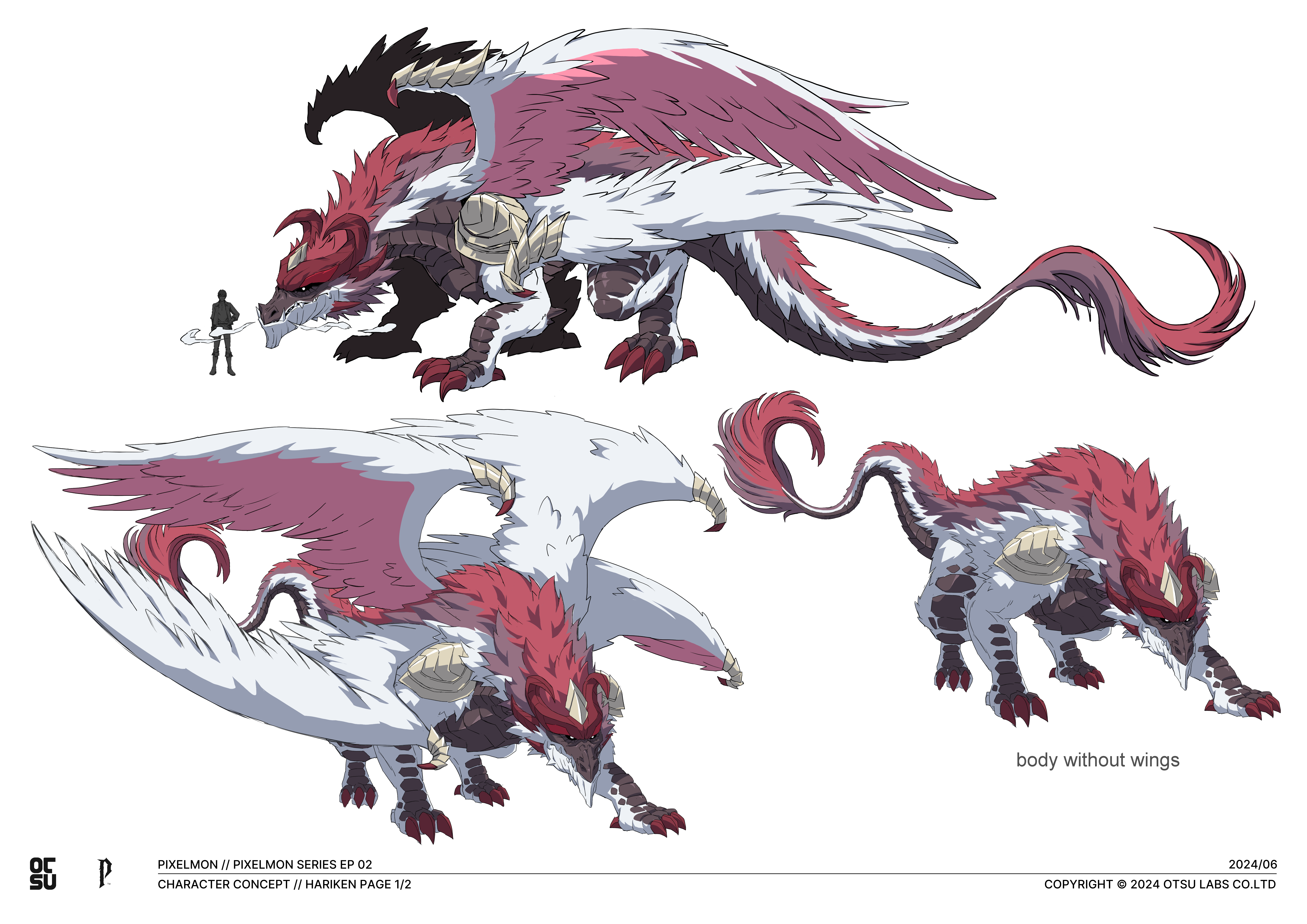
AJ: I think Pixelmon. The style is not that hard but still time consuming. Because the characters are very detailed like dragons, monsters and men with armors. I overcame this because of the drawing discipline I applied and also I like to draw because I’m aiming to make each of the drawings a masterpiece.
The Roadmap: Animation Training for Future Sakkan
AJ: “Being a Sakkan requires careful thinking of how they can improve the existing drawing and… push it beyond expectation.”
Q: What animation fundamentals does a Sakkan need?
AJ: LO/KA animators can be a SK (Sakkan) if their LO is drawn so well. You can determine it if the LO of that artist is so on model and not needed to be corrected in SK stage. In short you need great drawing skills.
Q: If a key animator wants to work toward becoming a Sakkan, what should their preparation roadmap look like?
AJ: First they should understand how perspective works. Observing the finish works in KA if they can match drawings using the SK correction. They should have the skill to adapt the required art style of a specific show.
I want them to think that being a Sakkan requires careful thinking of how they can improve the existing drawing and to be able to push it beyond expectation.
Q: In your view, what is the single most important factor in becoming a great animator - not just technically, but in terms of mindset and attitude?
AJ: Passion on what you do is the most important factor for me and what strives me to do more. Don’t stay in your comfort zone if you want to level up. Always accept new challenges and don’t fear failure. Failing is a challenge for you to do better.
Thank you AJ for sharing your craft and your journey with us.
About the Otsu team:
Otsu Animation is a creative animation studio focused on 2D anime style. We bring stories to life through a full production pipeline spanning character design, world-building and animation.
Our team brings together animators from global, with credits on projects including One Piece, Attack on Titan and Vinland Saga. We've worked with partners such as Garena, Azuki, Blizzard, Pixelmon, Vedal, Bucket Man on projects reaching 100M+ views worldwide.
Beyond commercial work, we're building original IP ecosystem through world-class storytelling to awaken inner weebs worldwide. So if we share the same vision, let's join us!
What does a Sakkan do at Otsu Animation?
They’re responsible for securing drawing quality after the EN stage, making sure character designs and details stay consistent.
What is the role of a Chief Sakkan?
They supervise the work of other Sakkan and have the final say on drawing quality, model accuracy and overall visual style.
How does Sakkan check protect the production timeline and budget?
A Sakkan check identifies issues before progressing to later stages of the pipeline. Correcting them helps avoid unnecessary revision cycles.
What are the common mistakes while keeping characters consistent?
Tracing the EN drawings without capturing the correct anatomy and struggling to adjust to the required art style. On projects with highly detailed designs, staying on-model also simply takes more time and discipline.
How to become a Sakkan at Otsu Animation?
When their Layout work is consistently on-model and requires little to no correction at the Sakkan stage. AJ recommends first mastering perspective and anatomy, observing finished Key Animation cuts and practicing by matching drawings against Sakkan corrections to build that skill over time.