Composition and Framing in Anime: The Master of Show, Don’t Tell
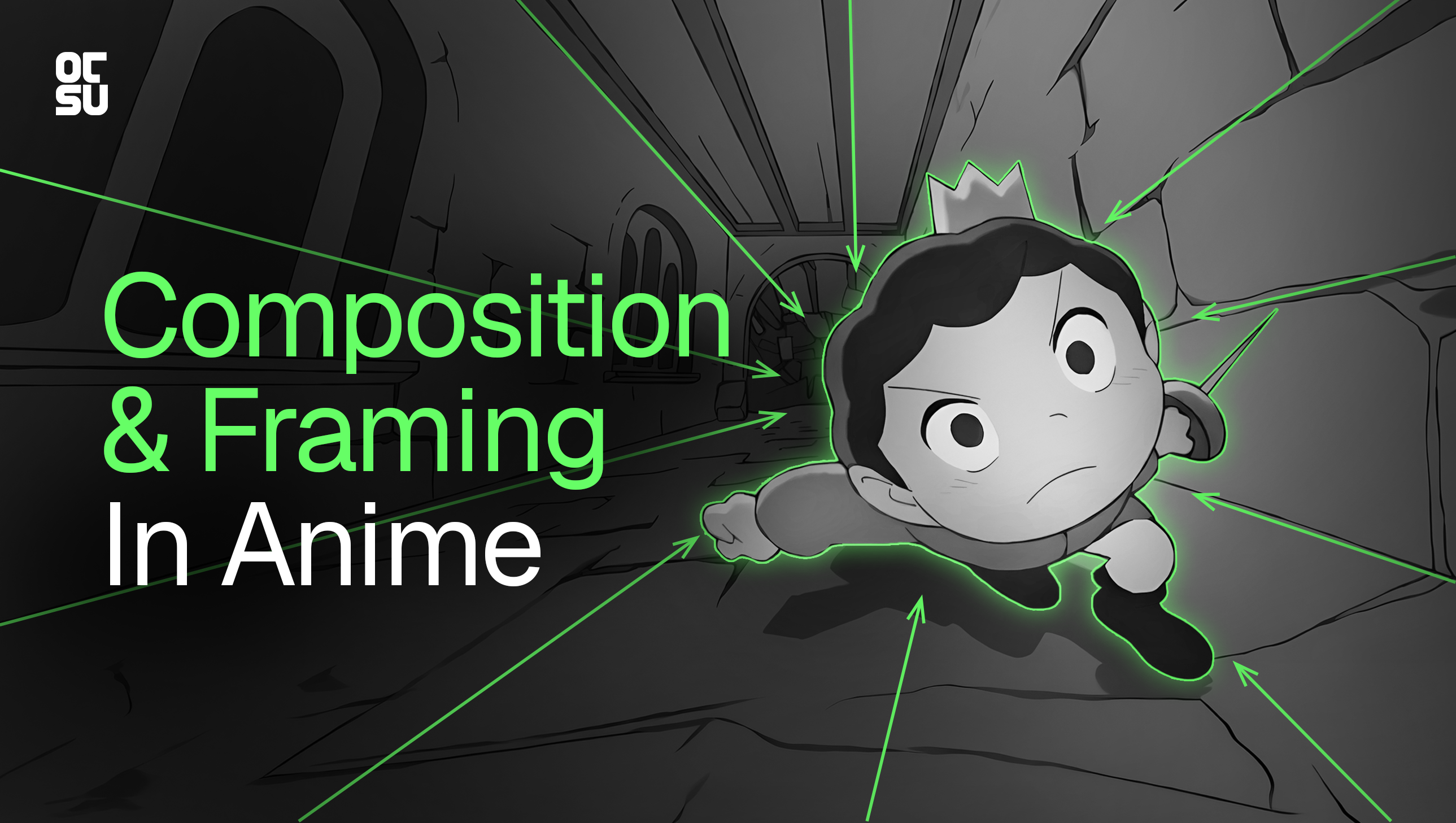
We've all heard of the classic Rule of Thirds in photography. Anime uses it, too. That rule is part of composition, one of the key elements that can make or break a scene's visuals. Every great shot we see comes down to what to show, what to hide, what to leave out of the frame and what to highlight to serve the story. So why does composition matter so much?
What is Composition and Framing?
Think of the screen as an empty box: composition decides what needs to stand out, what stays out of view and where our eyes go first when we look inside. Sounds simple, right?
In reality, composition is a wide term, it covers everything you see to guide our attention and support the storyline in the film. It includes where characters are placed, how close or far the camera sits, how light and color set the mood and how background lines point your eyes toward the main action, all working together to move the story forward and build emotion. And framing is one essential piece of that bigger picture, focusing specifically on the camera's borders and what gets cropped in or out of the shot.
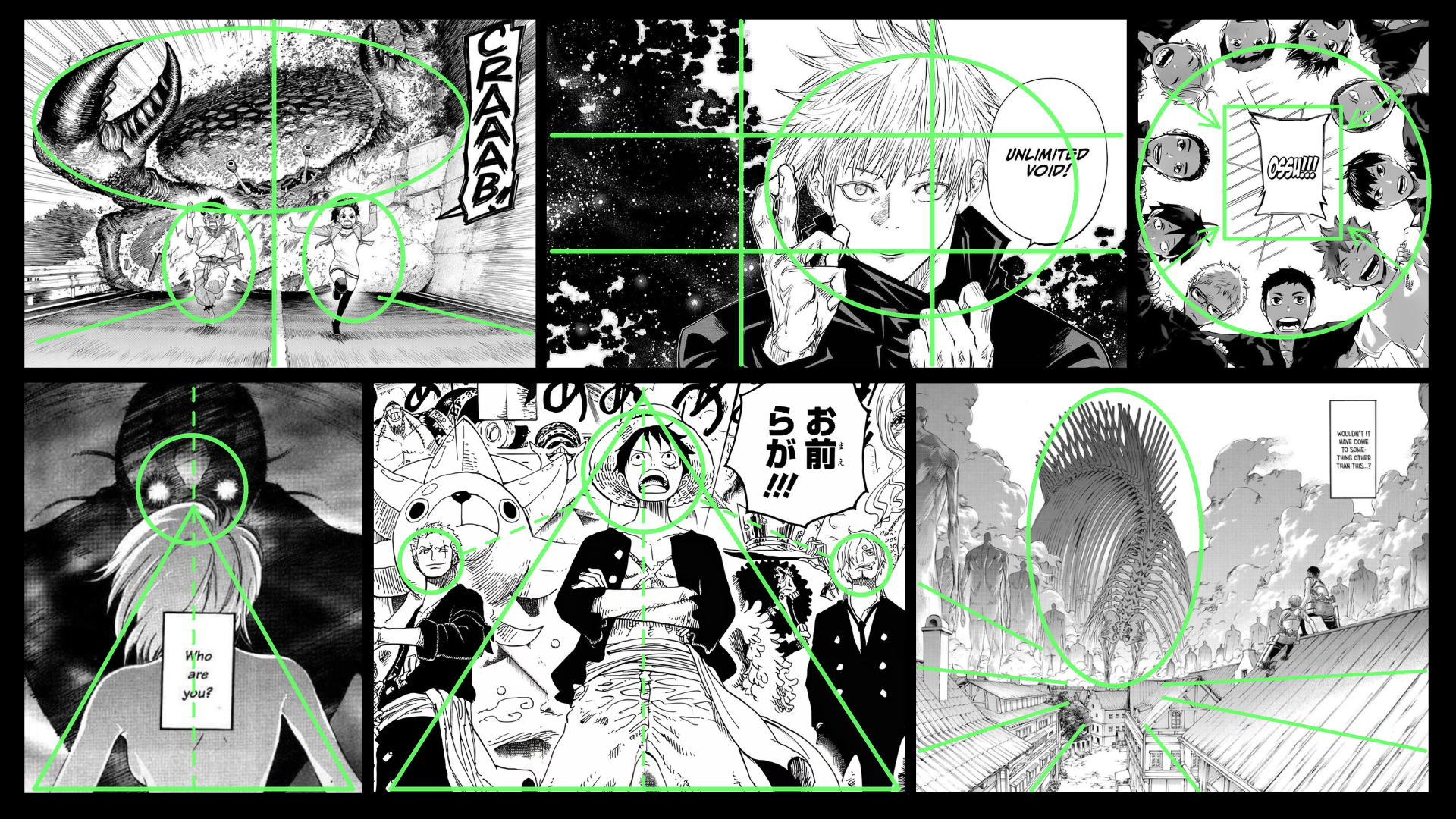
You can see this in manga too. Manga artists use these exact rules to balance main and background details inside each panel. Anime works the exact same way on screen.
Director's Vision Shapes a Shot
In anime production, planning a shot's composition starts early during the Storyboard (Ekonte) stage. Here, the director and storyboard artist map out how a scene should look, deciding what needs to be drawn and how everything is arranged so the visuals stay consistent with the script.
For example, when the script calls for her to feel tiny and overwhelmed by the massive structure opening in front of her in Whispers of Taiji, the storyboard uses a low-angle wide shot, making the gate dominate the frame while Nariko sits as a small figure near the bottom. Then, as she steps inside and sparks of electricity suddenly startle her, the framing shifts into tighter medium and close-up shots so the audience feels her surprise right alongside her.
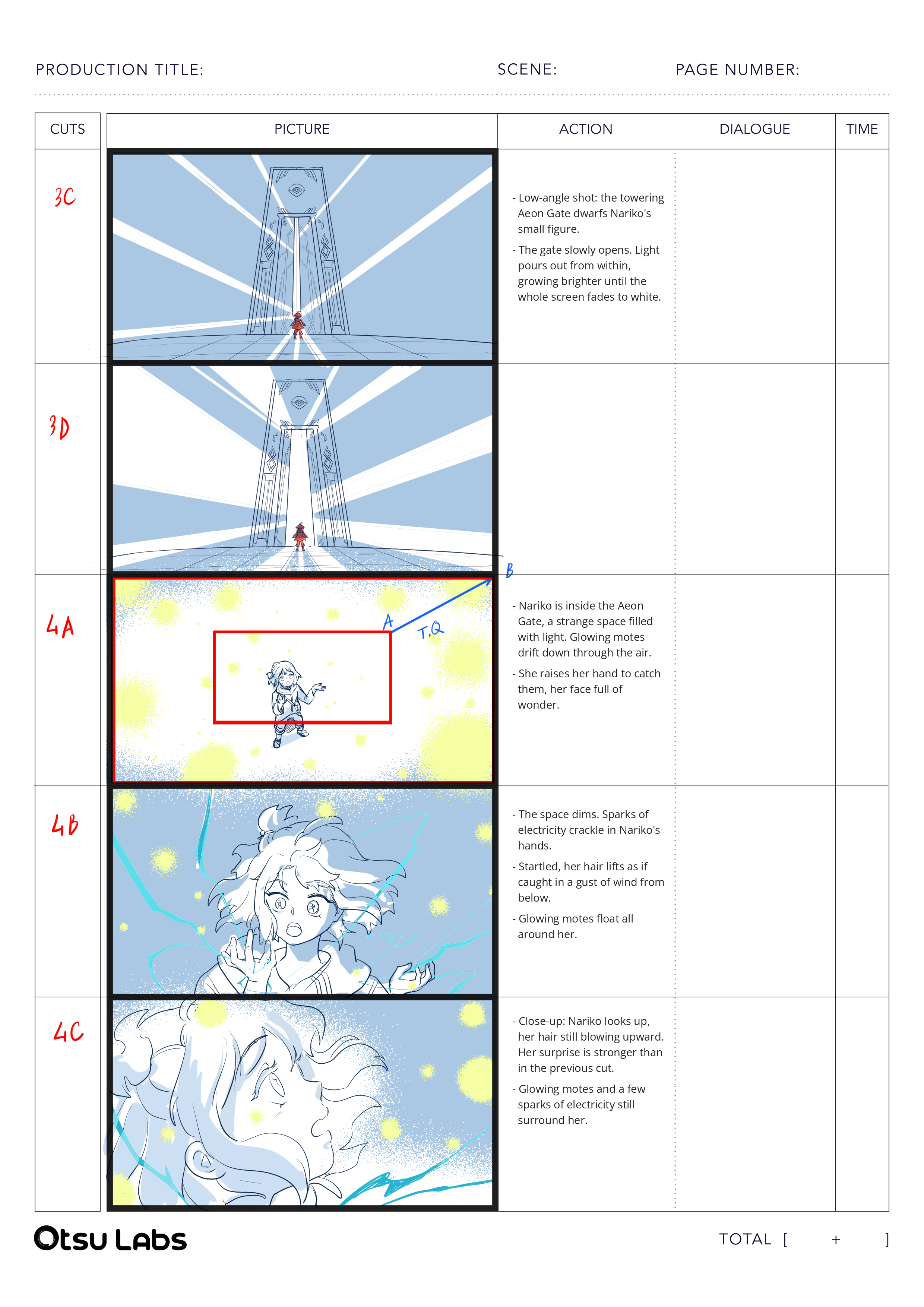
From there, those rough storyboards move into the Layout stage, where layout artists build the actual space of the shot. The team often tests different ways to frame the shot, adjusting the layout until it fits the exact mood of the scene. Once the storyboard and layout are locked in, the composition barely changes, everything after that follows the blueprint already set in place. Once the composition is planned, the scene moves into animation production. You can also read more about how storyboards are made in our earlier post to see how this step process.
Friendly reminder: Don’t confuse composition with compositing!
These two terms sound almost the same, but they refer to two very different stages of animation production.
- Composition comes first, during Pre-production. It decides how the scene looks on screen, like setting up your photo before you take it.
- Compositing comes later, in Post-production, once the key animation and coloring are done. It's where all layers come together, with lighting, shadows, depth and visual effects added so the shot looks finished, same as adding filters to your photo after you take it to make it pop.
Common Composition and Framing Techniques Used in Anime
Just like live-action movies, anime uses classic framing techniques to guide your eyes and shape how a scene feels. These rules are great for storytelling in anime. Here are some of the most common ones you will spot on screen:
Rules of Thirds
This is one of the most popular framing techniques out there. Picture the screen split into a 3x3 grid by two horizontal and two vertical lines. When a character or key object sits on one of those lines, or right where two of them cross, the shot feels more natural and balanced. Your phone camera probably has this grid built in, so try turning it on to train your eye!
Leading Lines
Leading lines are lines in a shot, real or imagined, that guide your eye toward something important. Think of roads, railway tracks, hallways, or even a character's gaze. Artists use them to point you to the main subject, or to link a character to an important object, person, or moment. If your eye keeps landing on one spot in a scene, leading lines are probably doing the work.
Negative Space
Every frame has two kinds of space: positive space, which is the subject itself and negative space, which is the empty area around it. So the question is simple: do you fill the frame with your character, or leave an empty room around them? To get this effect, animators often pull the camera back so the character takes up less of the frame.
Symmetry & Center
Simply put, symmetry means both sides of the frame mirror each other. Directors often place two characters on opposite sides of the screen with matching poses or framing to show an equal match. Or with center framing, means placing the subject right in the middle, making the shot feel bold, intense and a little unsettling. Anime loves this for iconic rivals like Naruto and Sasuke, or Light and L in Death Note, where the setup instantly shows the tension between them.
Frame within a frame
Objects inside the scene, like open doorways, classroom windows, mirrors, or even the gap between two people’s shoulders, create a second border around a character. This naturally pulls your eyes straight to the main subject, adds depth to the background and subtly makes it feel like a character is trapped, isolated, or being watched from afar.
Beyond these five common rules, anime directors also use plenty of other classic rules, like the Golden Ratio for natural visual flow, diagonal lines to add energy and movement, or triangle composition to create stability and balance among characters, mixing and matching them depending on what the scene needs. Pair those framing choices with the right camera angles and movement, and even a simple scene becomes much more engaging to watch (Check out how anime camera movement works here to see how motion fits alongside framing).
Framing a Story using Composition
Composition lets a scene tell the audience things without anyone saying a word.
"Show, don't tell" is one of the oldest rules in storytelling. Instead of a character saying "I feel lonely" or "I don't trust you," the story lets you see it and feel it for yourself. In anime, composition is one of the best ways to do this. Composition works on our gut feelings, so we simply feel the tension, the loneliness, or the warmth. When it's done well, the picture tells the story before the characters even open their mouths.
Composition can work real magic. Many skilled storyboard artists and directors love hiding deeper meaning in how they frame a shot. Take the Fieren scene as the masters of negative space and composition. This scene where Stark and Fern standing on the castle wall in Frieren. At this point, they're still strangers to each other. Look closely: the camera angle splits them into separate frames, and there are walls you can actually see boxing each of them in. Even our view of the characters is blocked.
Then Stark opens up to Fern, and they start to understand each other a little better. Right then, the camera moves from facing them to looking from behind. Now they're facing the same direction and the "wall" between them is gone. We can see them both clearly, side by side in the same frame, with nothing in the way.
Or take Shiboyugi (Playing Death Games to Put Food on the Table), directed by Souta Ueno, as a clear example of how framing tells a story without a single line of dialogue. Many cuts use high, distant "observation" camera angles, almost like security cameras watching from above putting you in the shoes of an unseen spectator watching a live death game unfold right in front of you.
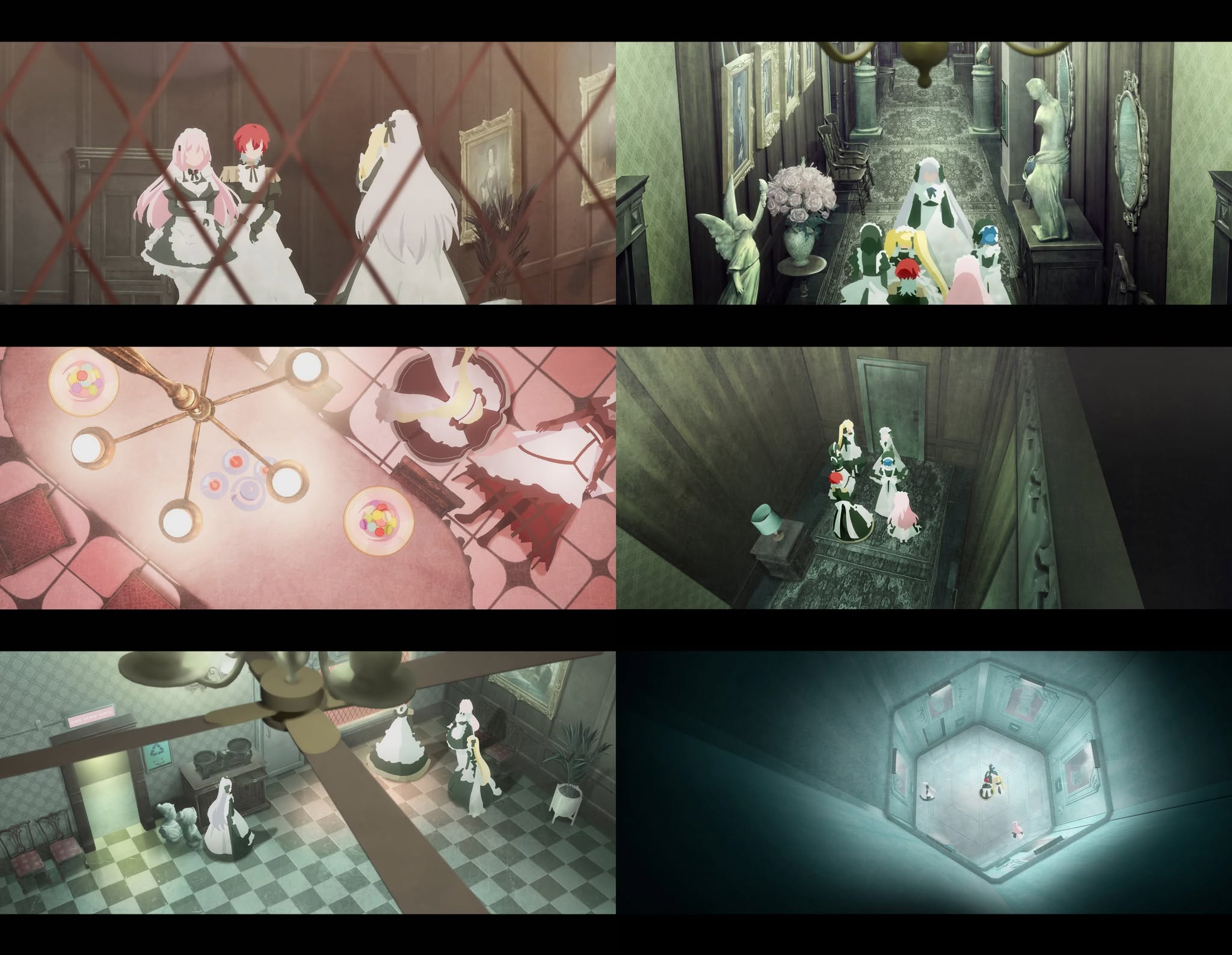
In other moments, Ueno pulls the camera back into extreme wide shots where the character takes up only a tiny spot inside a vast, empty space, immediately showing their isolation. On the flip side, some frames squeeze tightly around the character with walls, shadows, or objects closing in, creating an uncomfortable, suffocating sense of pressure when danger gets close.
Because anime requires drawing every single frame from scratch, none of these choices happen by accident. When directors use framing intentionally like this, you don't just follow the plot, you feel the exact tension the characters are stuck in. Figure out what Otsu Animation has done and what we can do for you in your upcoming project.
What is composition in anime?
It's how a shot is arranged on screen to guide your eyes and tell the story.
Why is composition important in anime?
It shows characters' feelings and relationships without needing any dialogue.
What are the most common composition techniques in anime?
Rule of Thirds, leading lines, negative space, symmetry, and frame within a frame.