5 Animation Trends in 2026: Techniques, Genres, Examples
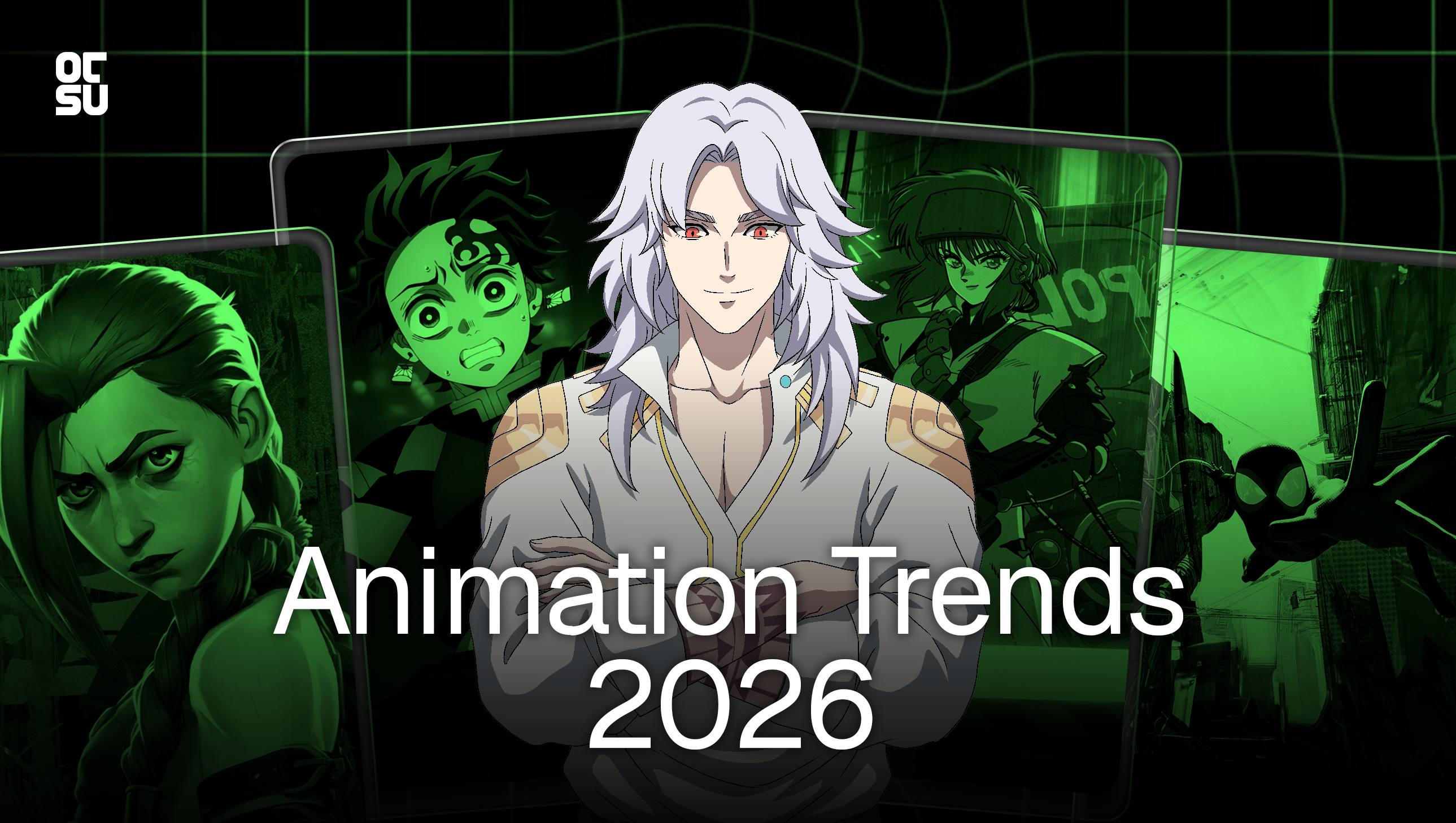
The animation industry is changing fast over the past half-year. From hybrid animation techniques and AI-powered workflows to cross-platform storytelling, today's innovations are transforming every stage of production. For animators and studios alike, understanding where the industry is headed is key to creating work that remains relevant and impactful. In this blog post, we look back at 5 major animation trends that dominate in 2026.
Hybrid 2D & 3D workflows become the industry standard
Hybrid production is now a major standard among animation trends in 2026. Hybrid production has evolved from a technical solution into one of the defining animation trends of modern animation. More studios now treat it as a standard workflow rather than an experimental technique.
Artists can build complex scenes faster with 3D tools. They can also spend more time refining acting, timing and visual effects in 2D. This technique gives 3D spaces a warm human touch. This approach dominates action anime, fantasy adventure shows and flagship video game cinematics. This approach gives studios more control over perspective while keeping the expressive quality of traditional animation.
Hybrid workflows improve both creativity and production efficiency. This balance helps studios deliver high-quality animation while keeping production schedules manageable. One of the best examples is Demon Slayer: Kimetsu no Yaiba - Infinity Castle. Studio Ufotable combines hand-drawn characters with detailed 3D environments, dynamic camera movements and digital compositing. The result feels cinematic while preserving the visual appeal of traditional 2D animation.
Another example is Attack on Titan: The Final Season. MAPPA uses 3D models for the Titans during fast action scenes while keeping the characters animated in 2D. This allows more complex camera movement without losing the overall visual style.
Retro 90s Animation is making a comeback
One of the biggest animation trends in 2026 is the return of classic anime from the 1990s and early 2000s. More studios are bringing back well-known titles through remakes, reboots and new sequel projects. This trend is expected to continue over the next few years as both longtime fans and new audiences show strong interest in these stories.
According to Anime Data Insights Lab in Japan, at least three anime revivals became major discussion topics in 2025. These include Hell Teacher: Jigoku Sensei Nube, Cat's Eye and YAIBA. Their popularity was driven largely by viewers in their 30s and 40s who grew up with the original series. Many fans were eager to see familiar characters return with modern animation quality.
For studios, reviving classic anime is also a practical business decision. Popular titles already have an established audience and strong brand recognition. This lowers the risk compared with launching a completely original series. At the same time, remakes introduce these stories to younger viewers who may have never watched the original versions.
The trend is already expanding into 2026. Magic Knight Rayearth and High School! Kimengumi have both announced new adaptations, while more sequels and remakes of popular 90s and 2000s anime are expected to follow. As demand continues to grow, classic franchises are becoming an important part of many studios' production plans.
Many modern productions borrow visual elements from older anime, including cel-inspired coloring, softer color palettes, subtle film grain and imperfect line work. These artistic choices recreate the warmth of traditional 2D animation while taking advantage of today's digital production tools.
The shift towards NPR and stylisation in 3D Animation
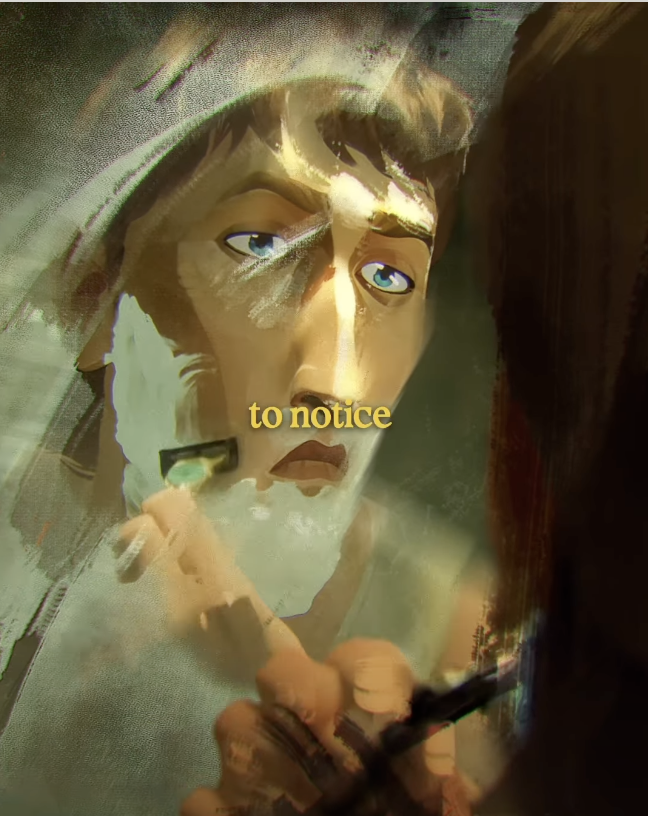
Another important animation trend is the growing use of Non-Photorealistic Rendering (NPR) in 3D animation. Rather than chasing photorealism, many studios are choosing visual styles that look closer to paintings, illustrations, or hand-drawn artwork.
This shift allows each project to build a stronger artistic identity. Visible brush strokes, textured shading, simplified lighting and bold color choices make every frame feel unique. Instead of asking viewers to admire technical realism, these productions focus on creating memorable visual experiences.
One of the biggest milestones was Spider-Man: Into the Spider-Verse, which introduced comic-inspired textures, halftone patterns and hand-drawn effects into a 3D pipeline. Since then, more studios have explored stylised rendering in different ways.
Arcane combines painterly textures with realistic lighting to achieve a cinematic look, while The Willoughbys adopts illustrated textures and simplified shapes that resemble a children's storybook. More recently, The Wild Robot has continued this direction with painterly backgrounds and expressive rendering that gives every frame the feeling of concept art.
The Rise of Short-Form Animation
Short-form videos have become one of the fastest-growing animation trends in recent years. More studios are creating animated content for platforms such as TikTok, Instagram Reels, YouTube Shorts and even LinkedIn. Instead of producing only long-form series or films, animation teams now build short videos that are easy to watch and share.
This shift has changed the way studios plan their content. A 15 to 30-second animation can introduce a new project, explain a production technique, or showcase a memorable scene. These videos help studios connect with audiences more often while reaching viewers who may never search for a full trailer.
Many anime studios have also adopted this strategy. Studios such as MAPPA, CloverWorks, and Ufotable regularly release short promotional clips, character videos, behind-the-scenes content and animated teasers across social media before a series begins airing. These clips build excitement and keep audiences engaged throughout a project's production cycle.
The growth of short-form content has also created new opportunities for independent artists. Animators can publish original loops, animation exercises and personal projects without producing a complete short film. A single well-crafted clip can reach millions of viewers and attract freelance work or studio collaborations.
As audiences continue to consume content on mobile devices, short-form production is becoming an important part of the modern animation industry. It is no longer just a marketing tool. It is now one of the most influential animation trends shaping how studios communicate with their audiences.
AI-Powered pipelines. Human-driven creativity
Artificial intelligence continues to influence the industry, making it one of the most discussed animation trends in 2026. However, the role of AI has changed. Instead of replacing artists, many studios now use AI to support different stages of production.
AI tools can generate storyboards, organize references, create rough concepts, improve lip-sync, remove repetitive tasks and speed up clean-up work. These tools help artists save time, allowing them to focus on creative decisions that require experience and artistic judgment.
Several animation studios have already begun experimenting with AI-assisted workflows. Japanese studios such as Toei Animation and OLM Digital have explored AI for background processing and production support, while companies like Netflix Animation have discussed using AI to improve workflow efficiency rather than replace creative teams. Across the industry, AI is increasingly viewed as a production assistant instead of a creative director.
Despite these advances, audiences still value work that reflects human creativity. Acting, timing, composition, storytelling and emotional expression remain difficult to automate. These qualities continue to define great animation, whether it is 2D animation, 3D animation, or a hybrid production.
As AI technology continues to evolve, studios are likely to integrate more intelligent tools into their pipelines. At the same time, artists who understand storytelling, design and performance will remain essential. This balance between technology and craftsmanship makes AI-assisted production one of the most important animation trends for the years ahead.
What these trends mean for the future of animation
The animation trends shaping 2026 reflect an industry that is becoming both more efficient and more creative. AI, hybrid workflows and advanced production tools are helping studios work faster, while audiences continue to expect distinctive visuals and meaningful storytelling.
As these animation trends continue to evolve, successful studios will combine technology with artistic vision. By bringing together 2D animation, 3D animation, AI-assisted workflows and strong storytelling, they can create animation that stands out across every platform and connects with audiences in lasting ways.
Animation trends will continue to evolve, but great storytelling never goes out of style. If you're looking for an animation partner who combines creative vision with modern production techniques, we are ready to help. Contact us today!
What are the biggest animation trends in 2026?
Hybrid workflows, retro anime, stylised 3D, short-form animation and AI-assisted production.
Why are studios combining 2D and 3D animation?
To improve efficiency while preserving the expressive look of traditional animation.
What is NPR in 3D animation?
NPR creates stylised visuals that look like paintings or hand-drawn artwork.
Will AI replace animation artists?
No. AI supports production, while artists remain essential for creativity and storytelling.