Understand Anime Genres and Their Real Audiences: To Make Anime Target Your Right Ones

“Shonen, Shoujo, Seinen” you've seen these tags everywhere, but they're not anime genres. They're demographic labels hiding a much bigger story: why "boys' anime" attracts huge female audiences, which genres actually dominate globally, and how audience data quietly shapes the way studios like ours build every production.
Shounen Or Shoujo Is Not An Anime Genre
Whenever you search for an anime or manga, you might see those repeatable tags like: shounen, shoujo, seinen, josei, etc. Many people assume these are anime genres in the same way action or romance are, but they’re not. These are demographic labels that categorize the original audience they published for. In Japanese, shounen means “young boy”, shoujo is “young girl”, seinen is “adult men” and josei is “women”. These labels actually came from the Japan manga publishers, where each magazine targets a specific audience group. The manga published in those magazines will have its demographic tags no matter what the story is.
This answers why you rarely see candy-sweet romance stories in a Shounen magazine, not because those are “banned” here, instead because the magazine is originally developed for young boys, who the publisher thinks may be more into action, adventure and that kind of energy than purely romantic storytelling.
Instead of thinking of shounen as an action genre, you can imagine the demographic labels as a “book shelf” in the book store. The labels in the book shelf let you know which area you’re heading to, not telling you exactly which kind of story the book in the shelf is. A shounen magazine can also have action, comedy or even light romance as long as it tells the way fits the target audience's taste.
So, What Is Anime Genre?
This is the second categorized filter, which tells what the story is about. Different from the demographic labels. Here’s a brief definition of some popular anime genres.
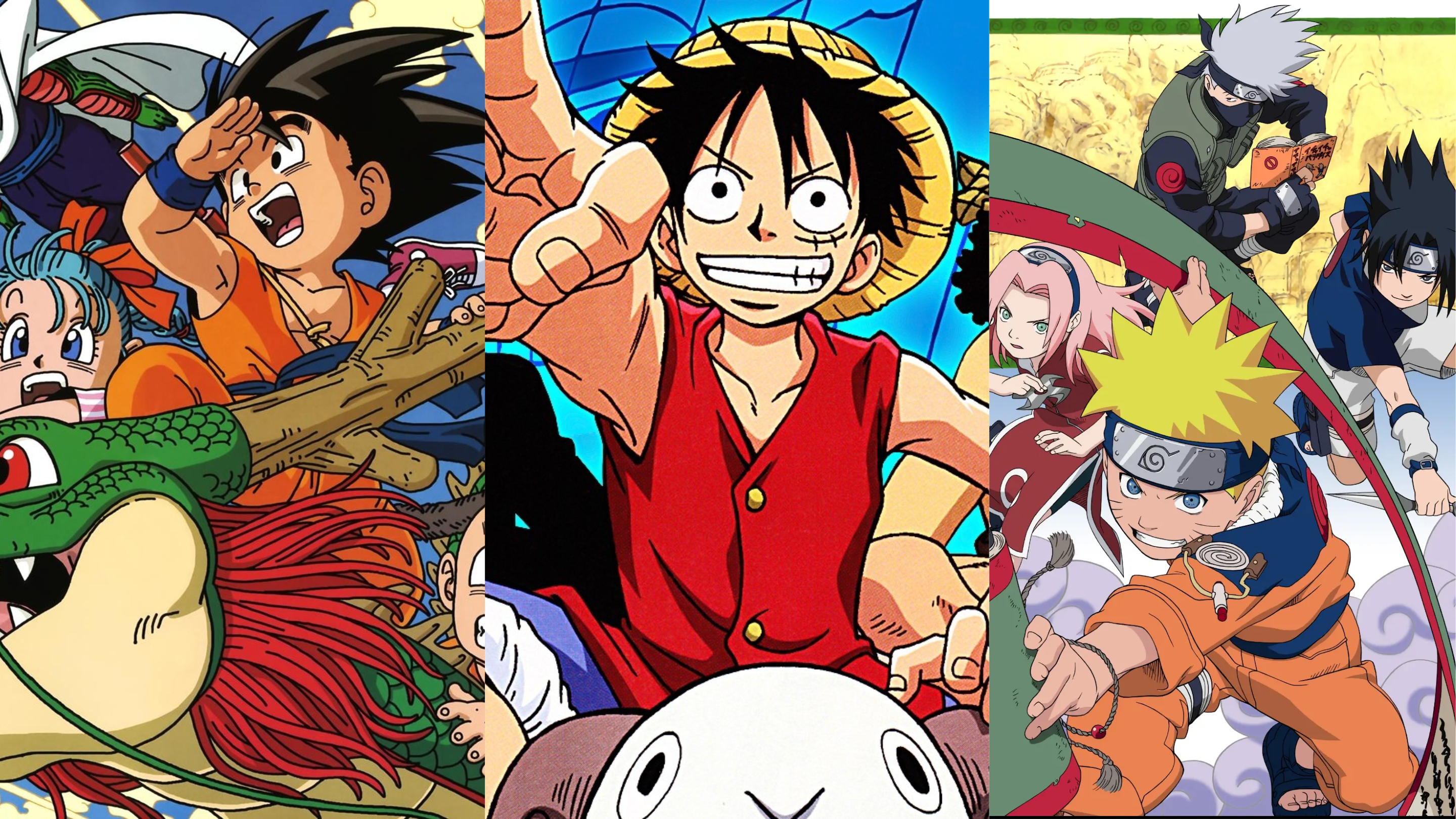
- Action/Adventure: story that has action patterns, intense battles, where the protagonist has to deep dive into the world building to accomplish the mission and along the journey they explore new things. Examples: Dragon Ball, One Piece, Naruto,...
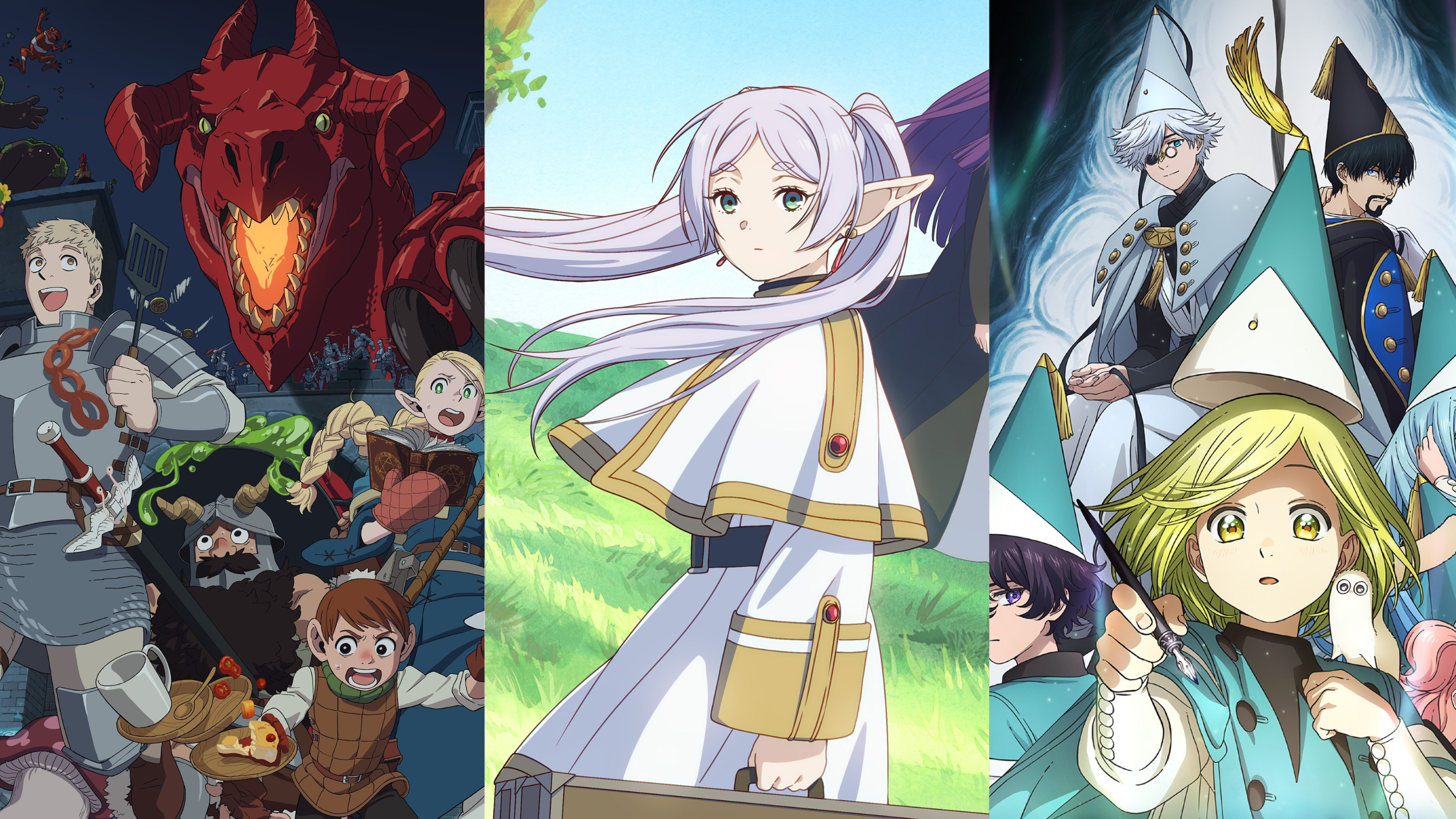
- Sci-fi/Fantasy: the world is built up with fantasy elements like magic, super power, mysterious creatures. Where the world logic runs against normal life rules in reality. Examples: Witch Hat Atelier, Frieren: Beyond the Journey,...
- Romance/Drama: the story focuses on human feelings, character development in the romantic sides. The struggles they often have in love relationships. Examples: Fruits Basket, My Dress-up Darling, The Fragrant Flower Blooms with Dignity.

- Comedy: humorous stories that are written to entertain the audience can intertwine with sarcasm. Examples: Grand Blue, Gintama, Monthly Girls’ Nozaki-kun...

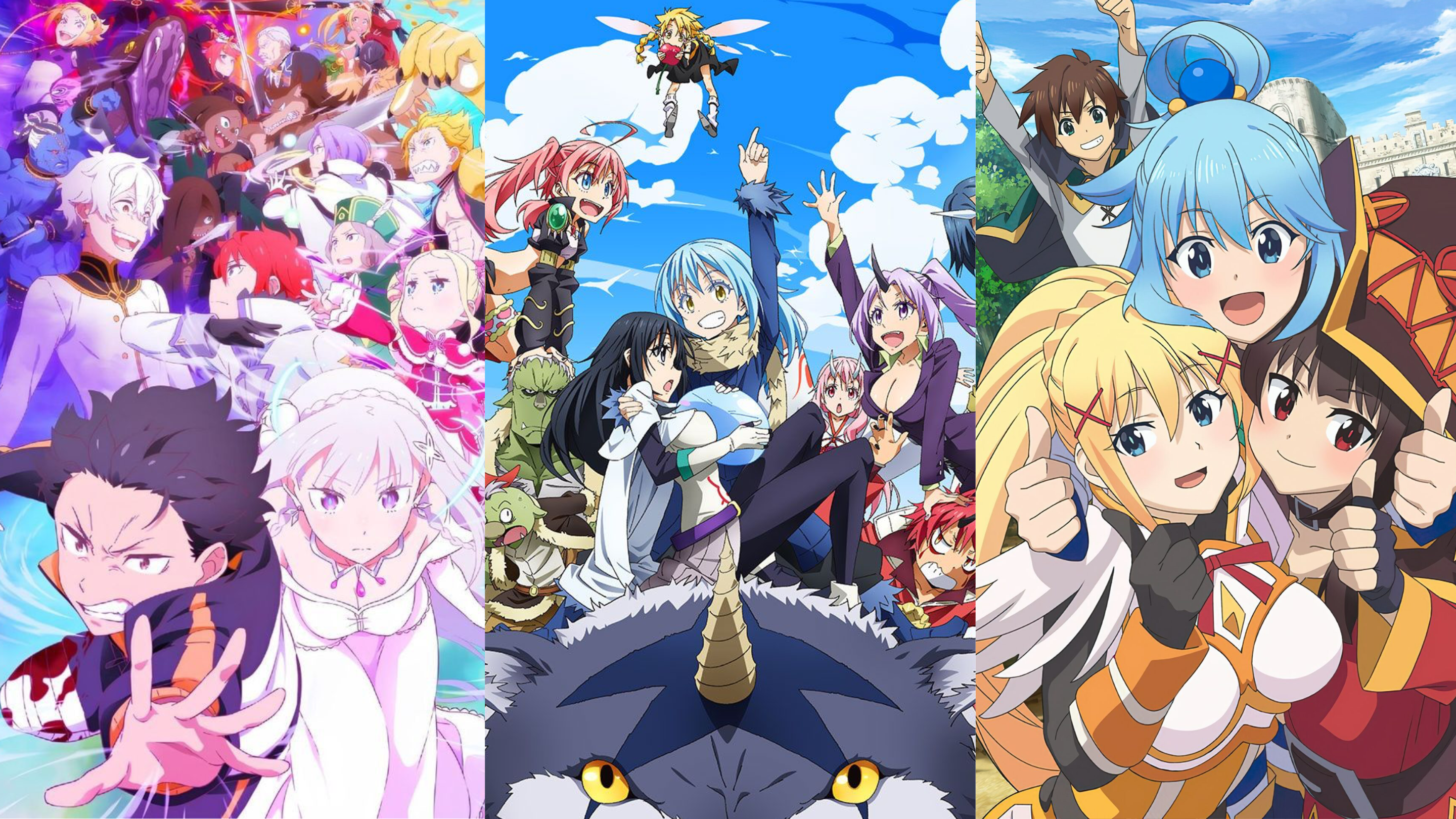
- Isekai: The protagonist reincarnates from their real world to another world, which usually has a fantasy vibe and supernatural powers. Examples: Re:Zero, That Time I Got Reincarnated as a Slime, Konosuba,...
- Mecha: Stories centered on giant combat machines controlled by people, often weaving in bigger themes like war, technology, or moral boundaries. Examples: Darling in the Franxx, Neon Genesis Evangelion, Eighty Six,...
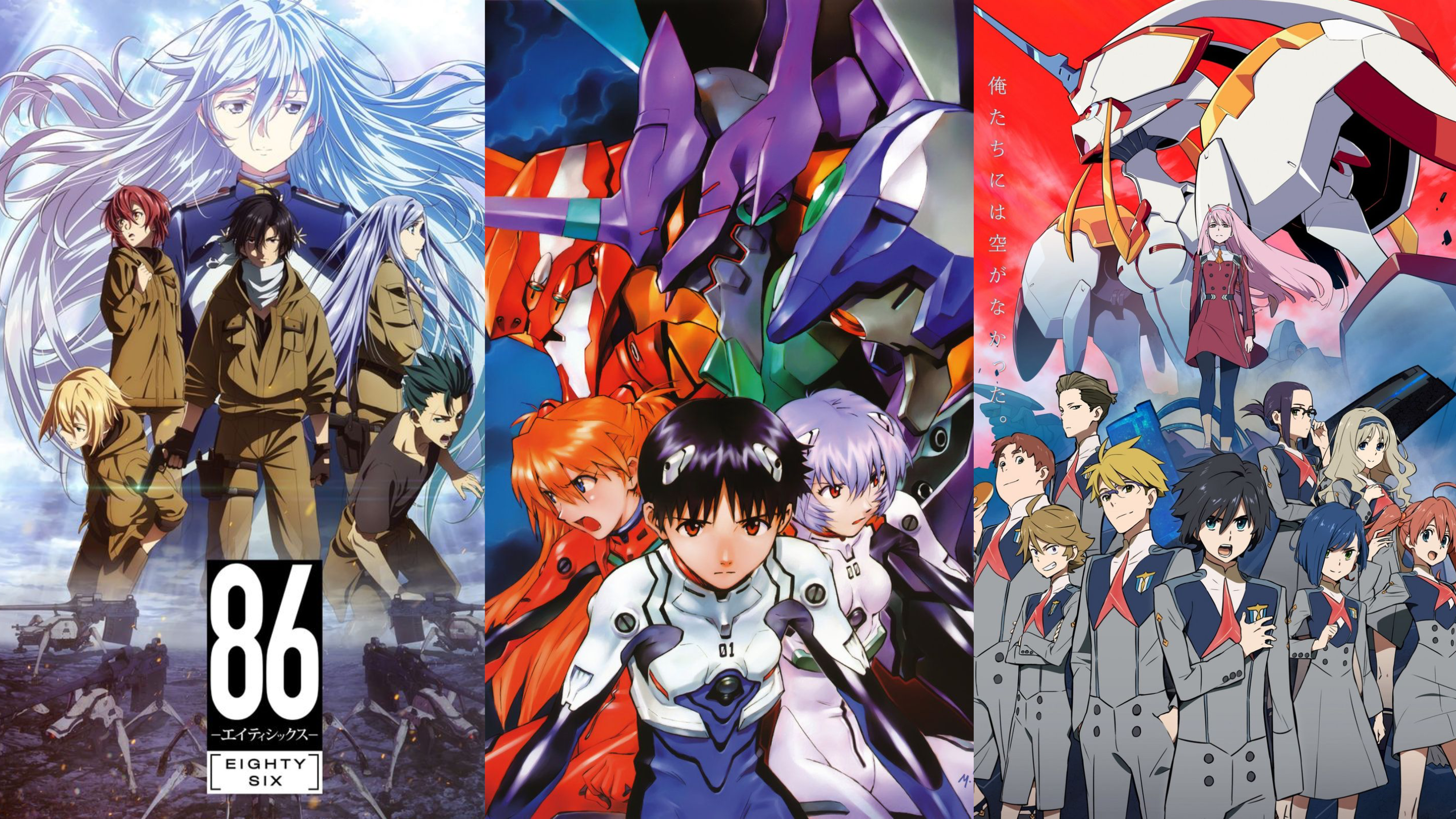
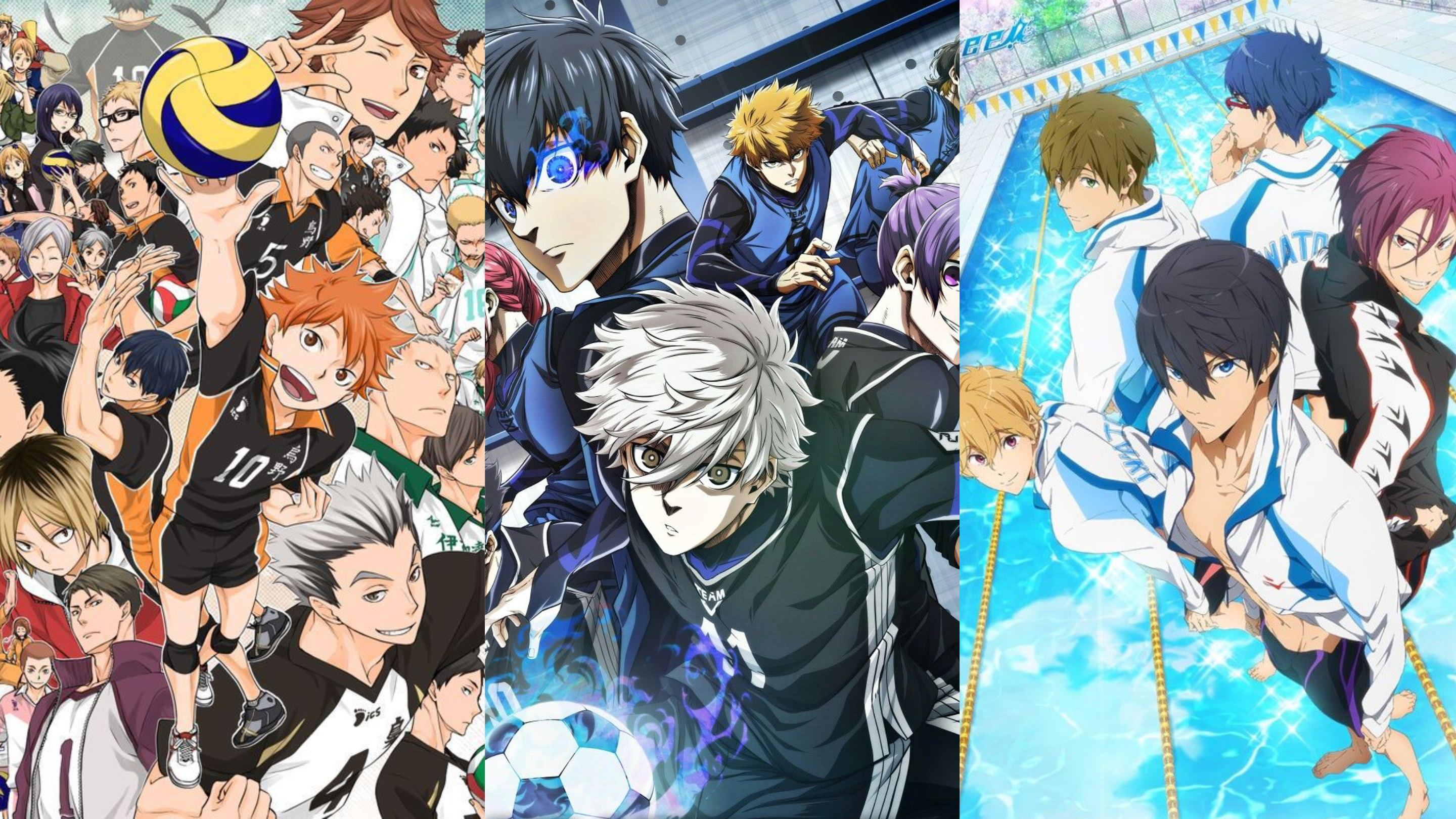
- Sport: Like the name, sports is the centre and the story developed about friendship, team spirit, personal passion to strive for the win goal. Examples: Haikyuu!!, Blue Lock, Free! Iwatobi Swim Club,...
How are Demographic Labels and Genres Intertwined?
Important things to remember is that: a genre doesn’t belong to only one demographic. The action genre can appear in Shonen and Seinen shelf, but with different storytelling. Action stories in shonen tend to have an optimistic tone, friendship/companionship, and maturity in character development. Meanwhile, with the same genre Seinen dug deeper into the character's complex psychology, moral ambiguity and more graphic violence.
In other words, the demographic shapes how the story is told, while the genre defines what the story is about. This intersection is what makes the stories even more interesting rather than just a label tag of an anime.
Who's Actually Reading Shonen Manga?
Here's where things get interesting. If Shonen is supposedly built for teenage boys, you'd expect the readership to reflect that pretty cleanly. But Shueisha's own Media Guide - the internal document the publisher shares with advertisers - tells a different story. Weekly Shonen Jump's age statistic shows that readers 25 and older make up more than a quarter of its total audience, alongside a sizable chunk in their late teens and early twenties. That's not a magazine read exclusively by kids, it's one where adults make up a huge share of the readership, some of whom likely grew up with the magazine and simply never left.
The gender side tells an even more surprising story. Series like My Hero Academia, Demon Slayer, and One Piece are all firmly Shonen, but they have built female fanbases large enough that fan communities, merchandise lines and even convention panels increasingly cater to them, despite the "boys' magazine" label stamped on the original demographic. This isn't an isolated fluke either. In the industry, it's common enough to have its own term: "periphery demographic" - when a work ends up resonating far beyond the audience it was originally built for.
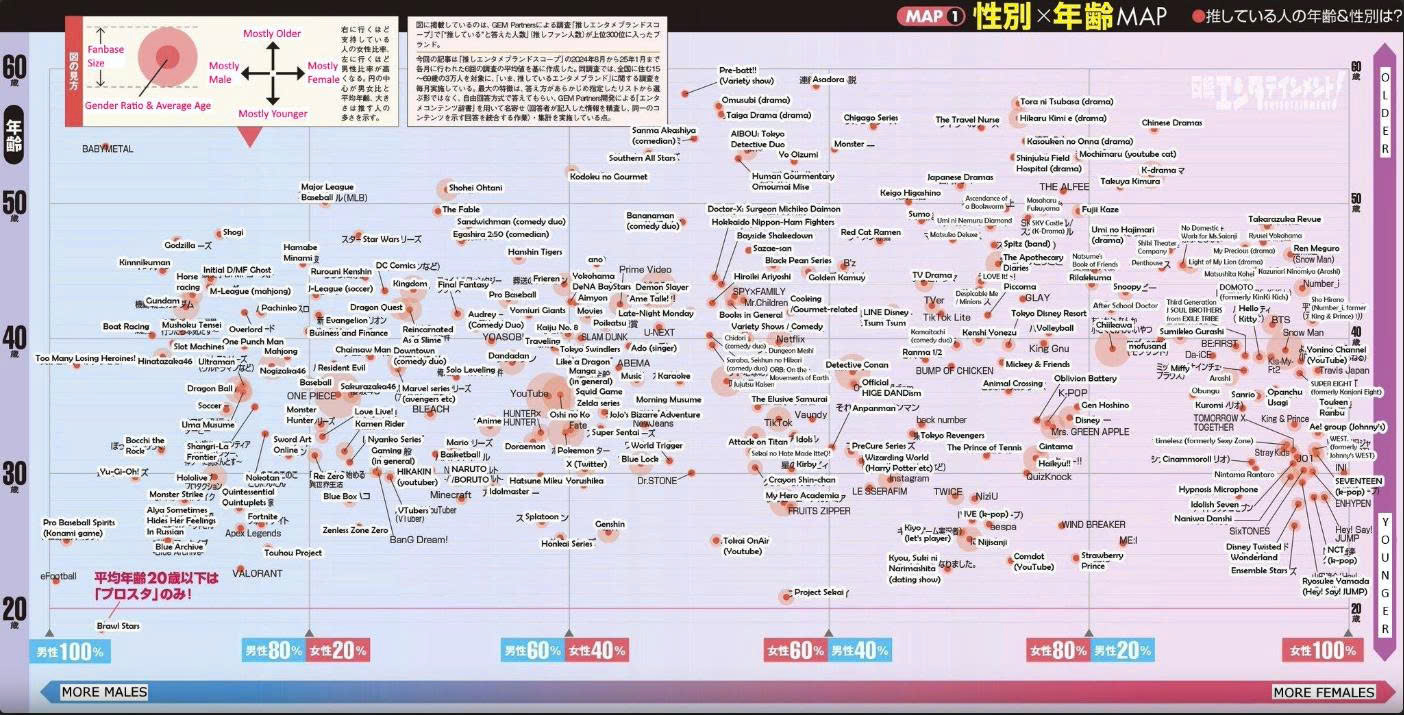
The reverse happens too. Plenty of series technically filed under Kodomo (contents for children) like Pokémon or Doraemon have adult fanbases who never grew out of them. People watch for nostalgia, craft appreciation, or simply because good storytelling doesn't have an age limit.
What this really tells us is that demographic labels describe intent at publication, not outcome at consumption. A magazine's editorial team makes a bet about who they're building for, but once a story is good enough, audiences rarely respect the boundary that was drawn for them.
Which Anime Genres Are Global Fans Love Most?
Zoom out to the global stage when two different questions start to matter: “What's popular right now?” versus “Which genre is rising fast?”
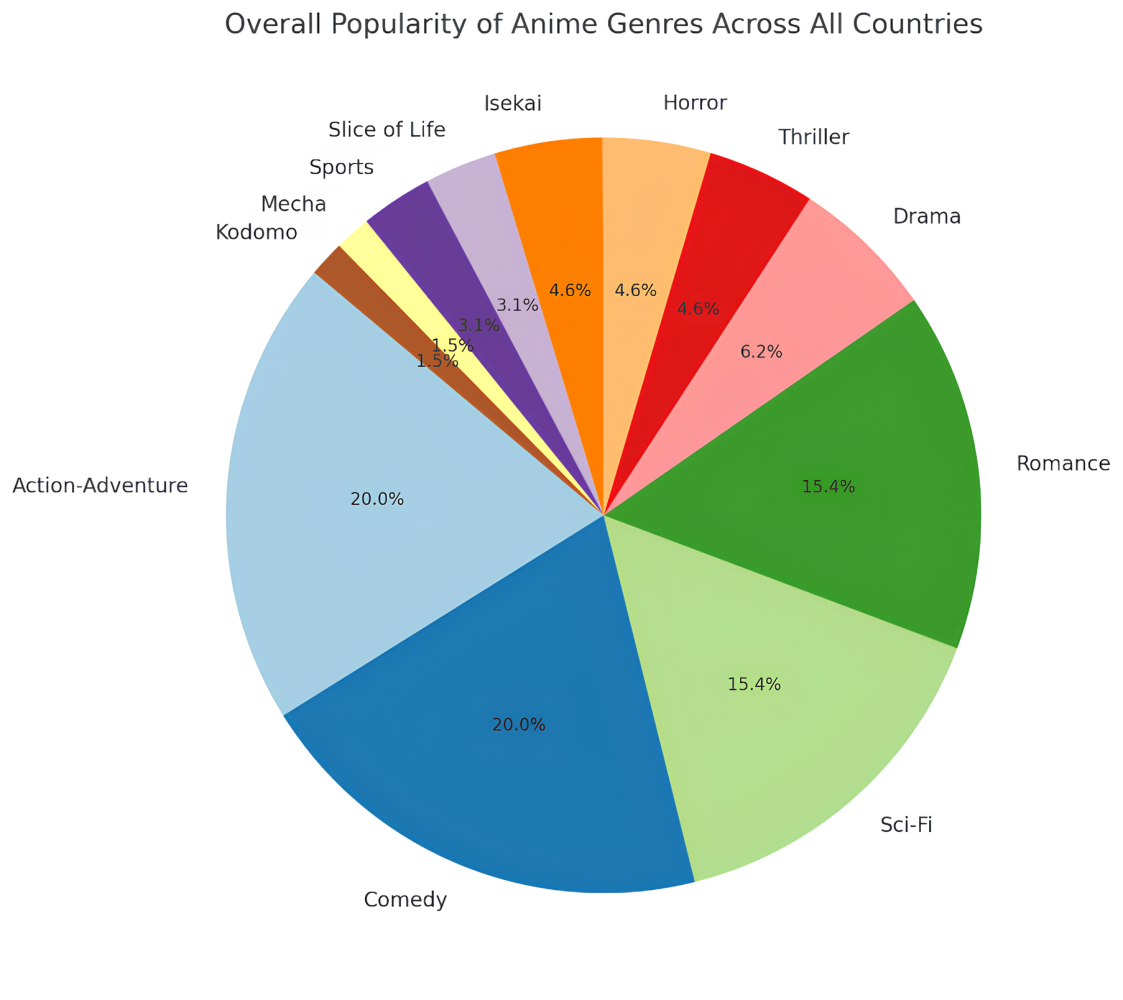
Action and Adventure currently dominate by a wide margin, it's the anime genre with the largest global viewership share, largely because it travels well across cultures. A well-animated fight scene doesn't need translation to land emotionally.
But if you look at growth trends rather than current share, Sci-Fi and Fantasy are climbing the fastest. International audiences increasingly gravitate toward richly built fictional worlds - a trend that lines up with the Isekai boom and the rising appetite for high-fantasy storytelling across streaming platforms globally, not just in Japan.
This split matters for anyone thinking about anime strategically, whether that's a studio, a streaming platform, or a brand looking to enter the space. Chasing what's popular today and chasing what's about to be popular are two very different bets.
What This Means From A Studio's View
Here's where audience data stops being trivia and starts shaping actual production decisions.
Genre isn't just a storytelling choice, it's a resource allocation choice. An action-heavy Shonen series demands a much higher volume of key animation work: more original poses per second of footage, more effects work for impact frames, more coordination between animation directors to keep fight choreography readable at speed. By contrast, a Seinen drama or a Josei romance often shifts that investment elsewhere. They have fewer large-scale movements but far more attention paid to subtle facial expression, held compositions and pacing that lets emotional beats breathe.
Neither approach is "cheaper" in a simple sense, the cost just moves to a different part of the pipeline. A quiet character drama can be just as labor-intensive as a fight scene; the labor is just invisible in a different way, spent on nuance instead of spectacle.
At Otsu Animation, this shows up early in every project, often before the animation production. Understanding who a piece is really being made for shapes how we brief layout artists, how we plan key animation budgets across episodes or shots, and where we choose to spend extra passes on polish. A branded MV aimed at a broad, casual audience gets built differently than a trailer meant to hook a dedicated fanbase already familiar with the source material, even if both technically fall under the same genre label on paper.
That's the part audience data alone can't tell you: genre and demographic don't just describe a story. They quietly shape the entire production plan behind it.
How many anime genres are there?
There’s no official numbers, since genres often overlap and new subgenres emerge constantly. But at core, top famous genres are Action/Adventure, Sci-Fi/Fantasy, Romance/Drama, Comedy, Isekai, Mecha and Sport.
What's the most-watched anime genre?
Action and Adventure currently holds the largest global viewership share, though Sci-Fi and Fantasy is the fastest-growing category in recent years.
Which genre is the most expensive to produce?
Action-heavy series usually need more animation work because fight scenes require a lot of key animation and effects in every episode. However, studios rarely share their budgets, so most numbers online are only estimates.
Which demographic watches the most anime?
It depends on the region and platform, but men in their late teens to thirties are still the biggest anime audience. However, female viewership has grown a lot, especially for popular Shonen and Isekai series with broad appeal.
Is Shounen only for boys?
Not really. Shounen is originally targeted at teenage boys but every gender can consume it if it matches their preferences.